




A new Louis Theroux documentary on Netflix exposes the growing network of online influencers pushing sexism, misogyny, and a narrow vision of masculinity on boys and young men. Combined with last year's hit series Adolescence, it is a wake-up call for parents. The good news: there is a lot we can do. This week, I round up our most relevant blogs and podcast episodes from recent months, covering everything from the "interrupter" technique to boys' mental health, phones in schools, online sports betting, pornography, and the manosphere's exploitation of boys' loneliness. The research is clear that parents who show up with curiosity, honesty, and consistency have more influence than they realize.
This past week, a documentary by Louis Theroux called Inside the Manosphere landed on Netflix. In it, Theroux embeds himself with some of the most extreme figures in a growing online network of influencers who sell young men a narrow, aggressive vision of masculinity, one built on dominance, wealth, sexual conquest, and control.
The result is a pipeline that feeds sexism and misogyny to boys and young men on a massive scale, and it is both eye-opening and deeply unsettling, especially for those of us raising kids.
I would recommend watching it yourself first. It is an unfiltered look at what these influencers are doing and saying, and it contains some scenes and language that are genuinely disturbing.
Once you have seen it, you will be in a much better position to decide whether it is appropriate to watch with your teen, and either way, to have a more informed conversation about what is out there.
The documentary arrives at a moment when many parents are already thinking about these issues. Last year, Netflix's Adolescence became one of the platform's most-watched limited series, telling a fictional story but with many real-life elements about a boy whose descent into online misogyny and isolation ends in tragedy.
Together, these two pieces of media have pushed an important conversation into the mainstream, one about what our boys are being shown and absorbing online and what we as families can do about it.
Here is what I want you to know: there is a lot we can do. This is territory I have been thinking about, writing about, and talking about with experts for a long time now. The research is clear that parents and caring adults have enormous influence, often more than we realize, especially when we show up with curiosity, honesty, and consistency.
So today, rather than start from scratch, I want to point you to some of the most relevant blogs and podcast episodes we have published in recent times. Whether you have watched the Theroux documentary or not, these resources will give you real, practical tools for the conversations that matter most.
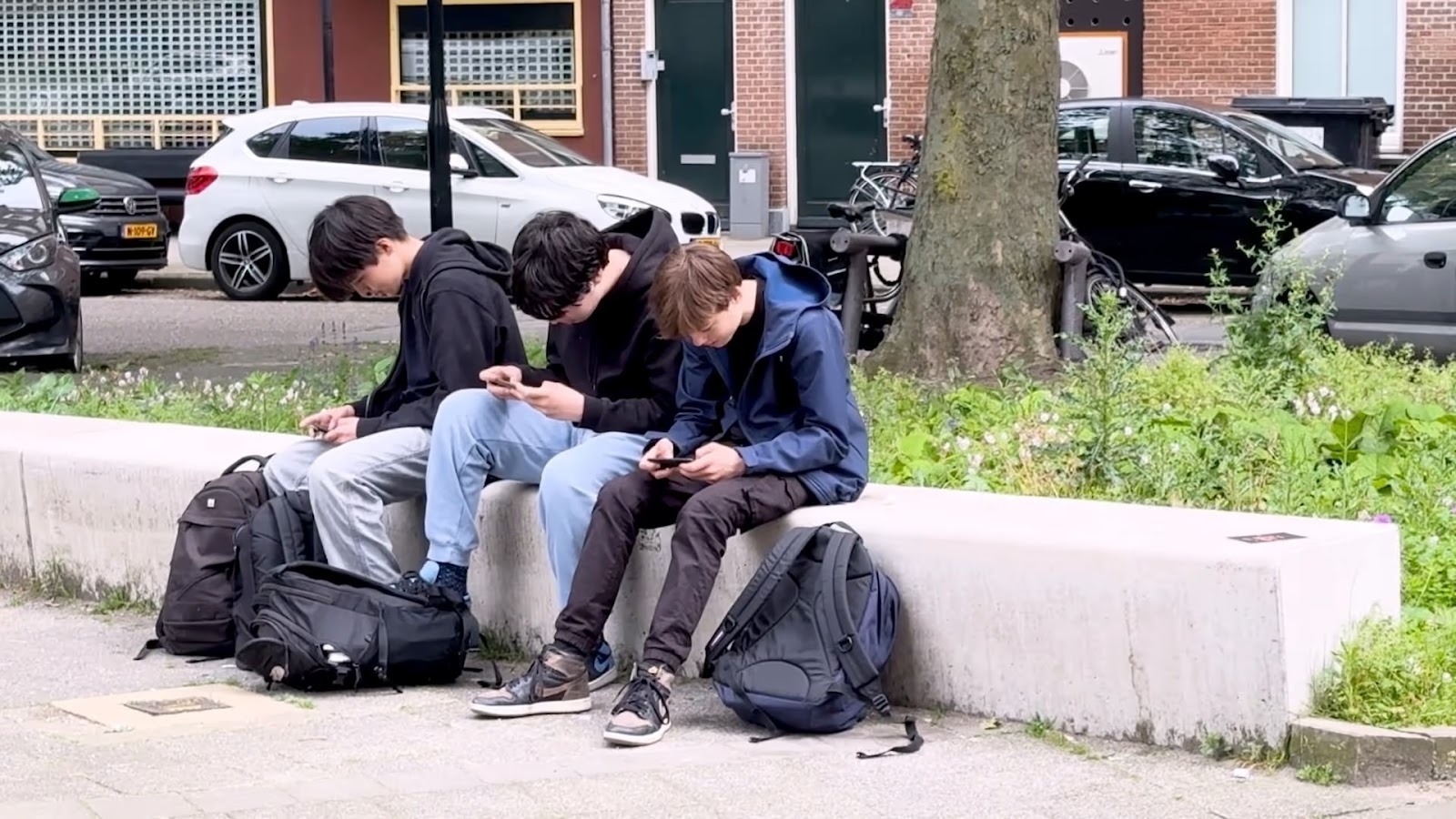
From toxic corners of the internet to fitness influencers to the aggressive culture of online gaming, boys are handed a narrow script for masculinity every day. But they do not have to accept it.
In this blog, I highlight insights from educator Christopher Pepper and journalist Joanna Schroeder, co-authors of the book Talk To Your Boys.
They offer practical strategies parents can use right away, including the idea of teaching boys to be "interrupters," people who take small, brave actions to halt harm when they see it. Even a quick "that is not cool" in a group chat can make a real difference.
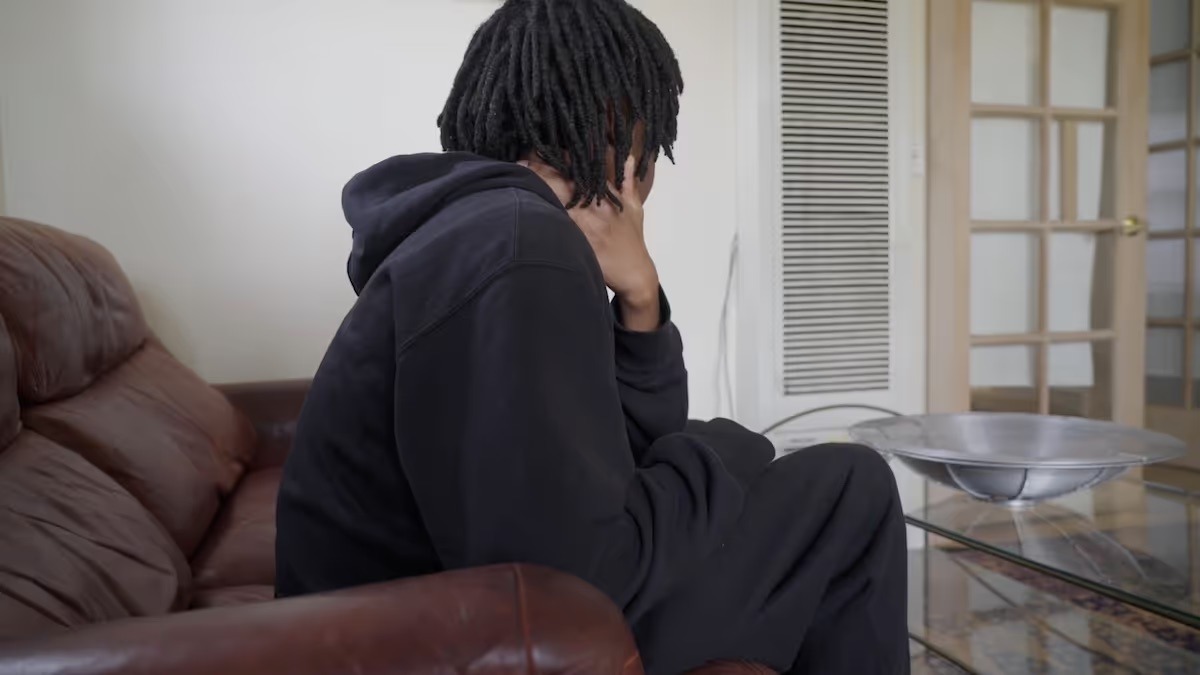
One thing the Theroux documentary makes painfully clear is that the manosphere preys on boys who are struggling. And the data tells us more boys are struggling than many people realize.
In this blog, I highlight a conversation with psychologist Jean Twenge about the link between heavy gaming, screen time, and depression in boys. One finding that still stops me in my tracks: clinical-level depression has doubled for boys.
The good news is that understanding the problem is the first step toward addressing it, and the research gives us a much clearer picture of where the risks are and what to watch for.


Learn more about showing our movies in your school or community!
Join Screenagers filmmaker Delaney Ruston MD for our latest Podcast

Learn more about our Screen-Free Sleep campaign at the website!
Our movie made for parents and educators of younger kids
Learn more about showing our movies in your school or community!
Register your interest in bringing our new movie to your school or community
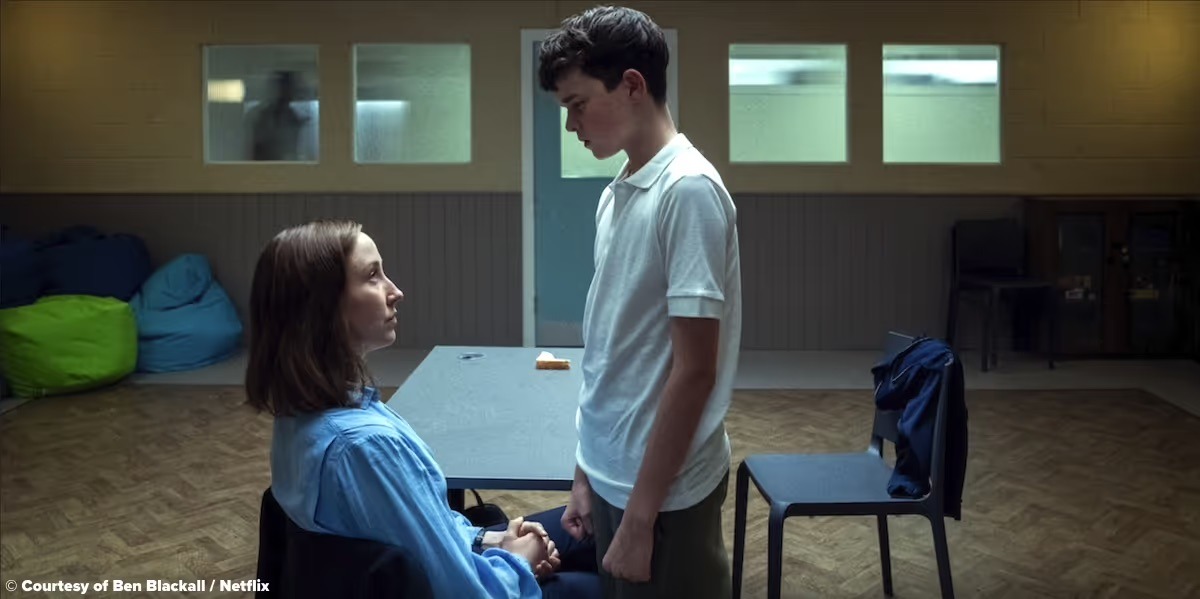
When Adolescence came out, I heard from so many parents, some who watched it in one sitting and others who could not bring themselves to watch but wanted to understand.
I wrote this blog to unpack the real issues the series raises: tech-free bedrooms, the pressure boys face around body image and masculinity, online bullying and shame, and the slow, quiet changes in mood and behavior that are easy to dismiss as "just teen stuff."
The takeaway is not to panic. It is those small, steady actions, like keeping devices out of bedrooms and staying curious about what our kids are experiencing, that add up to real protection.
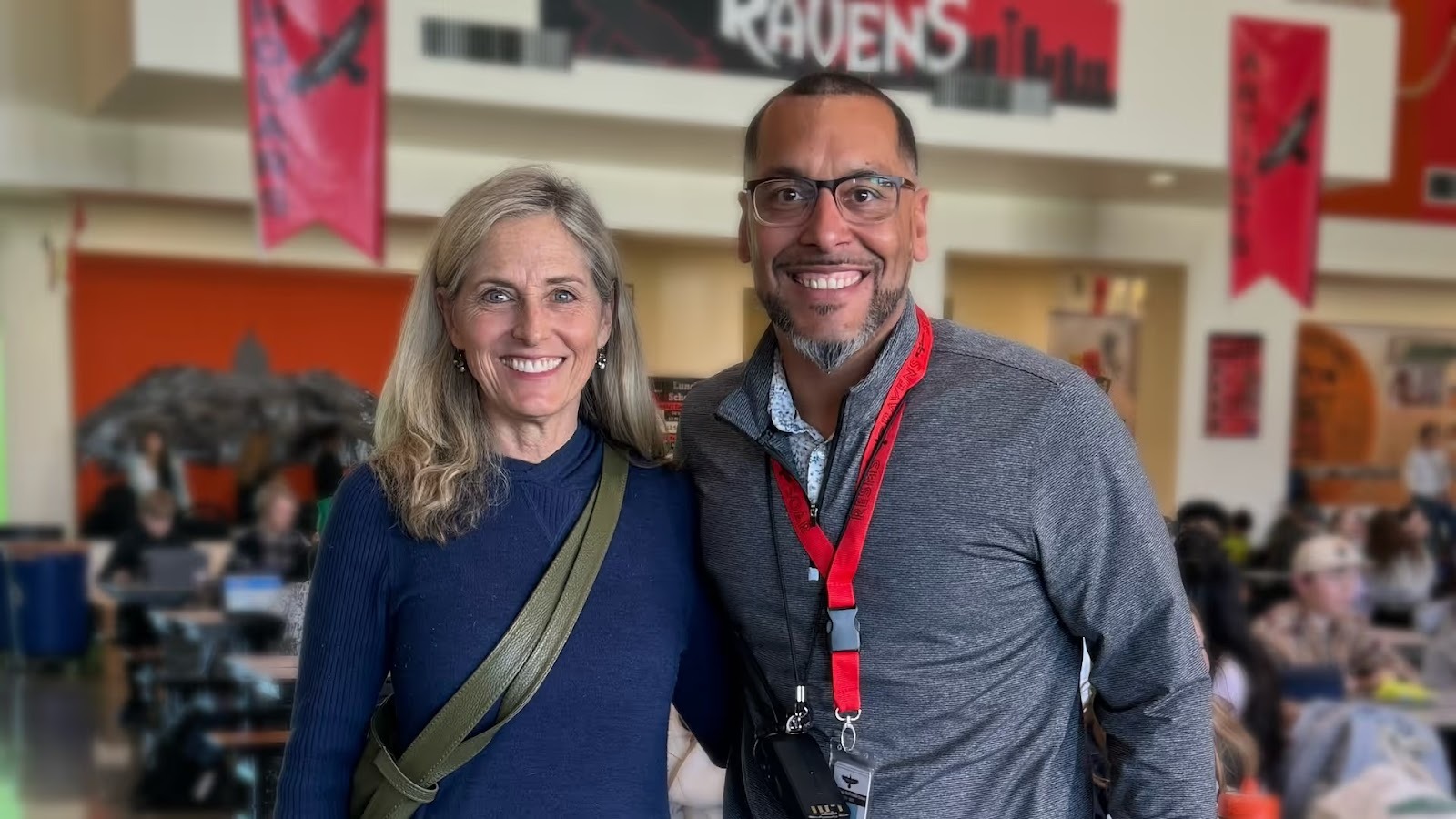
The manosphere does not exist in a vacuum. The cruelty and power dynamics it promotes show up in hallways and lunchrooms, too.
In this blog, I talk with a middle school principal who went through the difficult process of making his school phone-free after seeing how devices fueled bullying, humiliation, and exclusion among students.
The results have been remarkable. He now has the time and capacity to actually connect with students instead of constantly managing phone-related conflicts. It is a hopeful reminder that when communities take action, things really do get better.
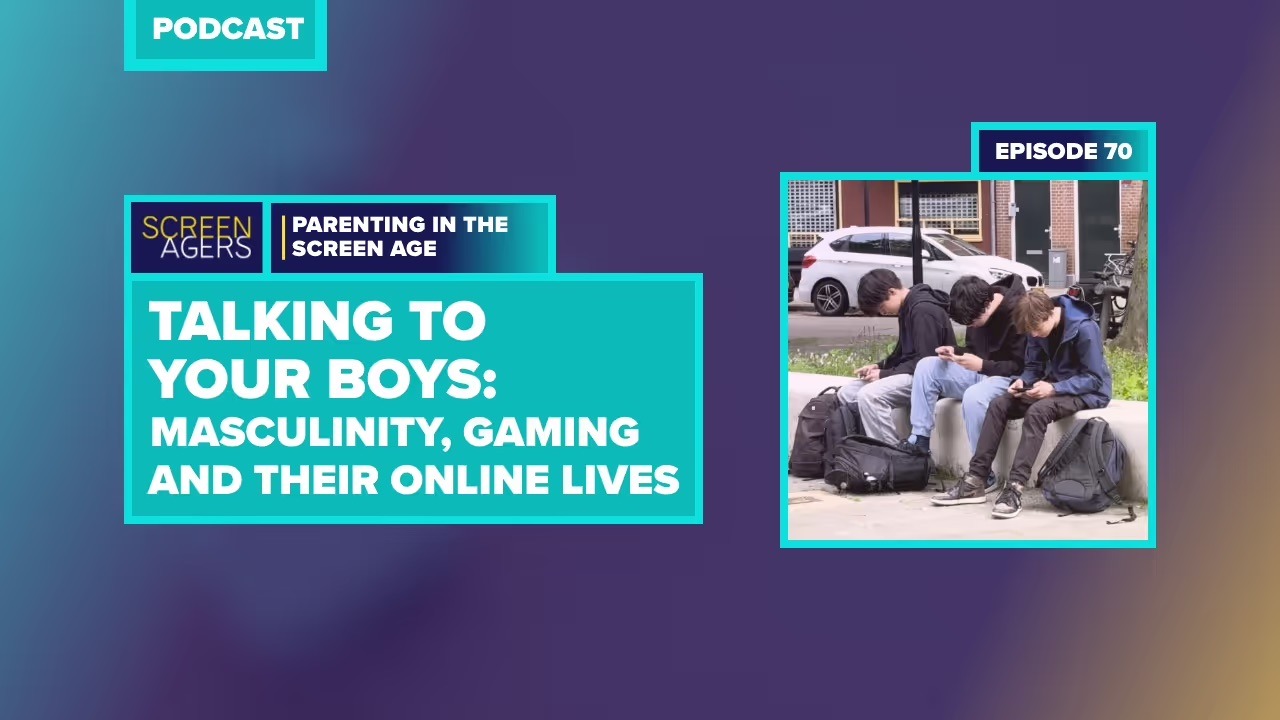
This is Part 1 of my conversation with Christopher Pepper and Joanna Schroeder, and it is one of my favorites.
We dig into how boys absorb messages about masculinity through social media, violent imagery on TV and movies, and gaming. We share ideas on how parents can open up honest conversations about what boys are seeing and hearing online, and why clearly stating our own values, not as lectures but as lived guidance, matters more than we think.
One thing that came through loud and clear: boys actually want to hear from us. They are far more open to these conversations than we often give them credit for.
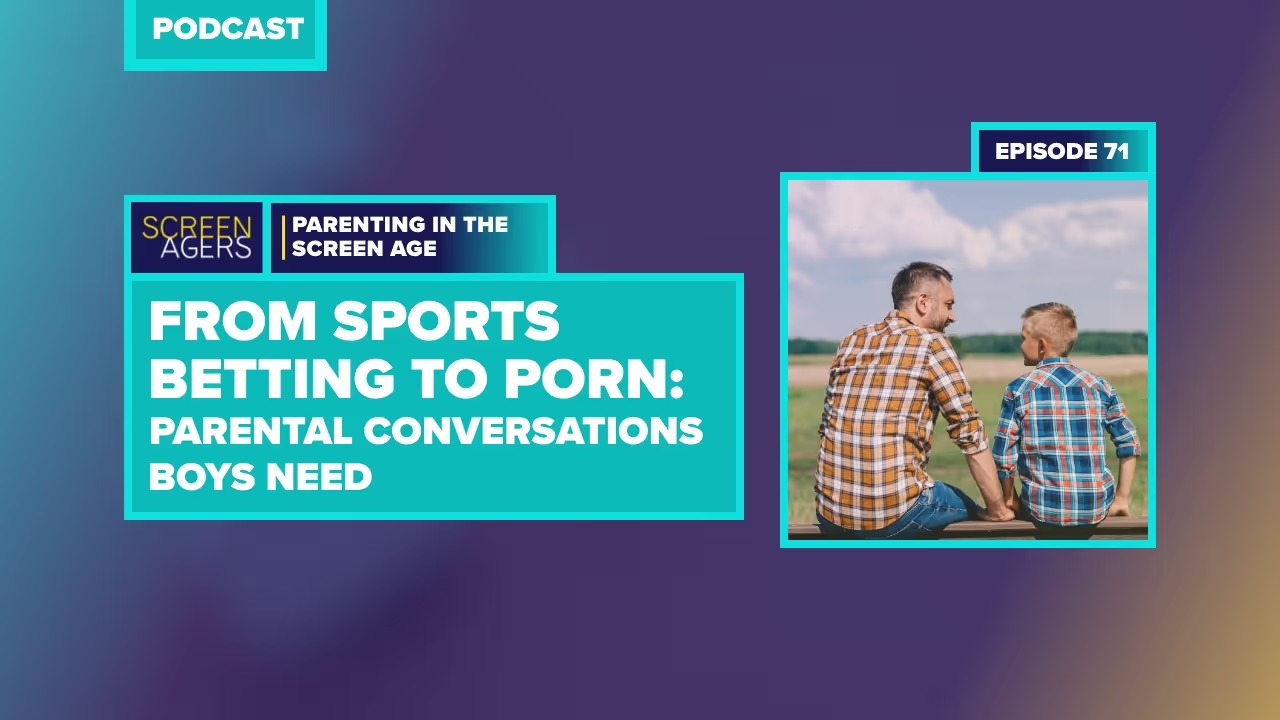
This is Part 2 of the same conversation, and it gets into the topics many parents find hardest to bring up: online sports betting, pornography, and how algorithms target boys with content about money, women, fitness, and power.
These are the exact pipelines the Theroux documentary exposes at the influencer level.
Christopher and Joanna offer thoughtful, shame-free ways to talk about all of it, and their approach is a reminder that these conversations do not have to be perfect. They just have to happen.
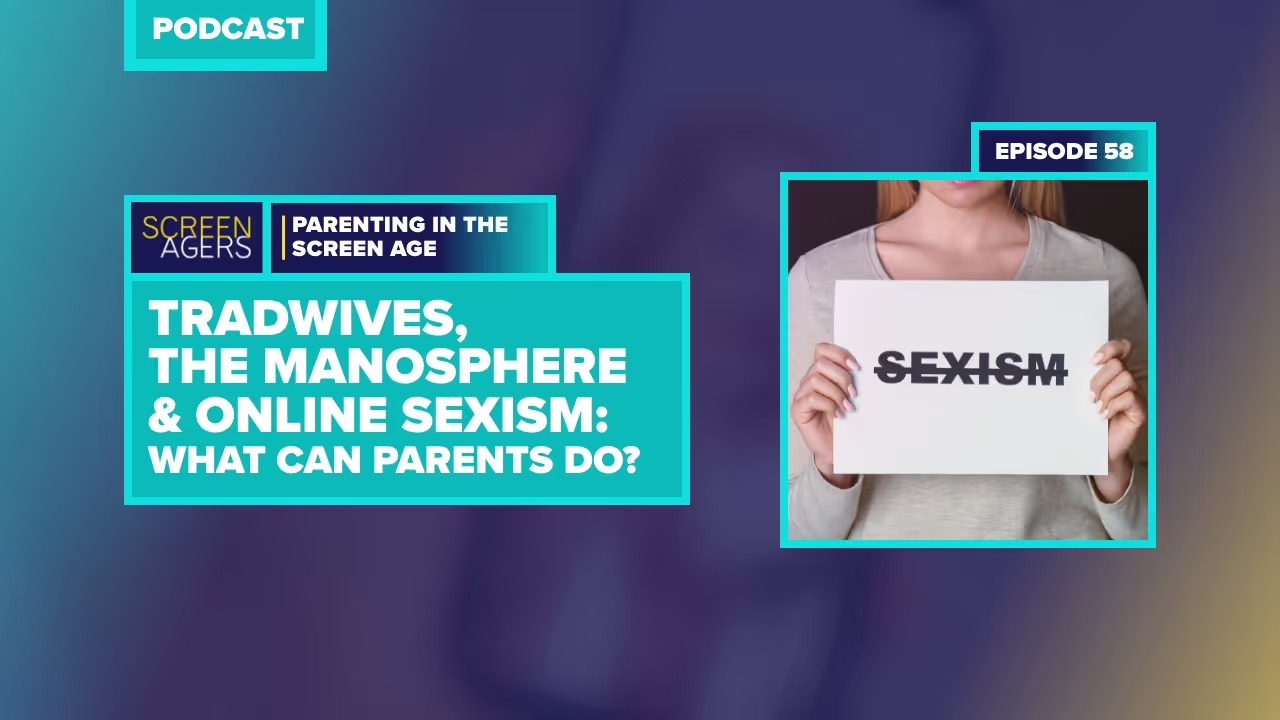
In this episode, I talk with clinical psychologist Joanne Finkelstein about the manosphere, tradwife culture, and how sexism online affects both girls and boys.
She helps parents see the bigger picture and offers tools for raising kids who can think critically about the gender messages coming at them from every direction.
One encouraging finding from the research: when boys are made aware of how these systems work, sexist attitudes genuinely diminish. Awareness really does make a difference.
I know this is heavy subject matter, and it can feel overwhelming when we see how much is being thrown at our kids. But I have been doing this work for years now, and what I keep coming back to is this: connection is the most powerful thing we have.
A parent who listens without lecturing, a home where kids feel safe to talk about what they are seeing online, a family that keeps showing up with curiosity and care. That is what stands between our kids and the worst of what the internet has to offer. And that is something every family can build, starting today.
Learn more about showing our movies in your school or community!
Join Screenagers filmmaker Delaney Ruston MD for our latest Podcast
Learn more about our Screen-Free Sleep campaign at the website!
Our movie made for parents and educators of younger kids
Join Screenagers filmmaker Delaney Ruston MD for our latest Podcast
Register your interest in bringing our new movie to your school or community
Subscribe to our YouTube Channel! We add new videos regularly and you'll find over 100 videos covering parenting advice, guidance, podcasts, movie clips and more. Here's our most recent:

As we’re about to celebrate 10 years of Screenagers, we want to hear what’s been most helpful and what you’d like to see next.
Please click here to share your thoughts with us in our community survey. It only takes 5–10 minutes, and everyone who completes it will be entered to win one of five $50 Amazon vouchers.
This past week, a documentary by Louis Theroux called Inside the Manosphere landed on Netflix. In it, Theroux embeds himself with some of the most extreme figures in a growing online network of influencers who sell young men a narrow, aggressive vision of masculinity, one built on dominance, wealth, sexual conquest, and control.
The result is a pipeline that feeds sexism and misogyny to boys and young men on a massive scale, and it is both eye-opening and deeply unsettling, especially for those of us raising kids.
I would recommend watching it yourself first. It is an unfiltered look at what these influencers are doing and saying, and it contains some scenes and language that are genuinely disturbing.
Once you have seen it, you will be in a much better position to decide whether it is appropriate to watch with your teen, and either way, to have a more informed conversation about what is out there.
The documentary arrives at a moment when many parents are already thinking about these issues. Last year, Netflix's Adolescence became one of the platform's most-watched limited series, telling a fictional story but with many real-life elements about a boy whose descent into online misogyny and isolation ends in tragedy.
Together, these two pieces of media have pushed an important conversation into the mainstream, one about what our boys are being shown and absorbing online and what we as families can do about it.
Here is what I want you to know: there is a lot we can do. This is territory I have been thinking about, writing about, and talking about with experts for a long time now. The research is clear that parents and caring adults have enormous influence, often more than we realize, especially when we show up with curiosity, honesty, and consistency.
So today, rather than start from scratch, I want to point you to some of the most relevant blogs and podcast episodes we have published in recent times. Whether you have watched the Theroux documentary or not, these resources will give you real, practical tools for the conversations that matter most.
From toxic corners of the internet to fitness influencers to the aggressive culture of online gaming, boys are handed a narrow script for masculinity every day. But they do not have to accept it.
In this blog, I highlight insights from educator Christopher Pepper and journalist Joanna Schroeder, co-authors of the book Talk To Your Boys.
They offer practical strategies parents can use right away, including the idea of teaching boys to be "interrupters," people who take small, brave actions to halt harm when they see it. Even a quick "that is not cool" in a group chat can make a real difference.
One thing the Theroux documentary makes painfully clear is that the manosphere preys on boys who are struggling. And the data tells us more boys are struggling than many people realize.
In this blog, I highlight a conversation with psychologist Jean Twenge about the link between heavy gaming, screen time, and depression in boys. One finding that still stops me in my tracks: clinical-level depression has doubled for boys.
The good news is that understanding the problem is the first step toward addressing it, and the research gives us a much clearer picture of where the risks are and what to watch for.
When Adolescence came out, I heard from so many parents, some who watched it in one sitting and others who could not bring themselves to watch but wanted to understand.
I wrote this blog to unpack the real issues the series raises: tech-free bedrooms, the pressure boys face around body image and masculinity, online bullying and shame, and the slow, quiet changes in mood and behavior that are easy to dismiss as "just teen stuff."
The takeaway is not to panic. It is those small, steady actions, like keeping devices out of bedrooms and staying curious about what our kids are experiencing, that add up to real protection.
The manosphere does not exist in a vacuum. The cruelty and power dynamics it promotes show up in hallways and lunchrooms, too.
In this blog, I talk with a middle school principal who went through the difficult process of making his school phone-free after seeing how devices fueled bullying, humiliation, and exclusion among students.
The results have been remarkable. He now has the time and capacity to actually connect with students instead of constantly managing phone-related conflicts. It is a hopeful reminder that when communities take action, things really do get better.
This is Part 1 of my conversation with Christopher Pepper and Joanna Schroeder, and it is one of my favorites.
We dig into how boys absorb messages about masculinity through social media, violent imagery on TV and movies, and gaming. We share ideas on how parents can open up honest conversations about what boys are seeing and hearing online, and why clearly stating our own values, not as lectures but as lived guidance, matters more than we think.
One thing that came through loud and clear: boys actually want to hear from us. They are far more open to these conversations than we often give them credit for.
This is Part 2 of the same conversation, and it gets into the topics many parents find hardest to bring up: online sports betting, pornography, and how algorithms target boys with content about money, women, fitness, and power.
These are the exact pipelines the Theroux documentary exposes at the influencer level.
Christopher and Joanna offer thoughtful, shame-free ways to talk about all of it, and their approach is a reminder that these conversations do not have to be perfect. They just have to happen.
In this episode, I talk with clinical psychologist Joanne Finkelstein about the manosphere, tradwife culture, and how sexism online affects both girls and boys.
She helps parents see the bigger picture and offers tools for raising kids who can think critically about the gender messages coming at them from every direction.
One encouraging finding from the research: when boys are made aware of how these systems work, sexist attitudes genuinely diminish. Awareness really does make a difference.
I know this is heavy subject matter, and it can feel overwhelming when we see how much is being thrown at our kids. But I have been doing this work for years now, and what I keep coming back to is this: connection is the most powerful thing we have.
A parent who listens without lecturing, a home where kids feel safe to talk about what they are seeing online, a family that keeps showing up with curiosity and care. That is what stands between our kids and the worst of what the internet has to offer. And that is something every family can build, starting today.
Subscribe to our YouTube Channel! We add new videos regularly and you'll find over 100 videos covering parenting advice, guidance, podcasts, movie clips and more. Here's our most recent:
Sign up here to receive the weekly Tech Talk Tuesdays newsletter from Screenagers filmmaker Delaney Ruston MD.
We respect your privacy.
This past week, a documentary by Louis Theroux called Inside the Manosphere landed on Netflix. In it, Theroux embeds himself with some of the most extreme figures in a growing online network of influencers who sell young men a narrow, aggressive vision of masculinity, one built on dominance, wealth, sexual conquest, and control.
The result is a pipeline that feeds sexism and misogyny to boys and young men on a massive scale, and it is both eye-opening and deeply unsettling, especially for those of us raising kids.
I would recommend watching it yourself first. It is an unfiltered look at what these influencers are doing and saying, and it contains some scenes and language that are genuinely disturbing.
Once you have seen it, you will be in a much better position to decide whether it is appropriate to watch with your teen, and either way, to have a more informed conversation about what is out there.
The documentary arrives at a moment when many parents are already thinking about these issues. Last year, Netflix's Adolescence became one of the platform's most-watched limited series, telling a fictional story but with many real-life elements about a boy whose descent into online misogyny and isolation ends in tragedy.
Together, these two pieces of media have pushed an important conversation into the mainstream, one about what our boys are being shown and absorbing online and what we as families can do about it.
Here is what I want you to know: there is a lot we can do. This is territory I have been thinking about, writing about, and talking about with experts for a long time now. The research is clear that parents and caring adults have enormous influence, often more than we realize, especially when we show up with curiosity, honesty, and consistency.
So today, rather than start from scratch, I want to point you to some of the most relevant blogs and podcast episodes we have published in recent times. Whether you have watched the Theroux documentary or not, these resources will give you real, practical tools for the conversations that matter most.
From toxic corners of the internet to fitness influencers to the aggressive culture of online gaming, boys are handed a narrow script for masculinity every day. But they do not have to accept it.
In this blog, I highlight insights from educator Christopher Pepper and journalist Joanna Schroeder, co-authors of the book Talk To Your Boys.
They offer practical strategies parents can use right away, including the idea of teaching boys to be "interrupters," people who take small, brave actions to halt harm when they see it. Even a quick "that is not cool" in a group chat can make a real difference.
One thing the Theroux documentary makes painfully clear is that the manosphere preys on boys who are struggling. And the data tells us more boys are struggling than many people realize.
In this blog, I highlight a conversation with psychologist Jean Twenge about the link between heavy gaming, screen time, and depression in boys. One finding that still stops me in my tracks: clinical-level depression has doubled for boys.
The good news is that understanding the problem is the first step toward addressing it, and the research gives us a much clearer picture of where the risks are and what to watch for.
I've been noticing the ways I can be rude, in person and on my phone. This week I share two recent examples of my own, plus why correcting myself out loud strengthens self-awareness. The talk that follows isn't about your kid. It's about you going first.
READ MORE >
An Oakland library has started lending out sports equipment and games alongside books, so families can borrow gear to use at nearby parks. It is a reminder that borrowing and lending between families is a simple way to fill a summer afternoon without a screen, while quietly modelling generosity and humility. We are out of practice at asking, but the person on the other end is usually glad to help.
READ MORE >
E-readers are convenient, but there are three reasons to lean toward paper books this summer. First, e-readers are screens, and the pull of everything else you could do on one makes it harder to stay immersed. Second, a large meta-analysis found people understand and remember slightly better on paper, especially with longer texts. Third, easy access to endless book samples makes it too tempting to jump ship rather than work through the slower parts, since reading, unlike TikTok, is about delayed gratification.
READ MORE >for more like this, DR. DELANEY RUSTON'S NEW BOOK, PARENTING IN THE SCREEN AGE, IS THE DEFINITIVE GUIDE FOR TODAY’S PARENTS. WITH INSIGHTS ON SCREEN TIME FROM RESEARCHERS, INPUT FROM KIDS & TEENS, THIS BOOK IS PACKED WITH SOLUTIONS FOR HOW TO START AND SUSTAIN PRODUCTIVE FAMILY TALKS ABOUT TECHNOLOGY AND IT’S IMPACT ON OUR MENTAL WELLBEING.