


When kids struggle with big emotions, many parents reach for a screen to keep the peace — but this can get in the way of children developing real coping skills. Drawing on research from Dr. Jenny Radesky, this post shares two practical strategies: using the Zones of Regulation color system to help kids name and process their feelings, and doing a toy swap with another parent to build your "vulnerable village" of support. Both approaches turn difficult screen-time moments into opportunities for emotional growth.
Yesterday, I released a new podcast episode featuring two wonderful doctors who helped start the AAP’s Center of Excellence on Social Media and Youth Mental Health, Megan Moreno, MD, and Jenny Radesky, MD. They shared great pointers about how to make workable screen time rules and more.
Today, I’m highlighting a few insights from research and ideas that Dr. Radesky shared with me.
One of her studies found that the parents of toddlers with more social and emotional challenges handed them a screen when they were upset more often than the parents of less challenged kids, using it as a calming tool to keep the peace in the house. Interestingly, there was no difference in screen use in other situations, such as restaurants, doing chores, or bedtime.
What is interesting in that study is that the associations between social-emotional difficulties and mobile technology use were stronger among parents with low vs high perceived control for calming down.
Radesky’s research and that of others, have found that when parents turn to screens, they can hinder the child’s ability to manage their hard emotions without a screen.
When they are having that big emotion, rather than hand over, say, the iPad, stopping in our tracks and asking our kids to name what they are feeling is a savvy move. Multiple studies show that when we, as humans, name our emotions, brain activity shifts from the emotion center to the front of the brain, giving humans, including kids, a bit more ability to think and respond with the more rational part of the brain.
Here is a technique that Radesky suggests, called Zones of Regulation, which uses colors to help kids identify how they're feeling: blue for tired or low energy, green for calm and focused, yellow for wiggly or anxious, and red for very upset or out of control. Many kids respond really well to these visuals. It also gives parents neutral language to use, such as saying, "Looks like you're in the red zone, let's go to our calm-down spot," rather than reacting with criticism.
This approach resonates with me because when my kids were little, we got them to say they were "purple" rather than saying, "I'm bored." I know it helped calm my nerves as the mom, rather than hearing the grating sound of "I'm bored." My kids still smile when we all remember those "purple days."
The big takeaway from Dr. Radesky's advice is that these tough screen time moments are actually opportunities. They are opportunities for kids to practice understanding their feelings and learning healthier ways to cope, skills that will help them far beyond the moment a screen is refused.


Learn more about showing our movies in your school or community!
Join Screenagers filmmaker Delaney Ruston MD for our latest Podcast

Learn more about our Screen-Free Sleep campaign at the website!
Our movie made for parents and educators of younger kids
Learn more about showing our movies in your school or community!
Register your interest in bringing our new movie to your school or community
I know some of you have heard me talk about the importance of having a vulnerable village to help raise the healthiest kids possible in our intense digital times. Vulnerable, in that we will at times feel uneasy in both asking for help and offering help. Making a suggestion, like changing to a screen-free carpool, can feel vulnerable.
Well, here is another one. Ask friends if you can do a swap bag of toys with another parent. Not a best parent friend, but how about someone you want to get to know better.
Suggest you swap a bag of analogue goodies for their kids to use for a while. It comes with the risk that not all toys will come back, so make sure to say that. There's no need to keep buying new things. Instead, use it as an opportunity to expand your vulnerable village.
What a gift if you talk with that parent about your concerns about raising your child on Planet Screen-Central (just made that up, and doesn’t it ring true?)
Learn more about showing our movies in your school or community!
Join Screenagers filmmaker Delaney Ruston MD for our latest Podcast
Learn more about our Screen-Free Sleep campaign at the website!
Our movie made for parents and educators of younger kids
Join Screenagers filmmaker Delaney Ruston MD for our latest Podcast
Register your interest in bringing our new movie to your school or community
Subscribe to our YouTube Channel! We add new videos regularly and you'll find over 100 videos covering parenting advice, guidance, podcasts, movie clips and more. Here's our most recent:

As we’re about to celebrate 10 years of Screenagers, we want to hear what’s been most helpful and what you’d like to see next.
Please click here to share your thoughts with us in our community survey. It only takes 5–10 minutes, and everyone who completes it will be entered to win one of five $50 Amazon vouchers.
Yesterday, I released a new podcast episode featuring two wonderful doctors who helped start the AAP’s Center of Excellence on Social Media and Youth Mental Health, Megan Moreno, MD, and Jenny Radesky, MD. They shared great pointers about how to make workable screen time rules and more.
Today, I’m highlighting a few insights from research and ideas that Dr. Radesky shared with me.
One of her studies found that the parents of toddlers with more social and emotional challenges handed them a screen when they were upset more often than the parents of less challenged kids, using it as a calming tool to keep the peace in the house. Interestingly, there was no difference in screen use in other situations, such as restaurants, doing chores, or bedtime.
What is interesting in that study is that the associations between social-emotional difficulties and mobile technology use were stronger among parents with low vs high perceived control for calming down.
Radesky’s research and that of others, have found that when parents turn to screens, they can hinder the child’s ability to manage their hard emotions without a screen.
When they are having that big emotion, rather than hand over, say, the iPad, stopping in our tracks and asking our kids to name what they are feeling is a savvy move. Multiple studies show that when we, as humans, name our emotions, brain activity shifts from the emotion center to the front of the brain, giving humans, including kids, a bit more ability to think and respond with the more rational part of the brain.
Here is a technique that Radesky suggests, called Zones of Regulation, which uses colors to help kids identify how they're feeling: blue for tired or low energy, green for calm and focused, yellow for wiggly or anxious, and red for very upset or out of control. Many kids respond really well to these visuals. It also gives parents neutral language to use, such as saying, "Looks like you're in the red zone, let's go to our calm-down spot," rather than reacting with criticism.
This approach resonates with me because when my kids were little, we got them to say they were "purple" rather than saying, "I'm bored." I know it helped calm my nerves as the mom, rather than hearing the grating sound of "I'm bored." My kids still smile when we all remember those "purple days."
The big takeaway from Dr. Radesky's advice is that these tough screen time moments are actually opportunities. They are opportunities for kids to practice understanding their feelings and learning healthier ways to cope, skills that will help them far beyond the moment a screen is refused.
I know some of you have heard me talk about the importance of having a vulnerable village to help raise the healthiest kids possible in our intense digital times. Vulnerable, in that we will at times feel uneasy in both asking for help and offering help. Making a suggestion, like changing to a screen-free carpool, can feel vulnerable.
Well, here is another one. Ask friends if you can do a swap bag of toys with another parent. Not a best parent friend, but how about someone you want to get to know better.
Suggest you swap a bag of analogue goodies for their kids to use for a while. It comes with the risk that not all toys will come back, so make sure to say that. There's no need to keep buying new things. Instead, use it as an opportunity to expand your vulnerable village.
What a gift if you talk with that parent about your concerns about raising your child on Planet Screen-Central (just made that up, and doesn’t it ring true?)
Subscribe to our YouTube Channel! We add new videos regularly and you'll find over 100 videos covering parenting advice, guidance, podcasts, movie clips and more. Here's our most recent:
Sign up here to receive the weekly Tech Talk Tuesdays newsletter from Screenagers filmmaker Delaney Ruston MD.
We respect your privacy.
Yesterday, I released a new podcast episode featuring two wonderful doctors who helped start the AAP’s Center of Excellence on Social Media and Youth Mental Health, Megan Moreno, MD, and Jenny Radesky, MD. They shared great pointers about how to make workable screen time rules and more.
Today, I’m highlighting a few insights from research and ideas that Dr. Radesky shared with me.
One of her studies found that the parents of toddlers with more social and emotional challenges handed them a screen when they were upset more often than the parents of less challenged kids, using it as a calming tool to keep the peace in the house. Interestingly, there was no difference in screen use in other situations, such as restaurants, doing chores, or bedtime.
What is interesting in that study is that the associations between social-emotional difficulties and mobile technology use were stronger among parents with low vs high perceived control for calming down.
Radesky’s research and that of others, have found that when parents turn to screens, they can hinder the child’s ability to manage their hard emotions without a screen.
When they are having that big emotion, rather than hand over, say, the iPad, stopping in our tracks and asking our kids to name what they are feeling is a savvy move. Multiple studies show that when we, as humans, name our emotions, brain activity shifts from the emotion center to the front of the brain, giving humans, including kids, a bit more ability to think and respond with the more rational part of the brain.
Here is a technique that Radesky suggests, called Zones of Regulation, which uses colors to help kids identify how they're feeling: blue for tired or low energy, green for calm and focused, yellow for wiggly or anxious, and red for very upset or out of control. Many kids respond really well to these visuals. It also gives parents neutral language to use, such as saying, "Looks like you're in the red zone, let's go to our calm-down spot," rather than reacting with criticism.
This approach resonates with me because when my kids were little, we got them to say they were "purple" rather than saying, "I'm bored." I know it helped calm my nerves as the mom, rather than hearing the grating sound of "I'm bored." My kids still smile when we all remember those "purple days."
The big takeaway from Dr. Radesky's advice is that these tough screen time moments are actually opportunities. They are opportunities for kids to practice understanding their feelings and learning healthier ways to cope, skills that will help them far beyond the moment a screen is refused.
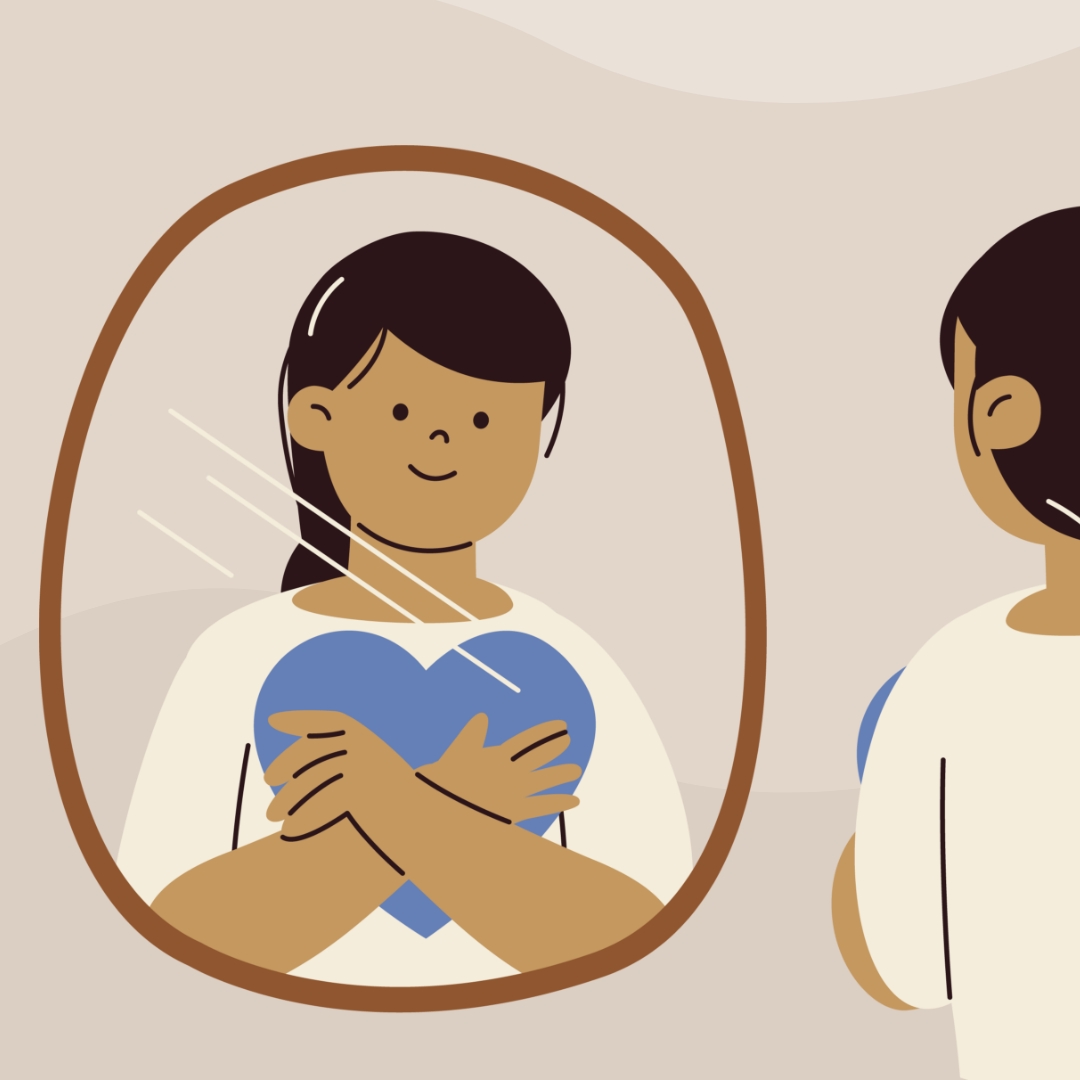
I've been noticing the ways I can be rude, in person and on my phone. This week I share two recent examples of my own, plus why correcting myself out loud strengthens self-awareness. The talk that follows isn't about your kid. It's about you going first.
READ MORE >
An Oakland library has started lending out sports equipment and games alongside books, so families can borrow gear to use at nearby parks. It is a reminder that borrowing and lending between families is a simple way to fill a summer afternoon without a screen, while quietly modelling generosity and humility. We are out of practice at asking, but the person on the other end is usually glad to help.
READ MORE >
E-readers are convenient, but there are three reasons to lean toward paper books this summer. First, e-readers are screens, and the pull of everything else you could do on one makes it harder to stay immersed. Second, a large meta-analysis found people understand and remember slightly better on paper, especially with longer texts. Third, easy access to endless book samples makes it too tempting to jump ship rather than work through the slower parts, since reading, unlike TikTok, is about delayed gratification.
READ MORE >for more like this, DR. DELANEY RUSTON'S NEW BOOK, PARENTING IN THE SCREEN AGE, IS THE DEFINITIVE GUIDE FOR TODAY’S PARENTS. WITH INSIGHTS ON SCREEN TIME FROM RESEARCHERS, INPUT FROM KIDS & TEENS, THIS BOOK IS PACKED WITH SOLUTIONS FOR HOW TO START AND SUSTAIN PRODUCTIVE FAMILY TALKS ABOUT TECHNOLOGY AND IT’S IMPACT ON OUR MENTAL WELLBEING.