



Today somebody asked me what one word described a focus I had for 2018. “Boldness” was the first word that occurred to me regarding being more vocal about what I believe in. “Acceptance” is another word that popped into my head—seeing things as they are, rather than how I wish they were. But what I actually answered was that I want to focus on “begin again.” For today’s TTT I am writing about meditation, mindfulness and attention—and how they all relate to “begin again” and screen time.
Following the practice of starting each TTT conversation with kids on a positive note about tech, I want to give a shout out to meditation apps. A few years ago my teen son Chase told me about an app called Calm that he used at times to help him de-stress. This year I’ve started using two meditation apps: 10% Happier and Headspace. I have spoken with many high schoolers who are also using these meditation apps, and they tell me the apps help them focus and find calm.
Meditation is the practice of mindfulness which is nothing more than working the bicep of our attention muscle. When we practice keeping our attention on something such as our breath, we can increase our ability to bring attention to the present in general. Becoming conscious of what one is thinking, or experiencing emotionally or physically, is pure gold when it comes to having more agency over our lives.
Being able to consciously stop for a split second and notice what is happening in any moment can help us decide if we want to continue doing what we are doing, or thinking what we are thinking. For example, when I am sitting at a table with friends and having an urge to check my phone I can become conscious of the urge, or not. It is that moment of consciousness (mindfulness, attention, awareness) from where I can respond with a choice: Do I want to give the signal to my friends that I am not truly engaging with them? Do I want to virtually leave where I am? Or, do I want to stay focused on my friends and simply take a big breath letting the urge to check my phone pass?
Another benefit of meditation is the ability each of us has to activate our parasympathetic nervous system by breathing deeply and thinking primarily about the breath or another sensation such as the feeling your feet or sounds in the room. While working as a physician in an ER, I have helped ease the misery of many people experiencing panic attacks. I use the word “misery” because people having a panic attack can feel absolutely horrible and truly believe they are having a heart attack or some other lethal event. Part of the treatment is to convince the patient to take deep breaths to help activate their natural stress reduction system called the parasympathetic system.
So where does “begin again” come in? It is a common expression used in the meditation world. When the mind wanders during meditation, which it will do all the time, the key is to stay calm and acknowledge that the mind has wandered, and then bring it back to the breath and “begin again.” Recognizing when we are off-course and then gently and calmly bringing the focus back can help in real life. When we set up goals and then digress, it’s easy to give up completely rather than to calmly remind ourselves to “begin again.” We can use the same skill to prevent getting overly frustrated when we do a behavior that we don’t want to do. When I unintentionally bark at my son for being on his phone, I apologize for my tone, and I tell myself “begin again.”
**In case you missed our last TTT because you were enjoying the holiday, I wanted to make sure you saw the Op-Ed I wrote for CNN.com urging middle schools to adopt an “away for the day” cell phone policy.


Learn more about showing our movies in your school or community!
Join Screenagers filmmaker Delaney Ruston MD for our latest Podcast

Learn more about our Screen-Free Sleep campaign at the website!
Our movie made for parents and educators of younger kids
Learn more about showing our movies in your school or community!
Register your interest in bringing our new movie to your school or community
Learn more about showing our movies in your school or community!
Join Screenagers filmmaker Delaney Ruston MD for our latest Podcast
Learn more about our Screen-Free Sleep campaign at the website!
Our movie made for parents and educators of younger kids
Join Screenagers filmmaker Delaney Ruston MD for our latest Podcast
Register your interest in bringing our new movie to your school or community

As we’re about to celebrate 10 years of Screenagers, we want to hear what’s been most helpful and what you’d like to see next.
Please click here to share your thoughts with us in our community survey. It only takes 5–10 minutes, and everyone who completes it will be entered to win one of five $50 Amazon vouchers.
Today somebody asked me what one word described a focus I had for 2018. “Boldness” was the first word that occurred to me regarding being more vocal about what I believe in. “Acceptance” is another word that popped into my head—seeing things as they are, rather than how I wish they were. But what I actually answered was that I want to focus on “begin again.” For today’s TTT I am writing about meditation, mindfulness and attention—and how they all relate to “begin again” and screen time.
Following the practice of starting each TTT conversation with kids on a positive note about tech, I want to give a shout out to meditation apps. A few years ago my teen son Chase told me about an app called Calm that he used at times to help him de-stress. This year I’ve started using two meditation apps: 10% Happier and Headspace. I have spoken with many high schoolers who are also using these meditation apps, and they tell me the apps help them focus and find calm.
Meditation is the practice of mindfulness which is nothing more than working the bicep of our attention muscle. When we practice keeping our attention on something such as our breath, we can increase our ability to bring attention to the present in general. Becoming conscious of what one is thinking, or experiencing emotionally or physically, is pure gold when it comes to having more agency over our lives.
Being able to consciously stop for a split second and notice what is happening in any moment can help us decide if we want to continue doing what we are doing, or thinking what we are thinking. For example, when I am sitting at a table with friends and having an urge to check my phone I can become conscious of the urge, or not. It is that moment of consciousness (mindfulness, attention, awareness) from where I can respond with a choice: Do I want to give the signal to my friends that I am not truly engaging with them? Do I want to virtually leave where I am? Or, do I want to stay focused on my friends and simply take a big breath letting the urge to check my phone pass?
Another benefit of meditation is the ability each of us has to activate our parasympathetic nervous system by breathing deeply and thinking primarily about the breath or another sensation such as the feeling your feet or sounds in the room. While working as a physician in an ER, I have helped ease the misery of many people experiencing panic attacks. I use the word “misery” because people having a panic attack can feel absolutely horrible and truly believe they are having a heart attack or some other lethal event. Part of the treatment is to convince the patient to take deep breaths to help activate their natural stress reduction system called the parasympathetic system.
So where does “begin again” come in? It is a common expression used in the meditation world. When the mind wanders during meditation, which it will do all the time, the key is to stay calm and acknowledge that the mind has wandered, and then bring it back to the breath and “begin again.” Recognizing when we are off-course and then gently and calmly bringing the focus back can help in real life. When we set up goals and then digress, it’s easy to give up completely rather than to calmly remind ourselves to “begin again.” We can use the same skill to prevent getting overly frustrated when we do a behavior that we don’t want to do. When I unintentionally bark at my son for being on his phone, I apologize for my tone, and I tell myself “begin again.”
**In case you missed our last TTT because you were enjoying the holiday, I wanted to make sure you saw the Op-Ed I wrote for CNN.com urging middle schools to adopt an “away for the day” cell phone policy.
Sign up here to receive the weekly Tech Talk Tuesdays newsletter from Screenagers filmmaker Delaney Ruston MD.
We respect your privacy.
Today somebody asked me what one word described a focus I had for 2018. “Boldness” was the first word that occurred to me regarding being more vocal about what I believe in. “Acceptance” is another word that popped into my head—seeing things as they are, rather than how I wish they were. But what I actually answered was that I want to focus on “begin again.” For today’s TTT I am writing about meditation, mindfulness and attention—and how they all relate to “begin again” and screen time.
Following the practice of starting each TTT conversation with kids on a positive note about tech, I want to give a shout out to meditation apps. A few years ago my teen son Chase told me about an app called Calm that he used at times to help him de-stress. This year I’ve started using two meditation apps: 10% Happier and Headspace. I have spoken with many high schoolers who are also using these meditation apps, and they tell me the apps help them focus and find calm.
Meditation is the practice of mindfulness which is nothing more than working the bicep of our attention muscle. When we practice keeping our attention on something such as our breath, we can increase our ability to bring attention to the present in general. Becoming conscious of what one is thinking, or experiencing emotionally or physically, is pure gold when it comes to having more agency over our lives.
Being able to consciously stop for a split second and notice what is happening in any moment can help us decide if we want to continue doing what we are doing, or thinking what we are thinking. For example, when I am sitting at a table with friends and having an urge to check my phone I can become conscious of the urge, or not. It is that moment of consciousness (mindfulness, attention, awareness) from where I can respond with a choice: Do I want to give the signal to my friends that I am not truly engaging with them? Do I want to virtually leave where I am? Or, do I want to stay focused on my friends and simply take a big breath letting the urge to check my phone pass?
Another benefit of meditation is the ability each of us has to activate our parasympathetic nervous system by breathing deeply and thinking primarily about the breath or another sensation such as the feeling your feet or sounds in the room. While working as a physician in an ER, I have helped ease the misery of many people experiencing panic attacks. I use the word “misery” because people having a panic attack can feel absolutely horrible and truly believe they are having a heart attack or some other lethal event. Part of the treatment is to convince the patient to take deep breaths to help activate their natural stress reduction system called the parasympathetic system.
So where does “begin again” come in? It is a common expression used in the meditation world. When the mind wanders during meditation, which it will do all the time, the key is to stay calm and acknowledge that the mind has wandered, and then bring it back to the breath and “begin again.” Recognizing when we are off-course and then gently and calmly bringing the focus back can help in real life. When we set up goals and then digress, it’s easy to give up completely rather than to calmly remind ourselves to “begin again.” We can use the same skill to prevent getting overly frustrated when we do a behavior that we don’t want to do. When I unintentionally bark at my son for being on his phone, I apologize for my tone, and I tell myself “begin again.”
**In case you missed our last TTT because you were enjoying the holiday, I wanted to make sure you saw the Op-Ed I wrote for CNN.com urging middle schools to adopt an “away for the day” cell phone policy.
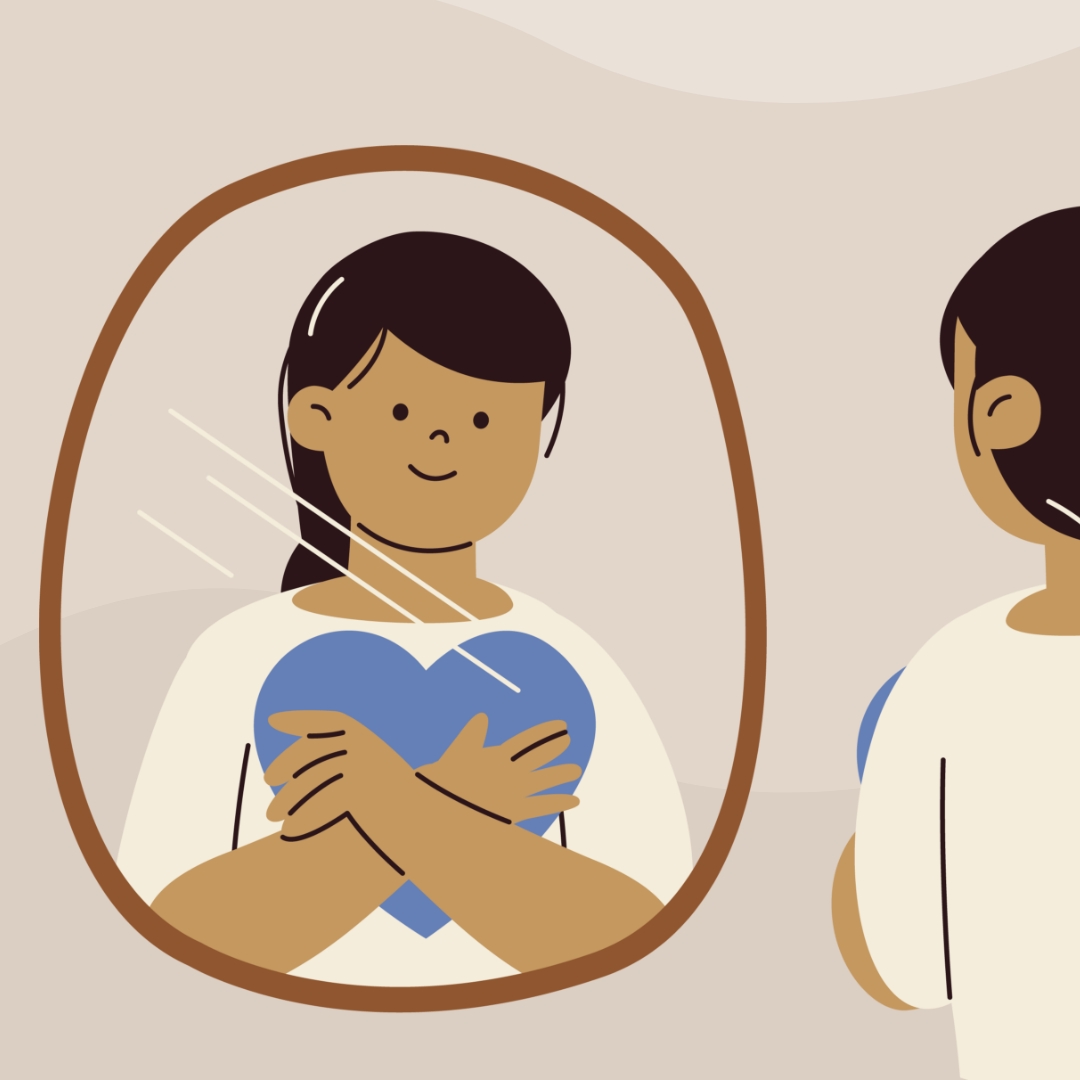
I've been noticing the ways I can be rude, in person and on my phone. This week I share two recent examples of my own, plus why correcting myself out loud strengthens self-awareness. The talk that follows isn't about your kid. It's about you going first.
READ MORE >
An Oakland library has started lending out sports equipment and games alongside books, so families can borrow gear to use at nearby parks. It is a reminder that borrowing and lending between families is a simple way to fill a summer afternoon without a screen, while quietly modelling generosity and humility. We are out of practice at asking, but the person on the other end is usually glad to help.
READ MORE >
E-readers are convenient, but there are three reasons to lean toward paper books this summer. First, e-readers are screens, and the pull of everything else you could do on one makes it harder to stay immersed. Second, a large meta-analysis found people understand and remember slightly better on paper, especially with longer texts. Third, easy access to endless book samples makes it too tempting to jump ship rather than work through the slower parts, since reading, unlike TikTok, is about delayed gratification.
READ MORE >for more like this, DR. DELANEY RUSTON'S NEW BOOK, PARENTING IN THE SCREEN AGE, IS THE DEFINITIVE GUIDE FOR TODAY’S PARENTS. WITH INSIGHTS ON SCREEN TIME FROM RESEARCHERS, INPUT FROM KIDS & TEENS, THIS BOOK IS PACKED WITH SOLUTIONS FOR HOW TO START AND SUSTAIN PRODUCTIVE FAMILY TALKS ABOUT TECHNOLOGY AND IT’S IMPACT ON OUR MENTAL WELLBEING.