


When teens say they hate you, it often feels personal, but it may not truly be about you. Teens sometimes direct their overwhelming feelings toward the safest person in their life. Instead of responding with logic or backing down out of fear, check that your limits are fair, practice self-compassion, and focus on validation rather than correction. If conflict feels stuck, family counseling can help both sides feel heard and understood.
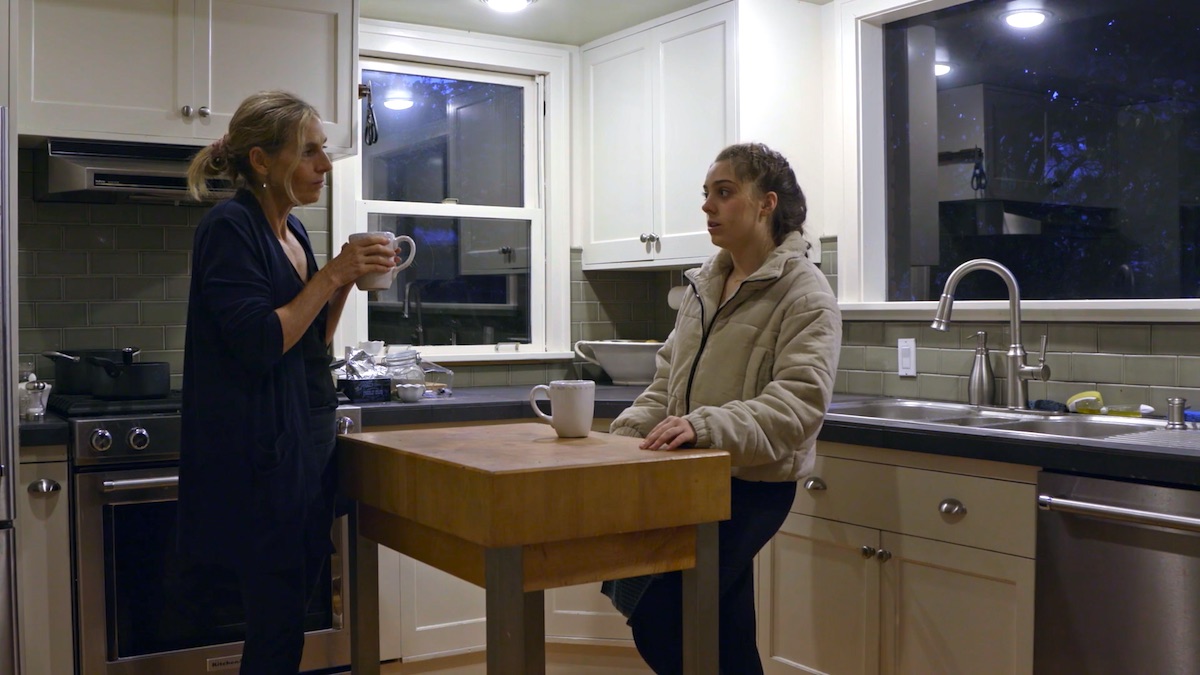
Recently, a parent shared a concern about their college-age child. I’ll call them Sam. Sam has been expressing anger, saying their parent “wasn’t there” enough when they were younger. I know this parent well and have seen firsthand how incredibly attentive they have been.
What’s going on?
I explained a term psychologists use to describe the phenomenon about how kids often vent to us in all sorts of ways, whether it’s in a situation like Sam’s or a tween who tells a parent they hate them for delaying getting them a smartphone.
The term is “co-misery.”
Yes, they want us to feel the pain they’re feeling, even if, in reality, the pain isn’t really about us.
Say that out loud, and remember it. If your child is angry at you, whatever form it takes, remember that co-misery may be in play. It’s usually subconscious on their part.
This is such an important point: being able to say that to oneself, to understand that this is happening, and to handle it as a parent. I say this because so many parents do things that aren’t in their child’s best interest, just because they are so worried that their child will get mad at them.
I see this time and time again as a doctor. For example, when I am seeing a teen patient and their parent is in the room, I might ask the teen if tech devices are kept out of their bedroom at night. If they answer "no", I non-judgmentally ask why.
The parent often pipes in and says, ”Well, they would be so mad at me if we did that.”
Today, I lay out a 5-step action plan for parents facing these kinds of issues.
Do you feel certain you’ve handled the situation fairly? Does science support the limit you might have set? Never shy away from asking others for their take on the situation. Kids often say, “That is not fair,” no matter what we are doing, but we have the bigger picture in mind.


Learn more about showing our movies in your school or community!
Join Screenagers filmmaker Delaney Ruston MD for our latest Podcast

Learn more about our Screen-Free Sleep campaign at the website!
Our movie made for parents and educators of younger kids
Learn more about showing our movies in your school or community!
Register your interest in bringing our new movie to your school or community
Practice self-compassion. It's difficult when anyone is mad at you, especially your child. Learning from Kristen Neff helped me incorporate more self-compassion into my life.
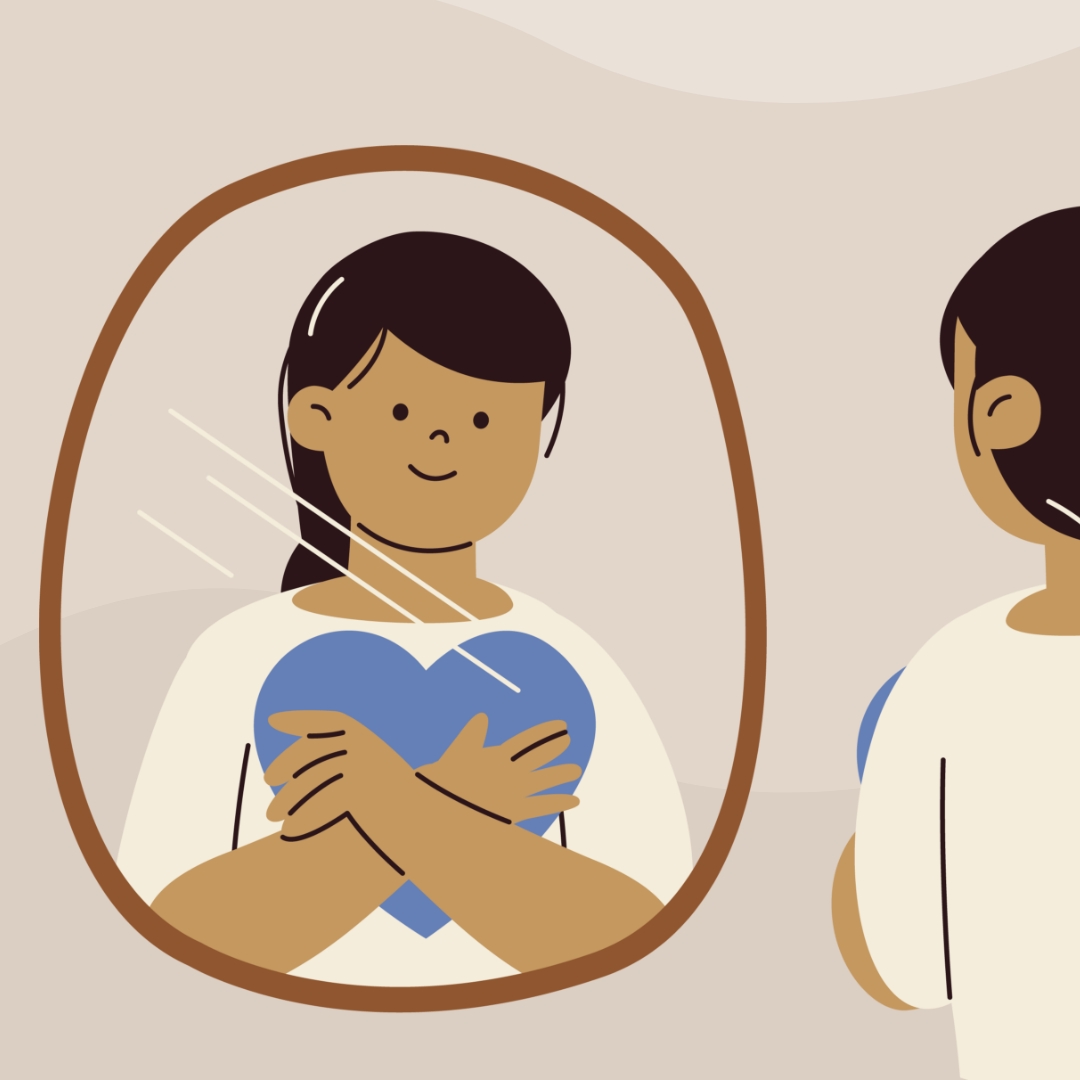
Whether it is silent treatment from your child or an hour-long vent that the parent at the start of the blog had to listen to, put your hand on your heart and just say to yourself, “This is hard, I am here for you.”
As I mentioned, when teens feel bad, they may direct that misery toward you. This doesn’t mean they’re cruel or manipulative. It simply means they’re overwhelmed and trying to discharge those feelings somewhere. Knowing this can help you take their words less personally, even when they sting.
One of the most common instincts parents have in these moments is to reach for and use logic, i.e., we explain the rules. We remind them that they helped create those rules. We point out the consequences of their choices. From an adult perspective, this makes perfect sense. But for a teen who is already upset, it often feels like we are discounting their feelings and experiences.
Sam’s parent understood that responding with logic would only make Sam feel not validated. So, as hard as it was, they stayed curious. They asked questions, like "Tell me more." They also said, “I didn’t realize you were carrying all of this. I really want to understand,” and “I can see how upset you are.”
The parent did a wonderful job using validation. Validation doesn’t mean agreeing with your teen. It means showing that you hear them. It means resisting the urge to contradict, correct, or defend, and instead acknowledging their feelings as real to them.
But the parent was really hurting inside. This is super hard.
I encouraged Sam’s parent to suggest to Sam that they go to some sort of counseling together, so they could better understand all of what Sam is feeling. (I know, I know, getting counseling can be hard for many reasons… I totally get that!)
A skillful counselor will do a good job listening to both the teen and the parent or parents. As mentioned before, normally the parent has to be very gentle about saying things that could be taken as “discounting” the teen’s feelings. A counselor’s job is to give time for both parties to speak...so now the parent will be able to express their thoughts more openly. Over time, the teen may be able to see things from a wider perspective.
I feel so strongly about how family counseling can be helpful that there is even a small scene in Screenagers Next Chapter of my teen daughter, Tessa, and me in family therapy because she was going through significant depression, and I needed help with how best to be a parent to her.
I hope these five steps are helpful. Sam’s parent told me how much better they felt after our conversation, and that’s why I wanted to write this blog.
Learn more about showing our movies in your school or community!
Join Screenagers filmmaker Delaney Ruston MD for our latest Podcast
Learn more about our Screen-Free Sleep campaign at the website!
Our movie made for parents and educators of younger kids
Join Screenagers filmmaker Delaney Ruston MD for our latest Podcast
Register your interest in bringing our new movie to your school or community
Subscribe to our YouTube Channel! We add new videos regularly and you'll find over 100 videos covering parenting advice, guidance, podcasts, movie clips and more. Here's our most recent:

As we’re about to celebrate 10 years of Screenagers, we want to hear what’s been most helpful and what you’d like to see next.
Please click here to share your thoughts with us in our community survey. It only takes 5–10 minutes, and everyone who completes it will be entered to win one of five $50 Amazon vouchers.
Recently, a parent shared a concern about their college-age child. I’ll call them Sam. Sam has been expressing anger, saying their parent “wasn’t there” enough when they were younger. I know this parent well and have seen firsthand how incredibly attentive they have been.
What’s going on?
I explained a term psychologists use to describe the phenomenon about how kids often vent to us in all sorts of ways, whether it’s in a situation like Sam’s or a tween who tells a parent they hate them for delaying getting them a smartphone.
The term is “co-misery.”
Yes, they want us to feel the pain they’re feeling, even if, in reality, the pain isn’t really about us.
Say that out loud, and remember it. If your child is angry at you, whatever form it takes, remember that co-misery may be in play. It’s usually subconscious on their part.
This is such an important point: being able to say that to oneself, to understand that this is happening, and to handle it as a parent. I say this because so many parents do things that aren’t in their child’s best interest, just because they are so worried that their child will get mad at them.
I see this time and time again as a doctor. For example, when I am seeing a teen patient and their parent is in the room, I might ask the teen if tech devices are kept out of their bedroom at night. If they answer "no", I non-judgmentally ask why.
The parent often pipes in and says, ”Well, they would be so mad at me if we did that.”
Today, I lay out a 5-step action plan for parents facing these kinds of issues.
Do you feel certain you’ve handled the situation fairly? Does science support the limit you might have set? Never shy away from asking others for their take on the situation. Kids often say, “That is not fair,” no matter what we are doing, but we have the bigger picture in mind.
Practice self-compassion. It's difficult when anyone is mad at you, especially your child. Learning from Kristen Neff helped me incorporate more self-compassion into my life.
Whether it is silent treatment from your child or an hour-long vent that the parent at the start of the blog had to listen to, put your hand on your heart and just say to yourself, “This is hard, I am here for you.”
As I mentioned, when teens feel bad, they may direct that misery toward you. This doesn’t mean they’re cruel or manipulative. It simply means they’re overwhelmed and trying to discharge those feelings somewhere. Knowing this can help you take their words less personally, even when they sting.
One of the most common instincts parents have in these moments is to reach for and use logic, i.e., we explain the rules. We remind them that they helped create those rules. We point out the consequences of their choices. From an adult perspective, this makes perfect sense. But for a teen who is already upset, it often feels like we are discounting their feelings and experiences.
Sam’s parent understood that responding with logic would only make Sam feel not validated. So, as hard as it was, they stayed curious. They asked questions, like "Tell me more." They also said, “I didn’t realize you were carrying all of this. I really want to understand,” and “I can see how upset you are.”
The parent did a wonderful job using validation. Validation doesn’t mean agreeing with your teen. It means showing that you hear them. It means resisting the urge to contradict, correct, or defend, and instead acknowledging their feelings as real to them.
But the parent was really hurting inside. This is super hard.
I encouraged Sam’s parent to suggest to Sam that they go to some sort of counseling together, so they could better understand all of what Sam is feeling. (I know, I know, getting counseling can be hard for many reasons… I totally get that!)
A skillful counselor will do a good job listening to both the teen and the parent or parents. As mentioned before, normally the parent has to be very gentle about saying things that could be taken as “discounting” the teen’s feelings. A counselor’s job is to give time for both parties to speak...so now the parent will be able to express their thoughts more openly. Over time, the teen may be able to see things from a wider perspective.
I feel so strongly about how family counseling can be helpful that there is even a small scene in Screenagers Next Chapter of my teen daughter, Tessa, and me in family therapy because she was going through significant depression, and I needed help with how best to be a parent to her.
I hope these five steps are helpful. Sam’s parent told me how much better they felt after our conversation, and that’s why I wanted to write this blog.
Subscribe to our YouTube Channel! We add new videos regularly and you'll find over 100 videos covering parenting advice, guidance, podcasts, movie clips and more. Here's our most recent:
Sign up here to receive the weekly Tech Talk Tuesdays newsletter from Screenagers filmmaker Delaney Ruston MD.
We respect your privacy.
Recently, a parent shared a concern about their college-age child. I’ll call them Sam. Sam has been expressing anger, saying their parent “wasn’t there” enough when they were younger. I know this parent well and have seen firsthand how incredibly attentive they have been.
What’s going on?
I explained a term psychologists use to describe the phenomenon about how kids often vent to us in all sorts of ways, whether it’s in a situation like Sam’s or a tween who tells a parent they hate them for delaying getting them a smartphone.
The term is “co-misery.”
Yes, they want us to feel the pain they’re feeling, even if, in reality, the pain isn’t really about us.
Say that out loud, and remember it. If your child is angry at you, whatever form it takes, remember that co-misery may be in play. It’s usually subconscious on their part.
This is such an important point: being able to say that to oneself, to understand that this is happening, and to handle it as a parent. I say this because so many parents do things that aren’t in their child’s best interest, just because they are so worried that their child will get mad at them.
I see this time and time again as a doctor. For example, when I am seeing a teen patient and their parent is in the room, I might ask the teen if tech devices are kept out of their bedroom at night. If they answer "no", I non-judgmentally ask why.
The parent often pipes in and says, ”Well, they would be so mad at me if we did that.”
Today, I lay out a 5-step action plan for parents facing these kinds of issues.
Do you feel certain you’ve handled the situation fairly? Does science support the limit you might have set? Never shy away from asking others for their take on the situation. Kids often say, “That is not fair,” no matter what we are doing, but we have the bigger picture in mind.
I've been noticing the ways I can be rude, in person and on my phone. This week I share two recent examples of my own, plus why correcting myself out loud strengthens self-awareness. The talk that follows isn't about your kid. It's about you going first.
READ MORE >
An Oakland library has started lending out sports equipment and games alongside books, so families can borrow gear to use at nearby parks. It is a reminder that borrowing and lending between families is a simple way to fill a summer afternoon without a screen, while quietly modelling generosity and humility. We are out of practice at asking, but the person on the other end is usually glad to help.
READ MORE >
E-readers are convenient, but there are three reasons to lean toward paper books this summer. First, e-readers are screens, and the pull of everything else you could do on one makes it harder to stay immersed. Second, a large meta-analysis found people understand and remember slightly better on paper, especially with longer texts. Third, easy access to endless book samples makes it too tempting to jump ship rather than work through the slower parts, since reading, unlike TikTok, is about delayed gratification.
READ MORE >for more like this, DR. DELANEY RUSTON'S NEW BOOK, PARENTING IN THE SCREEN AGE, IS THE DEFINITIVE GUIDE FOR TODAY’S PARENTS. WITH INSIGHTS ON SCREEN TIME FROM RESEARCHERS, INPUT FROM KIDS & TEENS, THIS BOOK IS PACKED WITH SOLUTIONS FOR HOW TO START AND SUSTAIN PRODUCTIVE FAMILY TALKS ABOUT TECHNOLOGY AND IT’S IMPACT ON OUR MENTAL WELLBEING.