


Law has been on my mind. Recently I read a story that moved me to tears about a girl where an imperfect legal system gave her a completely inappropriate sentence and for seven years lawyers worked to get her out of prison.
Then on a walk, in the neighborhood book swap box, I picked up the book A Civil Action for my daughter to read—I loved it when I read it years ago. My son has already read it because I recommended it to him some years back. The book tells the true story of an out-of-luck lawyer who takes on issues around toxic water contamination. The book reads like a thriller.
How does that relate to parenting in the digital age? Issues of fairness, respect, and due process play a significant role. So let's discuss.
After my primary care residency, I did a Research Fellowship at UC San Francisco in bioethics, including ethical and effective communication techniques to help others. This academic background, however, did not help me much when it came to the complexity of sorting out screen time rules with my kids!
In SCREENAGERS: Growing Up in the Digital Age, you witness me trying to make a set of rules happen in our home. I made a contract, but I soon realized that to make it work, I needed to find ways to get my kids to participate in setting the guidelines.
One of the things that came out of that journey was the creation of what you are reading right now — Tech Talk Tuesdays. I realized in our home we needed time and space for calm conversations about tech time, in large part, to let my kids feel heard. I also needed to validate a lot more about why it made sense that there are so many reasons that they want to be on screens. This got them to trust that I wouldn’t take and bury their devices in the middle of the ocean, but instead that it made sense that there are many tools and connections that happen on tech.
Collaborating as much as possible about screen limits is so important. But that said, at times, as parents, we are going to make rules that our kids or teens will not be happy about initially, and maybe even ongoing. For example, they need to put their phones out of their room when they go to sleep.
The reality is, life is full of all sorts of boundaries and rules. You can't just take things from classrooms, you can't drive any speed you want — of course, you can, but there are serious consequences. Having some at-home rules is the best way to be ready to act justly in our society.
In the Screenagers NEXT CHAPTER, professor, and researcher, David Yeager talks about the concept of Procedural Justice. Here is a good definition of Procedural Justice:
“Procedural justice is based on four central principles: treating people with dignity and respect, giving citizens' voice during encounters, being neutral in decision making, and conveying trustworthy motives.”
A study explored procedural justice in families with older teens concerning disputes. One of the findings was that in the families where procedural justice approaches were used more than in other families, this was positively associated with teens’ psychological well-being and negatively related deviant behavior. "As predicated, low standing or disrespectful treatment was the best predictor of deviant behavior."
Dr. Tammy Fisher-Huson, a school counselor featured in my new movie Screenagers NEXT CHAPTER, says life is about earning privileges. For instance, you learn how to drive and then you drive responsibly because you have earned the privilege to drive. You follow some set guidelines around screen time, and then you have earned that privilege to have a phone. Rather than rewarding kids with screens, changing one's perspective to understand there are privileges we all get for acting within certain parameters.
If you want to host a screening of the movie in your community, please fill out this form.
Take a look here to see if there’s a screening near you.
*We would love for you to share this TTT any way that works for you, whether that’s on social media or via a newsletter. If you want to send it out in your newsletter we just ask that you credit us and link to our website, and let us know at lisa@screenagersmovie.com.
Stay in touch with the Screenagers community on Facebook, Twitter and leave comments below.
Here are 3 more TTTs you may be interested in:
4 Tips for Creating a Screen Time Contract for the New Year
Back to School, Time to Set an Electronic Curfew
The Resurgence of Board Games


Learn more about showing our movies in your school or community!
Join Screenagers filmmaker Delaney Ruston MD for our latest Podcast

Learn more about our Screen-Free Sleep campaign at the website!
Our movie made for parents and educators of younger kids
Learn more about showing our movies in your school or community!
Register your interest in bringing our new movie to your school or community
Learn more about showing our movies in your school or community!
Join Screenagers filmmaker Delaney Ruston MD for our latest Podcast
Learn more about our Screen-Free Sleep campaign at the website!
Our movie made for parents and educators of younger kids
Join Screenagers filmmaker Delaney Ruston MD for our latest Podcast
Register your interest in bringing our new movie to your school or community

As we’re about to celebrate 10 years of Screenagers, we want to hear what’s been most helpful and what you’d like to see next.
Please click here to share your thoughts with us in our community survey. It only takes 5–10 minutes, and everyone who completes it will be entered to win one of five $50 Amazon vouchers.
Law has been on my mind. Recently I read a story that moved me to tears about a girl where an imperfect legal system gave her a completely inappropriate sentence and for seven years lawyers worked to get her out of prison.
Then on a walk, in the neighborhood book swap box, I picked up the book A Civil Action for my daughter to read—I loved it when I read it years ago. My son has already read it because I recommended it to him some years back. The book tells the true story of an out-of-luck lawyer who takes on issues around toxic water contamination. The book reads like a thriller.
How does that relate to parenting in the digital age? Issues of fairness, respect, and due process play a significant role. So let's discuss.
After my primary care residency, I did a Research Fellowship at UC San Francisco in bioethics, including ethical and effective communication techniques to help others. This academic background, however, did not help me much when it came to the complexity of sorting out screen time rules with my kids!
In SCREENAGERS: Growing Up in the Digital Age, you witness me trying to make a set of rules happen in our home. I made a contract, but I soon realized that to make it work, I needed to find ways to get my kids to participate in setting the guidelines.
One of the things that came out of that journey was the creation of what you are reading right now — Tech Talk Tuesdays. I realized in our home we needed time and space for calm conversations about tech time, in large part, to let my kids feel heard. I also needed to validate a lot more about why it made sense that there are so many reasons that they want to be on screens. This got them to trust that I wouldn’t take and bury their devices in the middle of the ocean, but instead that it made sense that there are many tools and connections that happen on tech.
Collaborating as much as possible about screen limits is so important. But that said, at times, as parents, we are going to make rules that our kids or teens will not be happy about initially, and maybe even ongoing. For example, they need to put their phones out of their room when they go to sleep.
The reality is, life is full of all sorts of boundaries and rules. You can't just take things from classrooms, you can't drive any speed you want — of course, you can, but there are serious consequences. Having some at-home rules is the best way to be ready to act justly in our society.
In the Screenagers NEXT CHAPTER, professor, and researcher, David Yeager talks about the concept of Procedural Justice. Here is a good definition of Procedural Justice:
“Procedural justice is based on four central principles: treating people with dignity and respect, giving citizens' voice during encounters, being neutral in decision making, and conveying trustworthy motives.”
A study explored procedural justice in families with older teens concerning disputes. One of the findings was that in the families where procedural justice approaches were used more than in other families, this was positively associated with teens’ psychological well-being and negatively related deviant behavior. "As predicated, low standing or disrespectful treatment was the best predictor of deviant behavior."
Dr. Tammy Fisher-Huson, a school counselor featured in my new movie Screenagers NEXT CHAPTER, says life is about earning privileges. For instance, you learn how to drive and then you drive responsibly because you have earned the privilege to drive. You follow some set guidelines around screen time, and then you have earned that privilege to have a phone. Rather than rewarding kids with screens, changing one's perspective to understand there are privileges we all get for acting within certain parameters.
If you want to host a screening of the movie in your community, please fill out this form.
Take a look here to see if there’s a screening near you.
*We would love for you to share this TTT any way that works for you, whether that’s on social media or via a newsletter. If you want to send it out in your newsletter we just ask that you credit us and link to our website, and let us know at lisa@screenagersmovie.com.
Stay in touch with the Screenagers community on Facebook, Twitter and leave comments below.
Here are 3 more TTTs you may be interested in:
4 Tips for Creating a Screen Time Contract for the New Year
Back to School, Time to Set an Electronic Curfew
The Resurgence of Board Games
Sign up here to receive the weekly Tech Talk Tuesdays newsletter from Screenagers filmmaker Delaney Ruston MD.
We respect your privacy.
Law has been on my mind. Recently I read a story that moved me to tears about a girl where an imperfect legal system gave her a completely inappropriate sentence and for seven years lawyers worked to get her out of prison.
Then on a walk, in the neighborhood book swap box, I picked up the book A Civil Action for my daughter to read—I loved it when I read it years ago. My son has already read it because I recommended it to him some years back. The book tells the true story of an out-of-luck lawyer who takes on issues around toxic water contamination. The book reads like a thriller.
How does that relate to parenting in the digital age? Issues of fairness, respect, and due process play a significant role. So let's discuss.
After my primary care residency, I did a Research Fellowship at UC San Francisco in bioethics, including ethical and effective communication techniques to help others. This academic background, however, did not help me much when it came to the complexity of sorting out screen time rules with my kids!
In SCREENAGERS: Growing Up in the Digital Age, you witness me trying to make a set of rules happen in our home. I made a contract, but I soon realized that to make it work, I needed to find ways to get my kids to participate in setting the guidelines.
One of the things that came out of that journey was the creation of what you are reading right now — Tech Talk Tuesdays. I realized in our home we needed time and space for calm conversations about tech time, in large part, to let my kids feel heard. I also needed to validate a lot more about why it made sense that there are so many reasons that they want to be on screens. This got them to trust that I wouldn’t take and bury their devices in the middle of the ocean, but instead that it made sense that there are many tools and connections that happen on tech.
Collaborating as much as possible about screen limits is so important. But that said, at times, as parents, we are going to make rules that our kids or teens will not be happy about initially, and maybe even ongoing. For example, they need to put their phones out of their room when they go to sleep.
The reality is, life is full of all sorts of boundaries and rules. You can't just take things from classrooms, you can't drive any speed you want — of course, you can, but there are serious consequences. Having some at-home rules is the best way to be ready to act justly in our society.
In the Screenagers NEXT CHAPTER, professor, and researcher, David Yeager talks about the concept of Procedural Justice. Here is a good definition of Procedural Justice:
“Procedural justice is based on four central principles: treating people with dignity and respect, giving citizens' voice during encounters, being neutral in decision making, and conveying trustworthy motives.”
A study explored procedural justice in families with older teens concerning disputes. One of the findings was that in the families where procedural justice approaches were used more than in other families, this was positively associated with teens’ psychological well-being and negatively related deviant behavior. "As predicated, low standing or disrespectful treatment was the best predictor of deviant behavior."
Dr. Tammy Fisher-Huson, a school counselor featured in my new movie Screenagers NEXT CHAPTER, says life is about earning privileges. For instance, you learn how to drive and then you drive responsibly because you have earned the privilege to drive. You follow some set guidelines around screen time, and then you have earned that privilege to have a phone. Rather than rewarding kids with screens, changing one's perspective to understand there are privileges we all get for acting within certain parameters.
If you want to host a screening of the movie in your community, please fill out this form.
Take a look here to see if there’s a screening near you.
*We would love for you to share this TTT any way that works for you, whether that’s on social media or via a newsletter. If you want to send it out in your newsletter we just ask that you credit us and link to our website, and let us know at lisa@screenagersmovie.com.
Stay in touch with the Screenagers community on Facebook, Twitter and leave comments below.
Here are 3 more TTTs you may be interested in:
4 Tips for Creating a Screen Time Contract for the New Year
Back to School, Time to Set an Electronic Curfew
The Resurgence of Board Games
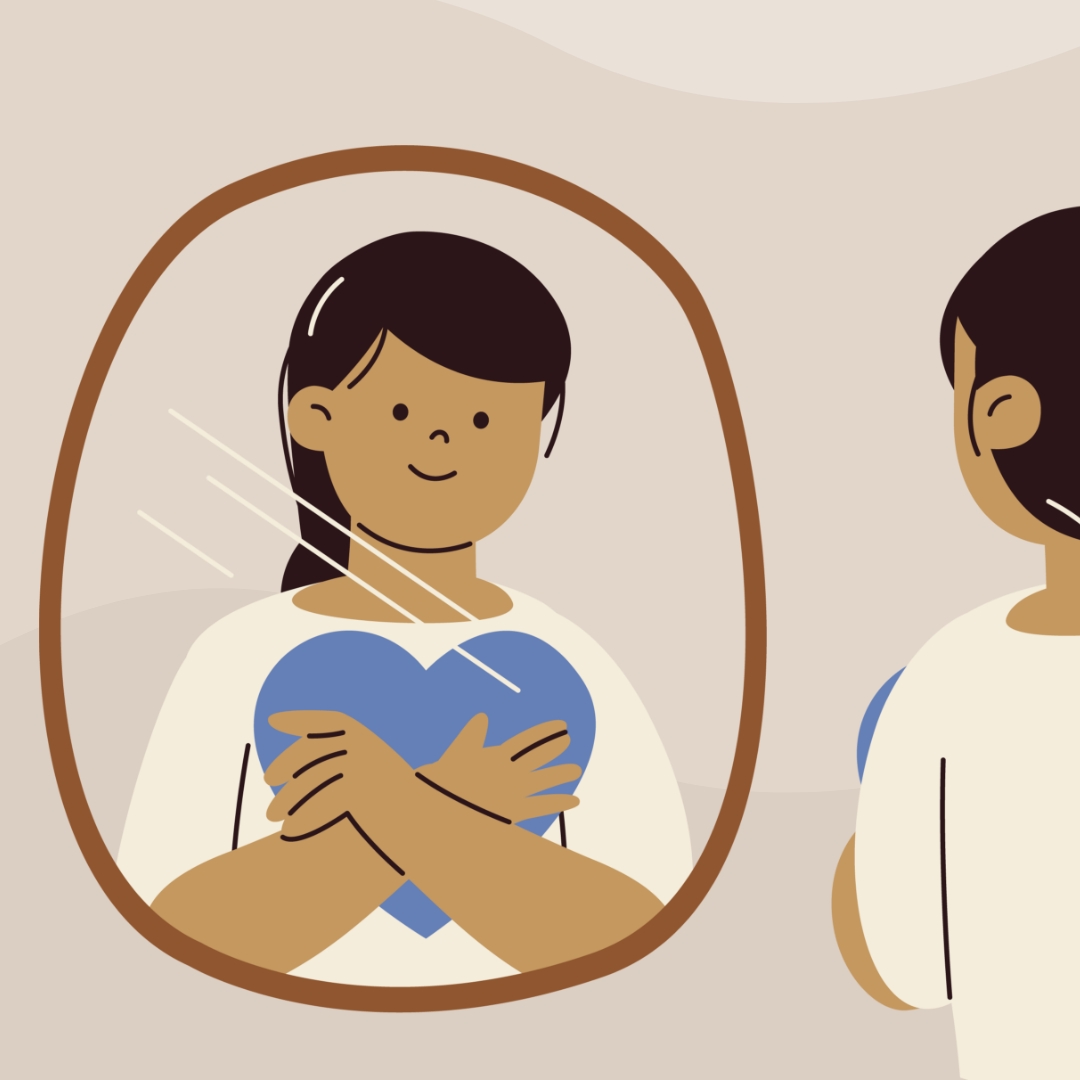
I've been noticing the ways I can be rude, in person and on my phone. This week I share two recent examples of my own, plus why correcting myself out loud strengthens self-awareness. The talk that follows isn't about your kid. It's about you going first.
READ MORE >
An Oakland library has started lending out sports equipment and games alongside books, so families can borrow gear to use at nearby parks. It is a reminder that borrowing and lending between families is a simple way to fill a summer afternoon without a screen, while quietly modelling generosity and humility. We are out of practice at asking, but the person on the other end is usually glad to help.
READ MORE >
E-readers are convenient, but there are three reasons to lean toward paper books this summer. First, e-readers are screens, and the pull of everything else you could do on one makes it harder to stay immersed. Second, a large meta-analysis found people understand and remember slightly better on paper, especially with longer texts. Third, easy access to endless book samples makes it too tempting to jump ship rather than work through the slower parts, since reading, unlike TikTok, is about delayed gratification.
READ MORE >for more like this, DR. DELANEY RUSTON'S NEW BOOK, PARENTING IN THE SCREEN AGE, IS THE DEFINITIVE GUIDE FOR TODAY’S PARENTS. WITH INSIGHTS ON SCREEN TIME FROM RESEARCHERS, INPUT FROM KIDS & TEENS, THIS BOOK IS PACKED WITH SOLUTIONS FOR HOW TO START AND SUSTAIN PRODUCTIVE FAMILY TALKS ABOUT TECHNOLOGY AND IT’S IMPACT ON OUR MENTAL WELLBEING.