
Social Media

Social Media's Big Tobacco Moment: Talking to Kids About the Meta and YouTube Ruling

a school gathering to watch screenagers
March 31, 2026
6
min read
Delaney Ruston, MD
a school gathering to watch screenagers

In Summary

A Los Angeles jury has found Meta and YouTube liable for designing platforms that addicted a child and harmed her mental health, the first verdict of its kind. The case shifted the legal debate away from free speech and Section 230 protections toward platform design and its impact on young users. This is being called social media's "Big Tobacco moment," and it is one worth explaining to the kids in your life.

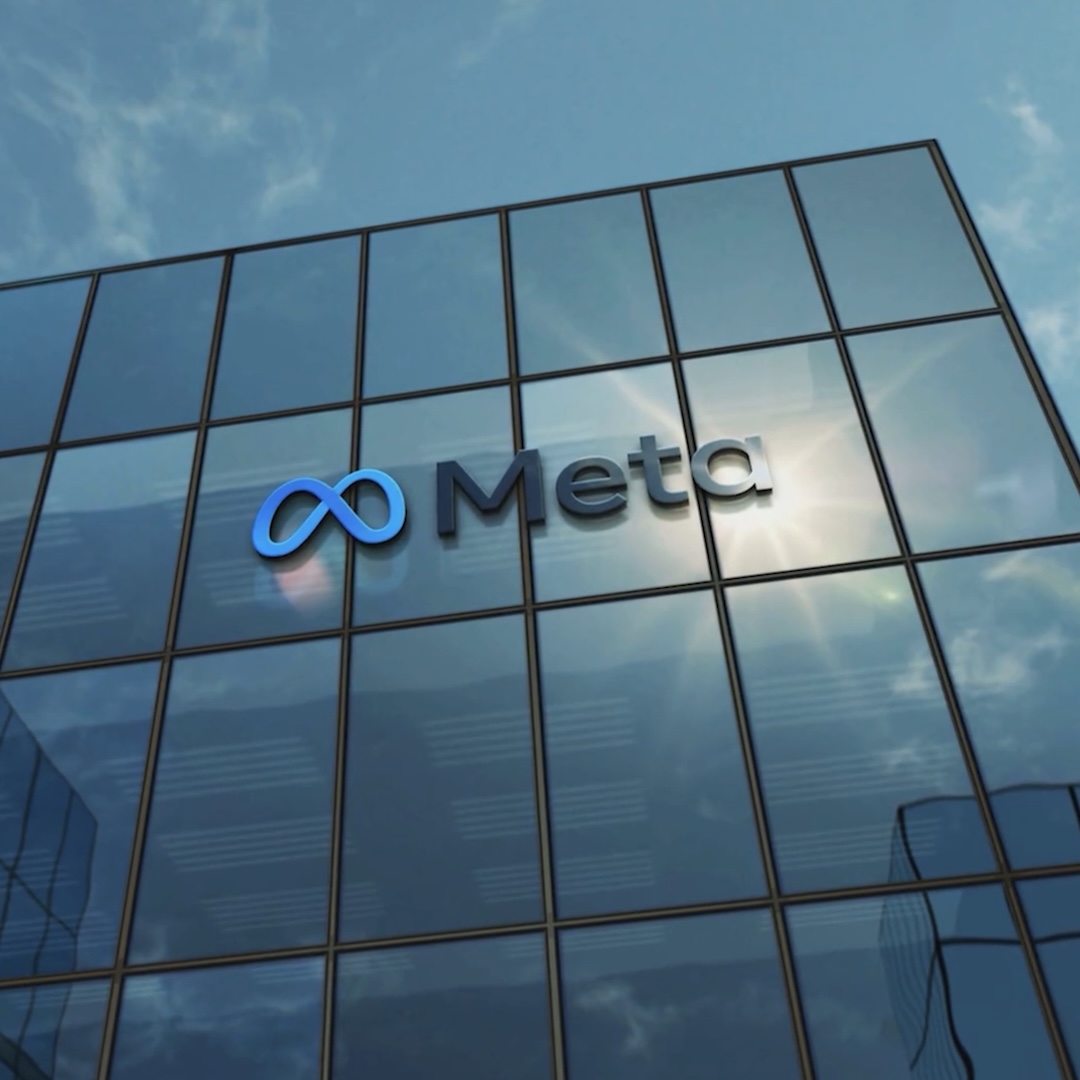
Last week, a jury in Los Angeles made history. For the first time ever, Meta and YouTube have been found liable for designing platforms that addicted a child and harmed her mental health. 

The plaintiff, Kaley, started using YouTube at 6 and Instagram at 9. During the trial, her lawyers showed internal Meta documents, including one that said: "If we wanna win big with teens, we must bring them in as tweens." 

Meta and YouTube's defense tried to blame Kaley's struggles on other parts of her life. The jury saw through it. As a doctor who works with teens and their mental health, that defence disturbed me.

It's a tactic I've seen before: deflect, minimize, point anywhere but the product. But the evidence told a different story.

These companies had the data. Remember Frances Haugen? Her book shows how much they knew, and the personal cost of speaking out. Others, like the wonderful Arturo Bejar, have also come forward.

What kids and teens need to understand about Kaley’s case:

  • In 1996, Congress passed a law called the Communications Decency Act. Section 230 of this law said that social media companies were not legally responsible for what people posted on their platforms.
  • However, a lot has changed since then. In the early days, platforms showed content in simple chronological order. For example, Facebook originally displayed posts based on when they were shared. But in 2009, Facebook officially shifted to an algorithmically curated feed. This meant posts were no longer shown just by time, but instead ranked based on popularity and predicted engagement.

continues below
Share
Facebook logo.Rightward curved arrow symbol for sharing or forwarding.
host a screening

Learn more about showing our movies in your school or community!

Podcast

Join Screenagers filmmaker Delaney Ruston MD for our latest Podcast

Learn more about our Screen-Free Sleep campaign at the website!

Screenagers elementary edition

Our movie made for parents and educators of younger kids

host a screening

Learn more about showing our movies in your school or community!

  • As a result, Facebook and other companies began creating algorithms to send users content they believed would keep them engaged. Some of this content can be fun, like a dance team performing a great routine. But much of it includes material that teens were not actively looking for, and that is harmful for mental health, such as eating disorder content, frightening news, or other disturbing images and videos.
  • In addition, the companies were creating all sorts of other mechanisms that promoted serious overuse and addiction by young people (everyone, but for now, we are focused on youth). Examples include: the Like button (2009), autoplay videos (2013–2015), and push notifications (2009–2012).
  • For many years, companies were protected from legal responsibility because of Section 230 and the principle of free speech, the idea that people should be able to share what they want on these platforms.
  • Over time, lawyers were able to show that the real issue was not just what people posted, but how the platforms were designed. This shifted the focus away from free speech and toward product design and its impact on young users. Organizations, such as the Social Media Victims Law Center here in Seattle, have been especially important in reframing the debate. Thank you!
  • Another important point for young people to understand is how lawsuits work. When a case is brought, lawyers can access internal company documents and question employees under oath. This process helps uncover evidence about what companies knew and how their systems operated. That is how information came to light that contributed to juries finding companies like Meta and YouTube responsible in certain cases.
  • Snapchat and TikTok settled out of court, meaning they thought it prudent to make some sort of payout to the plaintiffs. Most likely, they thought they might lose the case. The truth is, there are over 2,000 cases pending, so it would be silly to believe they too will not have their day in court.
  • And finally, I want kids to REALLY understand why headlines are consistently calling this ruling social media’s “Big Tobacco moment.” Back in 1996, under oath, executives of tobacco companies all said they did not think tobacco was addictive. Yet their internal documents showed they were saying the opposite. Shame on them!
  • The same situation exists with social media companies. They have been saying one thing to Congress and parents and quite another behind closed doors. Their internal documents have now shown us that they not only knew about the problems but promoted them if it meant more time online for our youth.

Kaley’s attorney, Mark Lanier, and his team were extraordinary, pushing forward even after Lanier nearly lost his voice mid-trial.

I also want to give a huge shoutout to the Scrolling to Death podcast’s “The Heat Is On” series. The podcast’s host, Nicki Petrosis, along with Sarah Gardner, did a remarkable job covering the trial day by day.

I've spent more than a decade making films about how technology affects our kids. FINALLY, a jury confirmed what so many families have known for years.

Yes, the companies will appeal. But I am hopeful that this watershed moment will indeed result in much-needed changes for the sake of our children, our families, and our world.

Questions to get the conversation started with youth in your life

  1. What have you heard about the recent jury decision against Meta and YouTube?
  2. Do you understand how the focus on product design vs Section 230 led to the jury’s decision?
  3. If you were on the jury, what evidence would have swayed you one way or another?

host a screening

Learn more about showing our movies in your school or community!

Podcast

Join Screenagers filmmaker Delaney Ruston MD for our latest Podcast

Learn more about our Screen-Free Sleep campaign at the website!

Screenagers elementary edition

Our movie made for parents and educators of younger kids

Podcast

Join Screenagers filmmaker Delaney Ruston MD for our latest Podcast

This week on YouTube

Subscribe to our YouTube Channel! We add new videos regularly and you'll find over 100 videos covering parenting advice, guidance, podcasts, movie clips and more. Here's our most recent:

Get our latest posts and practical advice in your inbox, weekly.

You have subscribed to our emails. Thank you!
Oops! Something went wrong while submitting the form.

We respect your privacy.

More Like This

Social Media

Social Media's Big Tobacco Moment: Talking to Kids About the Meta and YouTube Ruling

Delaney Ruston, MD
Lisa Tabb smiling to camera (Screenagers Producer)
Lisa Tabb
March 31, 2026

As we’re about to celebrate 10 years of Screenagers, we want to hear what’s been most helpful and what you’d like to see next.

Please click here to share your thoughts with us in our community survey. It only takes 5–10 minutes, and everyone who completes it will be entered to win one of five $50 Amazon vouchers.

Last week, a jury in Los Angeles made history. For the first time ever, Meta and YouTube have been found liable for designing platforms that addicted a child and harmed her mental health. 

The plaintiff, Kaley, started using YouTube at 6 and Instagram at 9. During the trial, her lawyers showed internal Meta documents, including one that said: "If we wanna win big with teens, we must bring them in as tweens." 

Meta and YouTube's defense tried to blame Kaley's struggles on other parts of her life. The jury saw through it. As a doctor who works with teens and their mental health, that defence disturbed me.

It's a tactic I've seen before: deflect, minimize, point anywhere but the product. But the evidence told a different story.

These companies had the data. Remember Frances Haugen? Her book shows how much they knew, and the personal cost of speaking out. Others, like the wonderful Arturo Bejar, have also come forward.
What kids and teens need to understand about Kaley’s case:

  • In 1996, Congress passed a law called the Communications Decency Act. Section 230 of this law said that social media companies were not legally responsible for what people posted on their platforms.
  • However, a lot has changed since then. In the early days, platforms showed content in simple chronological order. For example, Facebook originally displayed posts based on when they were shared. But in 2009, Facebook officially shifted to an algorithmically curated feed. This meant posts were no longer shown just by time, but instead ranked based on popularity and predicted engagement.

Join
443
others who have made the pledge!
Thank you for making the pledge!
Please try again
Book page button

Available now - Parenting in the Screen Age, from Screenagers filmmaker Delaney Ruston MD

Order Here
Find A screening Button

Find a Screening - Find a screening of our movies in your local community

Learn More
Smiling woman with long blonde hair wearing a dark teal sweater, next to text: The Screenagers Podcast with Delaney Ruston, MD.

Screenagers Podcast - Join Screenagers filmmaker Delaney Ruston MD for the latest Podcast

Learn More
Book page button

Available now - Parenting in the Screen Age, from Screenagers filmmaker Delaney Ruston MD

Learn More
Host a Screening Button

Community Screenings - Learn more about hosting your own Screenagers community screening event!

Learn More
Parenting In The Screen Age Book Cover

Free Book Preview - Download a free preview of "Parenting In The Screen Age" by Delaney Ruston, MD

Learn More
The Screenagers Project title in bold white text on a dark blue background with teal underline and partially visible screenshots of a website behind.

Join Today - Members can screen and view our movies year-round, access new lesson plans, resources and much more!

Learn More
Screenagers Under The Influence Banner

Our New Movie - Learn more about the third movie in the Screenagers Trilogy

Learn More
YouTube play button icon next to the text 'SCREENAGERS YOUTUBE' on a dark blue background with images of web pages around the edges.

The Screenagers YouTube Channel - Subscribe for new videos and content from our team weekly!

Learn More
  • As a result, Facebook and other companies began creating algorithms to send users content they believed would keep them engaged. Some of this content can be fun, like a dance team performing a great routine. But much of it includes material that teens were not actively looking for, and that is harmful for mental health, such as eating disorder content, frightening news, or other disturbing images and videos.
  • In addition, the companies were creating all sorts of other mechanisms that promoted serious overuse and addiction by young people (everyone, but for now, we are focused on youth). Examples include: the Like button (2009), autoplay videos (2013–2015), and push notifications (2009–2012).
  • For many years, companies were protected from legal responsibility because of Section 230 and the principle of free speech, the idea that people should be able to share what they want on these platforms.
  • Over time, lawyers were able to show that the real issue was not just what people posted, but how the platforms were designed. This shifted the focus away from free speech and toward product design and its impact on young users. Organizations, such as the Social Media Victims Law Center here in Seattle, have been especially important in reframing the debate. Thank you!
  • Another important point for young people to understand is how lawsuits work. When a case is brought, lawyers can access internal company documents and question employees under oath. This process helps uncover evidence about what companies knew and how their systems operated. That is how information came to light that contributed to juries finding companies like Meta and YouTube responsible in certain cases.
  • Snapchat and TikTok settled out of court, meaning they thought it prudent to make some sort of payout to the plaintiffs. Most likely, they thought they might lose the case. The truth is, there are over 2,000 cases pending, so it would be silly to believe they too will not have their day in court.
  • And finally, I want kids to REALLY understand why headlines are consistently calling this ruling social media’s “Big Tobacco moment.” Back in 1996, under oath, executives of tobacco companies all said they did not think tobacco was addictive. Yet their internal documents showed they were saying the opposite. Shame on them!
  • The same situation exists with social media companies. They have been saying one thing to Congress and parents and quite another behind closed doors. Their internal documents have now shown us that they not only knew about the problems but promoted them if it meant more time online for our youth.

Kaley’s attorney, Mark Lanier, and his team were extraordinary, pushing forward even after Lanier nearly lost his voice mid-trial.

I also want to give a huge shoutout to the Scrolling to Death podcast’s “The Heat Is On” series. The podcast’s host, Nicki Petrosis, along with Sarah Gardner, did a remarkable job covering the trial day by day.

I've spent more than a decade making films about how technology affects our kids. FINALLY, a jury confirmed what so many families have known for years.

Yes, the companies will appeal. But I am hopeful that this watershed moment will indeed result in much-needed changes for the sake of our children, our families, and our world.

Questions to get the conversation started with youth in your life

  1. What have you heard about the recent jury decision against Meta and YouTube?
  2. Do you understand how the focus on product design vs Section 230 led to the jury’s decision?
  3. If you were on the jury, what evidence would have swayed you one way or another?

Host a Screening Button

Community Screenings - Learn more about hosting your own Screenagers community screening event!

Learn More
Find A screening Button

Find a Screening - Find a screening of our movies in your local community

Learn More
Smiling woman with long blonde hair wearing a dark teal sweater, next to text: The Screenagers Podcast with Delaney Ruston, MD.

Screenagers Podcast - Join Screenagers filmmaker Delaney Ruston MD for the latest Podcast

Learn More
Book page button

Available now - Parenting in the Screen Age, from Screenagers filmmaker Delaney Ruston MD

Learn More
Host a Screening Button

Community Screenings - Learn more about hosting your own Screenagers community screening event!

Learn More
Parenting In The Screen Age Book Cover

Free Book Preview - Download a free preview of "Parenting In The Screen Age" by Delaney Ruston, MD

Learn More
The Screenagers Project title in bold white text on a dark blue background with teal underline and partially visible screenshots of a website behind.

Join Today - Members can screen and view our movies year-round, access new lesson plans, resources and much more!

Learn More
Screenagers Under The Influence Banner

Our New Movie - Learn more about the third movie in the Screenagers Trilogy

Learn More
YouTube play button icon next to the text 'SCREENAGERS YOUTUBE' on a dark blue background with images of web pages around the edges.

The Screenagers YouTube Channel - Subscribe for new videos and content from our team weekly!

Learn More

This week on YouTube

Subscribe to our YouTube Channel! We add new videos regularly and you'll find over 100 videos covering parenting advice, guidance, podcasts, movie clips and more. Here's our most recent:

Thank you! Your submission has been received!
Oops! Something went wrong while submitting the form.

We respect your privacy.

Book page button

Available now - Parenting in the Screen Age, from Screenagers filmmaker Delaney Ruston MD

Order Here
Find A screening Button

Find a Screening - Find a screening of our movies in your local community

Learn More
Smiling woman with long blonde hair wearing a dark teal sweater, next to text: The Screenagers Podcast with Delaney Ruston, MD.

Screenagers Podcast - Join Screenagers filmmaker Delaney Ruston MD for the latest Podcast

Learn More
Book page button

Available now - Parenting in the Screen Age, from Screenagers filmmaker Delaney Ruston MD

Learn More
Host a Screening Button

Community Screenings - Learn more about hosting your own Screenagers community screening event!

Learn More
Parenting In The Screen Age Book Cover

Free Book Preview - Download a free preview of "Parenting In The Screen Age" by Delaney Ruston, MD

Learn More
The Screenagers Project title in bold white text on a dark blue background with teal underline and partially visible screenshots of a website behind.

Join Today - Members can screen and view our movies year-round, access new lesson plans, resources and much more!

Learn More
Screenagers Under The Influence Banner

Learn more about the third movie in the Screenagers movie series

Learn More
YouTube play button icon next to the text 'SCREENAGERS YOUTUBE' on a dark blue background with images of web pages around the edges.

The Screenagers YouTube Channel - Subscribe for new videos and content from our team weekly!

Learn More
Six children standing outdoors using tablets and smartphones, with text overlay 'SCREEN AGERS ELEMENTARY SCHOOL AGE EDITION'.

Screenagers: Elementary School Age Edition - Learn more about our latest movie.

Learn More
Child sleeping peacefully in bed under a gray blanket with text saying 'Screen-Free Sleep' and cartoon purple Z's.

Learn more about the Screen-Free Sleep campaign at the website!

Visit Website
Host a Screening Button

Community Screenings - Learn more about hosting your own Screenagers community screening event!

Learn More
Find A screening Button

Find a Screening - Find a screening of our movies in your local community

Learn More
Smiling woman with long blonde hair wearing a dark teal sweater, next to text: The Screenagers Podcast with Delaney Ruston, MD.

Screenagers Podcast - Join Screenagers filmmaker Delaney Ruston MD for the latest Podcast

Learn More
Book page button

Available now - Parenting in the Screen Age, from Screenagers filmmaker Delaney Ruston MD

Learn More
Host a Screening Button

Community Screenings - Learn more about hosting your own Screenagers community screening event!

Learn More
Parenting In The Screen Age Book Cover

Free Book Preview - Download a free preview of "Parenting In The Screen Age" by Delaney Ruston, MD

Learn More
The Screenagers Project title in bold white text on a dark blue background with teal underline and partially visible screenshots of a website behind.

Join Today - Members can screen and view our movies year-round, access new lesson plans, resources and much more!

Learn More
Screenagers Under The Influence Banner

Screenagers Under The Influence - Learn more about this movie and watch the trailer.

Learn More
YouTube play button icon next to the text 'SCREENAGERS YOUTUBE' on a dark blue background with images of web pages around the edges.

The Screenagers YouTube Channel - Subscribe for new videos and content from our team weekly!

Learn More
Six children standing outdoors using tablets and smartphones, with text overlay 'SCREEN AGERS ELEMENTARY SCHOOL AGE EDITION'.

Screenagers: Elementary School Age Edition - Learn more about our latest movie.

Learn More
Child sleeping peacefully in bed under a gray blanket with text saying 'Screen-Free Sleep' and cartoon purple Z's.

Learn more about the Screen-Free Sleep campaign at the website!

Visit Website
Social Media

Social Media's Big Tobacco Moment: Talking to Kids About the Meta and YouTube Ruling

Delaney Ruston, MD
March 31, 2026

Last week, a jury in Los Angeles made history. For the first time ever, Meta and YouTube have been found liable for designing platforms that addicted a child and harmed her mental health. 

The plaintiff, Kaley, started using YouTube at 6 and Instagram at 9. During the trial, her lawyers showed internal Meta documents, including one that said: "If we wanna win big with teens, we must bring them in as tweens." 

Meta and YouTube's defense tried to blame Kaley's struggles on other parts of her life. The jury saw through it. As a doctor who works with teens and their mental health, that defence disturbed me.

It's a tactic I've seen before: deflect, minimize, point anywhere but the product. But the evidence told a different story.

These companies had the data. Remember Frances Haugen? Her book shows how much they knew, and the personal cost of speaking out. Others, like the wonderful Arturo Bejar, have also come forward.

What kids and teens need to understand about Kaley’s case:

  • In 1996, Congress passed a law called the Communications Decency Act. Section 230 of this law said that social media companies were not legally responsible for what people posted on their platforms.
  • However, a lot has changed since then. In the early days, platforms showed content in simple chronological order. For example, Facebook originally displayed posts based on when they were shared. But in 2009, Facebook officially shifted to an algorithmically curated feed. This meant posts were no longer shown just by time, but instead ranked based on popularity and predicted engagement.

More Like This

From Zuckerberg to Utah: How ‘No Evidence of Harm’ Could Derail EdTech Reform
March 3, 2026
Social Media

From Zuckerberg to Utah: How ‘No Evidence of Harm’ Could Derail EdTech Reform

Jared Cooney Horvath argues that the common defense of classroom technology — “there’s no definitive evidence of harm” — sets an unrealistic standard. Because ed tech evolves rapidly, product-specific causal trials are often impossible and ethically problematic. Instead, he points to converging evidence. In Utah, long-rising achievement scores reversed after digital tools became central in 2014, a pattern echoed in broader national and international data, raising concerns about large-scale tech adoption without clear evidence of benefit.

READ MORE >
Before You Trust Instagram’s Teen Accounts, Take This Family Quiz
February 24, 2026
Social Media

Before You Trust Instagram’s Teen Accounts, Take This Family Quiz

Instagram’s new Teen Accounts are being promoted as safer for kids, but recent nationally representative data tells a more complicated story. This post invites families to take a research-based quiz together and have a calm, curiosity-driven conversation about what teens are actually experiencing on the platform — and what that means for trust, safety, and screen time.

READ MORE >
Australia’s Social Media Ban for Kids Explained
December 2, 2025
Social Media

Australia’s Social Media Ban for Kids Explained

It feels like we’re finally hitting a tipping point. The harms from social media in young people’s lives have been building for far too long, and bold solutions can’t wait any longer. That’s why what just happened in Australia is extremely exciting. Their new nationwide move marks one of the biggest attempts yet to protect kids online. And as we released a new podcast episode yesterday featuring a mother who lost her 14-year-old son after a tragic connection made through social media, I couldn’t help but think: this is exactly the kind of real-world action families have been desperate for. In today’s blog, I share five key things to understand about what Australia is doing because it’s big, it’s controversial, and it might just spark global change.

READ MORE >

parenting in the screen age

for more like this, DR. DELANEY RUSTON'S NEW BOOK, PARENTING IN THE SCREEN AGE, IS THE DEFINITIVE GUIDE FOR TODAY’S PARENTS. WITH INSIGHTS ON SCREEN TIME FROM RESEARCHERS, INPUT FROM KIDS & TEENS, THIS BOOK IS PACKED WITH SOLUTIONS FOR HOW TO START AND SUSTAIN PRODUCTIVE FAMILY TALKS ABOUT TECHNOLOGY AND IT’S IMPACT ON OUR MENTAL WELLBEING.  

ORDER HERE
Parenting in the Screen Age book cover