



A friend recently told me that her son, whose middle school plans to show Screenagers schoolwide before the semester ends, is already feeling defensive about what he anticipates will be “another parent attack” on one more dreaded teen behavior that we parents have to “do something about.”
“There are a lot of good things that happen on screens,” he insists pre-emptively. “It’s not just all wasting time.” His latest favorite evidence is a popular YouTube video considering the question, “Can video games make you smarter?”
It’s true that social networks and innovative apps have brought a lot of good into our lives. There are plenty of examples of online connectedness playing a big role in enabling people to advocate for positive ideas and take action quickly. In a large-scale crisis like a natural disaster or major accident, word can spread instantly on social media with photos, connecting people to help, services and volunteers.
We also connect more conveniently to people far away, re-connect to people from other eras of our lives, and establish valuable links with new people based on shared interests or knowledge. Political and grassroots activists mobilize support and get organized more quickly and cost-efficiently than ever before thanks to the existence of social media platforms.
I’d like to devote this week’s family conversation to the many “tech positives” in our lives. Our own teens will probably teach us a thing or two about it. Pro-girl blogger Michelle Cove challenged her readers to use social media for good — as in spreading inspiration and laughter — and shared three high-impact examples to get us thinking in that direction.
· What is an example of how a social media network really benefited you recently?
· Have you considered using social media to make something good happen for others or your community?
· Have you been inspired by movements or ideas you encountered online?
· Have you experienced innovative uses of technology in your classroom?
· What specific screen activity makes your life better?


Learn more about showing our movies in your school or community!
Join Screenagers filmmaker Delaney Ruston MD for our latest Podcast

Learn more about our Screen-Free Sleep campaign at the website!
Our movie made for parents and educators of younger kids
Learn more about showing our movies in your school or community!
Register your interest in bringing our new movie to your school or community
Learn more about showing our movies in your school or community!
Join Screenagers filmmaker Delaney Ruston MD for our latest Podcast
Learn more about our Screen-Free Sleep campaign at the website!
Our movie made for parents and educators of younger kids
Join Screenagers filmmaker Delaney Ruston MD for our latest Podcast
Register your interest in bringing our new movie to your school or community

As we’re about to celebrate 10 years of Screenagers, we want to hear what’s been most helpful and what you’d like to see next.
Please click here to share your thoughts with us in our community survey. It only takes 5–10 minutes, and everyone who completes it will be entered to win one of five $50 Amazon vouchers.
A friend recently told me that her son, whose middle school plans to show Screenagers schoolwide before the semester ends, is already feeling defensive about what he anticipates will be “another parent attack” on one more dreaded teen behavior that we parents have to “do something about.”
“There are a lot of good things that happen on screens,” he insists pre-emptively. “It’s not just all wasting time.” His latest favorite evidence is a popular YouTube video considering the question, “Can video games make you smarter?”
It’s true that social networks and innovative apps have brought a lot of good into our lives. There are plenty of examples of online connectedness playing a big role in enabling people to advocate for positive ideas and take action quickly. In a large-scale crisis like a natural disaster or major accident, word can spread instantly on social media with photos, connecting people to help, services and volunteers.
We also connect more conveniently to people far away, re-connect to people from other eras of our lives, and establish valuable links with new people based on shared interests or knowledge. Political and grassroots activists mobilize support and get organized more quickly and cost-efficiently than ever before thanks to the existence of social media platforms.
I’d like to devote this week’s family conversation to the many “tech positives” in our lives. Our own teens will probably teach us a thing or two about it. Pro-girl blogger Michelle Cove challenged her readers to use social media for good — as in spreading inspiration and laughter — and shared three high-impact examples to get us thinking in that direction.
· What is an example of how a social media network really benefited you recently?
· Have you considered using social media to make something good happen for others or your community?
· Have you been inspired by movements or ideas you encountered online?
· Have you experienced innovative uses of technology in your classroom?
· What specific screen activity makes your life better?
Sign up here to receive the weekly Tech Talk Tuesdays newsletter from Screenagers filmmaker Delaney Ruston MD.
We respect your privacy.
A friend recently told me that her son, whose middle school plans to show Screenagers schoolwide before the semester ends, is already feeling defensive about what he anticipates will be “another parent attack” on one more dreaded teen behavior that we parents have to “do something about.”
“There are a lot of good things that happen on screens,” he insists pre-emptively. “It’s not just all wasting time.” His latest favorite evidence is a popular YouTube video considering the question, “Can video games make you smarter?”
It’s true that social networks and innovative apps have brought a lot of good into our lives. There are plenty of examples of online connectedness playing a big role in enabling people to advocate for positive ideas and take action quickly. In a large-scale crisis like a natural disaster or major accident, word can spread instantly on social media with photos, connecting people to help, services and volunteers.
We also connect more conveniently to people far away, re-connect to people from other eras of our lives, and establish valuable links with new people based on shared interests or knowledge. Political and grassroots activists mobilize support and get organized more quickly and cost-efficiently than ever before thanks to the existence of social media platforms.
I’d like to devote this week’s family conversation to the many “tech positives” in our lives. Our own teens will probably teach us a thing or two about it. Pro-girl blogger Michelle Cove challenged her readers to use social media for good — as in spreading inspiration and laughter — and shared three high-impact examples to get us thinking in that direction.
· What is an example of how a social media network really benefited you recently?
· Have you considered using social media to make something good happen for others or your community?
· Have you been inspired by movements or ideas you encountered online?
· Have you experienced innovative uses of technology in your classroom?
· What specific screen activity makes your life better?
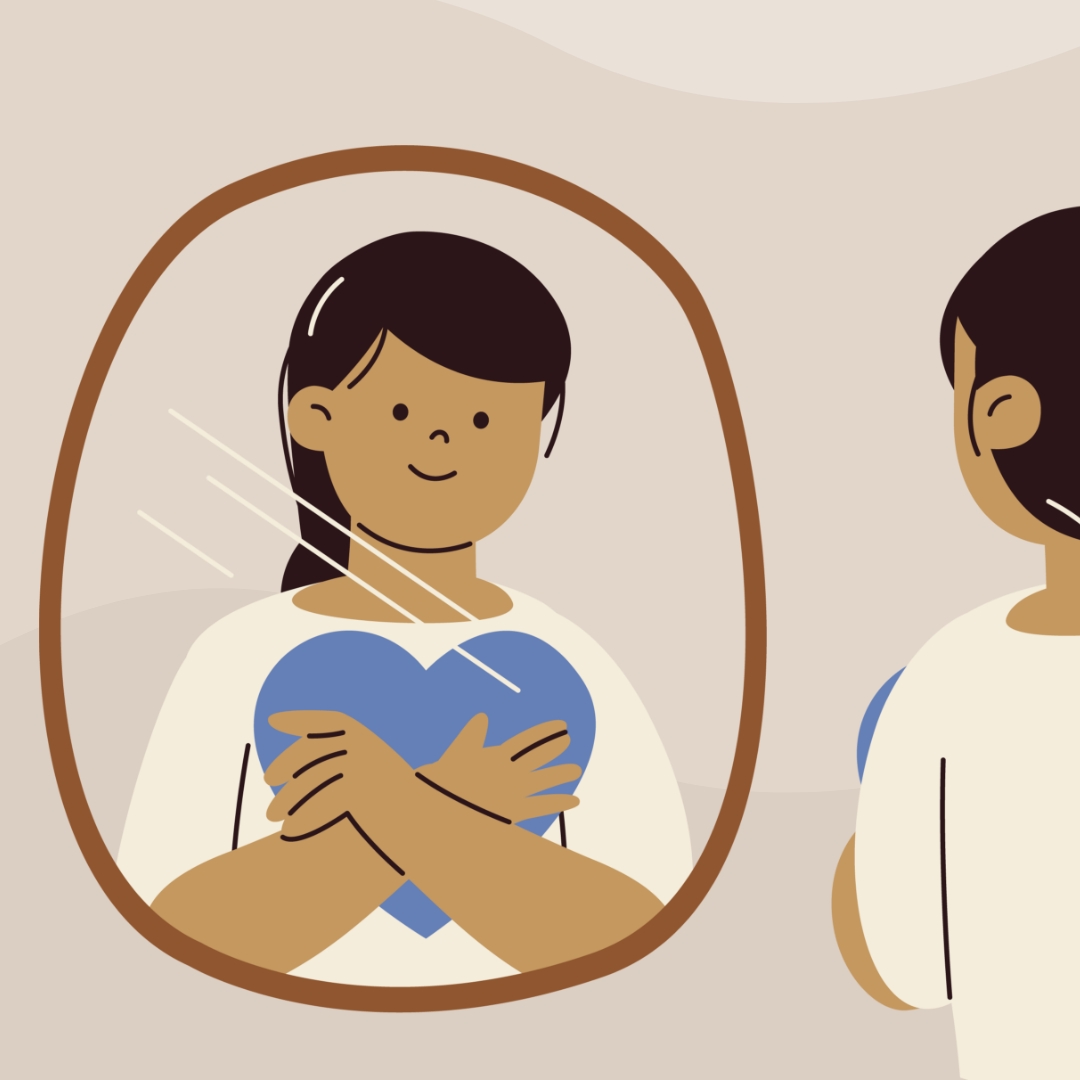
I've been noticing the ways I can be rude, in person and on my phone. This week I share two recent examples of my own, plus why correcting myself out loud strengthens self-awareness. The talk that follows isn't about your kid. It's about you going first.
READ MORE >
An Oakland library has started lending out sports equipment and games alongside books, so families can borrow gear to use at nearby parks. It is a reminder that borrowing and lending between families is a simple way to fill a summer afternoon without a screen, while quietly modelling generosity and humility. We are out of practice at asking, but the person on the other end is usually glad to help.
READ MORE >
E-readers are convenient, but there are three reasons to lean toward paper books this summer. First, e-readers are screens, and the pull of everything else you could do on one makes it harder to stay immersed. Second, a large meta-analysis found people understand and remember slightly better on paper, especially with longer texts. Third, easy access to endless book samples makes it too tempting to jump ship rather than work through the slower parts, since reading, unlike TikTok, is about delayed gratification.
READ MORE >for more like this, DR. DELANEY RUSTON'S NEW BOOK, PARENTING IN THE SCREEN AGE, IS THE DEFINITIVE GUIDE FOR TODAY’S PARENTS. WITH INSIGHTS ON SCREEN TIME FROM RESEARCHERS, INPUT FROM KIDS & TEENS, THIS BOOK IS PACKED WITH SOLUTIONS FOR HOW TO START AND SUSTAIN PRODUCTIVE FAMILY TALKS ABOUT TECHNOLOGY AND IT’S IMPACT ON OUR MENTAL WELLBEING.