


E-readers are convenient, but there are three reasons to lean toward paper books this summer. First, e-readers are screens, and the pull of everything else you could do on one makes it harder to stay immersed. Second, a large meta-analysis found people understand and remember slightly better on paper, especially with longer texts. Third, easy access to endless book samples makes it too tempting to jump ship rather than work through the slower parts, since reading, unlike TikTok, is about delayed gratification.
There are convenient things about e-readers, that is for sure: having many books in one thin device, being able to buy books instantly, and, for some models, built-in lighting.
And your child or teen might be happily absorbed in a book on an e-reader right now. If that is the case, hallelujah, and let them finish their book.
But let me make three brief points about why you may want your child to have paper books this summer rather than an e-reader.
I was inspired to write this after talking with my son this weekend about how much we both love the act of reading a physical book, and never use Kindles. (I must admit that when I went backpacking last week, there was a moment when I wondered why I hadn't brought a Kindle instead of lugging my book. But I actually didn't have much of a choice, since I've either lost my past Kindles or they no longer work.)
I believe that screens have conditioned our kids and ourselves to think about all the things we can do on screens. This hasn't been proven, but it is my opinion.
So a child may be reading, but somewhere in their mind there may still be the pull of something else they could do on that screen, more so than if they were holding a paper book. Maybe it's Discord, Twitch, or a chatbot companion. I wonder whether that subtle pull can make it harder to stay fully immersed in a book and sustain attention for long periods of reading.


Learn more about showing our movies in your school or community!
Join Screenagers filmmaker Delaney Ruston MD for our latest Podcast

Learn more about our Screen-Free Sleep campaign at the website!
Our movie made for parents and educators of younger kids
Learn more about showing our movies in your school or community!
Register your interest in bringing our new movie to your school or community
A large meta-analysis, combining the results of dozens of studies, found that people generally understood and remembered what they read slightly better on paper than on screens, especially when reading longer texts under time pressure. Researchers have proposed several possible reasons, including the tactile experience of turning pages and having a physical sense of where you are in a book.
My son brought up another point. He said he loves having a visual sense of how far along he is in a book, something he doesn't get from an e-reader. I bet that physical sense of progress helps keep some of us more engaged.
Many e-readers, including Kindles, make it easy to browse and download samples of countless other books. My daughter used to do this all the time. Instead of sticking with one book, she'd start reading sample after sample, until we realized what was happening and encouraged her to read physical books more often.
A high school teacher told me something while I was filming him for our forthcoming movie Screenagers: Generation AI that has really stuck with me: Reading is about delayed gratification. Unlike TikTok, which delivers instant rewards, reading asks us to work through slower, sometimes even boring, sections before reaching the payoff.
What a great point. Why make it easier for our kids to step away from that experience by giving them a near-endless number of book samples they can switch to at any moment?
Learn more about showing our movies in your school or community!
Join Screenagers filmmaker Delaney Ruston MD for our latest Podcast
Learn more about our Screen-Free Sleep campaign at the website!
Our movie made for parents and educators of younger kids
Join Screenagers filmmaker Delaney Ruston MD for our latest Podcast
Register your interest in bringing our new movie to your school or community
Subscribe to our YouTube Channel! We add new videos regularly and you'll find over 100 videos covering parenting advice, guidance, podcasts, movie clips and more. Here's our most recent:

As we’re about to celebrate 10 years of Screenagers, we want to hear what’s been most helpful and what you’d like to see next.
Please click here to share your thoughts with us in our community survey. It only takes 5–10 minutes, and everyone who completes it will be entered to win one of five $50 Amazon vouchers.
There are convenient things about e-readers, that is for sure: having many books in one thin device, being able to buy books instantly, and, for some models, built-in lighting.
And your child or teen might be happily absorbed in a book on an e-reader right now. If that is the case, hallelujah, and let them finish their book.
But let me make three brief points about why you may want your child to have paper books this summer rather than an e-reader.
I was inspired to write this after talking with my son this weekend about how much we both love the act of reading a physical book, and never use Kindles. (I must admit that when I went backpacking last week, there was a moment when I wondered why I hadn't brought a Kindle instead of lugging my book. But I actually didn't have much of a choice, since I've either lost my past Kindles or they no longer work.)
I believe that screens have conditioned our kids and ourselves to think about all the things we can do on screens. This hasn't been proven, but it is my opinion.
So a child may be reading, but somewhere in their mind there may still be the pull of something else they could do on that screen, more so than if they were holding a paper book. Maybe it's Discord, Twitch, or a chatbot companion. I wonder whether that subtle pull can make it harder to stay fully immersed in a book and sustain attention for long periods of reading.
A large meta-analysis, combining the results of dozens of studies, found that people generally understood and remembered what they read slightly better on paper than on screens, especially when reading longer texts under time pressure. Researchers have proposed several possible reasons, including the tactile experience of turning pages and having a physical sense of where you are in a book.
My son brought up another point. He said he loves having a visual sense of how far along he is in a book, something he doesn't get from an e-reader. I bet that physical sense of progress helps keep some of us more engaged.
Many e-readers, including Kindles, make it easy to browse and download samples of countless other books. My daughter used to do this all the time. Instead of sticking with one book, she'd start reading sample after sample, until we realized what was happening and encouraged her to read physical books more often.
A high school teacher told me something while I was filming him for our forthcoming movie Screenagers: Generation AI that has really stuck with me: Reading is about delayed gratification. Unlike TikTok, which delivers instant rewards, reading asks us to work through slower, sometimes even boring, sections before reaching the payoff.
What a great point. Why make it easier for our kids to step away from that experience by giving them a near-endless number of book samples they can switch to at any moment?
Subscribe to our YouTube Channel! We add new videos regularly and you'll find over 100 videos covering parenting advice, guidance, podcasts, movie clips and more. Here's our most recent:
Sign up here to receive the weekly Tech Talk Tuesdays newsletter from Screenagers filmmaker Delaney Ruston MD.
We respect your privacy.
There are convenient things about e-readers, that is for sure: having many books in one thin device, being able to buy books instantly, and, for some models, built-in lighting.
And your child or teen might be happily absorbed in a book on an e-reader right now. If that is the case, hallelujah, and let them finish their book.
But let me make three brief points about why you may want your child to have paper books this summer rather than an e-reader.
I was inspired to write this after talking with my son this weekend about how much we both love the act of reading a physical book, and never use Kindles. (I must admit that when I went backpacking last week, there was a moment when I wondered why I hadn't brought a Kindle instead of lugging my book. But I actually didn't have much of a choice, since I've either lost my past Kindles or they no longer work.)
I believe that screens have conditioned our kids and ourselves to think about all the things we can do on screens. This hasn't been proven, but it is my opinion.
So a child may be reading, but somewhere in their mind there may still be the pull of something else they could do on that screen, more so than if they were holding a paper book. Maybe it's Discord, Twitch, or a chatbot companion. I wonder whether that subtle pull can make it harder to stay fully immersed in a book and sustain attention for long periods of reading.
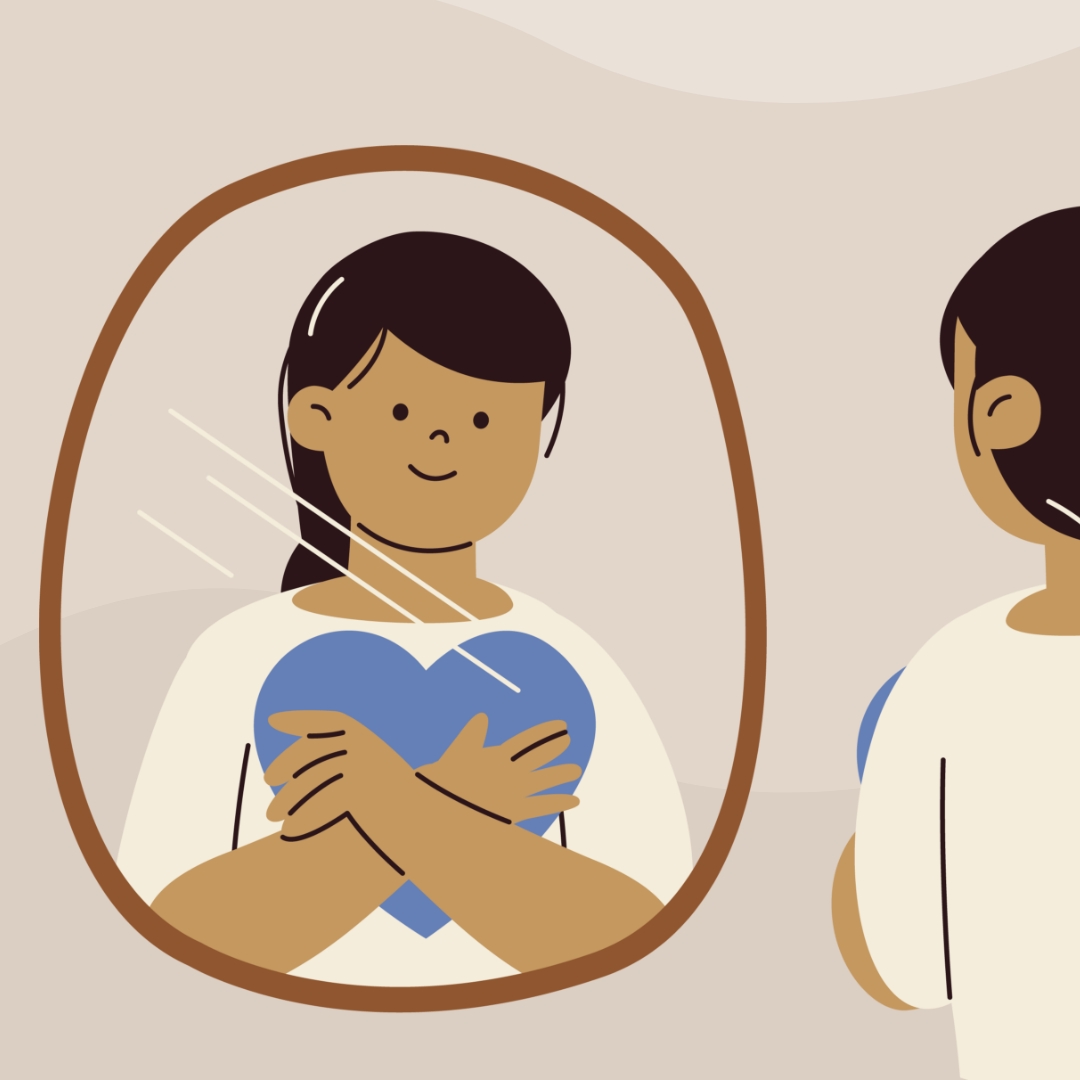
I've been noticing the ways I can be rude, in person and on my phone. This week I share two recent examples of my own, plus why correcting myself out loud strengthens self-awareness. The talk that follows isn't about your kid. It's about you going first.
READ MORE >
An Oakland library has started lending out sports equipment and games alongside books, so families can borrow gear to use at nearby parks. It is a reminder that borrowing and lending between families is a simple way to fill a summer afternoon without a screen, while quietly modelling generosity and humility. We are out of practice at asking, but the person on the other end is usually glad to help.
READ MORE >
Summer's wide open hours raise two perennial questions: how to reset screen time once the school-year structure disappears, and how to fill the freed-up days with things that are good for kids and parents alike. This week rounds up seven favorite past summer posts to help with both.
READ MORE >for more like this, DR. DELANEY RUSTON'S NEW BOOK, PARENTING IN THE SCREEN AGE, IS THE DEFINITIVE GUIDE FOR TODAY’S PARENTS. WITH INSIGHTS ON SCREEN TIME FROM RESEARCHERS, INPUT FROM KIDS & TEENS, THIS BOOK IS PACKED WITH SOLUTIONS FOR HOW TO START AND SUSTAIN PRODUCTIVE FAMILY TALKS ABOUT TECHNOLOGY AND IT’S IMPACT ON OUR MENTAL WELLBEING.