


Some of the best moments as parents come from exposing our kids to the wonders of the world — starting from the warmth of human skin, to the soft cotton of a dry blanket, to the thrills of watching a garbage truck drive by, to the workings of a musical instrument, to the fun of a soccer ball. The list goes on. It is such an honor and privilege, and I fully believe our job, to introduce our children to all sorts of things, people, and experiences while they are growing up.
And before I delve into this TTT, I want to suggest showing your child (yourself or your classroom) something that will make them laugh while maturing their souls. It is one of my favorite films I ever made that few people have seen. It is 6 minutes and involves a funny partnership between my family and kids we had befriended while in India. You will see my 17-year old daughter, Tessa, back when she was just 10. Here it is THE MAKING OF INDIA'S FIRST KIDS FLASH MOB DANCE.
My childhood was filled with many experiences where my parents brought me to places where I was the only kid in the crowd. I grew a lot from such experiences. My dad brought me to poetry readings, cafes to play chess with adults, and to the horse races. My mom loved international dance classes and, starting at 5 years old, I would sit on the sidelines while she danced. Pretty soon it was clear I was not a good sitter and started joining in. By age 6, I would perform alongside the adults in their little shows. I remember the pride I felt when I had a solo at a small restaurant. More importantly, having the warmth and support of all the women in the class week after week was a healing force in my very chaotic childhood.
My kids have also often been the only young people in an audience and they tell me how grateful they are for these exposures – even though at times I know they felt a bit self-conscious. Here is an example. Some years ago, Simon Sinek was coming to speak in Seattle about leadership and I took my teens. It was actually my son’s birthday but he had seen Simon’s TED Talk and wanted to go. During the Q & A, I asked Simon his views on how hours of video gaming could be impacting leadership skills in our youth. His answer was so fascinating that later I asked if he would be in the film I was working on (Screenagers) and he enthusiastically agreed to do so.
There are many other examples of places I have taken my kids where they were nearly the only youth in the audience—talks given by congresspeople, rallies, improv shows at small theaters, temples, churches, art shows, lectures about science, and the list goes on.
When we involve young people in more adult-focused activities, we are showing them that we value and respect their insights. We want to hear their reaction to important issues. We are also conveying that we know they have creative and leadership qualities and want to give them examples of ways they might employ such traits as adults. This is a quote I love from my father-in-law, Parker Small, and it is related to what I am talking about, “We don’t mature in preparation for responsibility, we mature as a result of it.“
My kids are not always excited to go, but with some compromises on my part—like promising they get to choose other things to do together that day or how we can leave early if need be— they generally agree. We certainly have had our duds, and then I sheepishly whisper that we can leave at intermission. But more often than not, we get something out of these experiences—in part because I do homework before presenting my suggestions. I search online for speakers’ short videos to ensure they will be engaging.
With free time often equalling screen time (for both kids and adults), how do we ensure we take the time to expose our kids to real life people of different backgrounds, to people doing different careers, people creating art, and people working to improve the world?
1. Since it is still January—the New Year—now is a great time to put some activities on the calendar for the upcoming months to ensure they happen (and not get passed over by the convenience of yet another Netflix movie). Is there a dance performance or recital in your area? Is a speaker coming to town?
2. Talk with other parents to plan an event. My friend gets people to donate $5 to $10 a week, and they have a yoga teacher come to a house and lead some adults and teens through a class. Maybe have a few parents organize food making at someone’s home with the kids—perhaps apple pie making, simple sushi, or wontons (something hands on is great fun and lots of conversations happen between the adults and kids). Or, plan to see a talk altogether.
3. Give kids a say in things. For example, you want to take them to a museum, but they moan and groan. Tell them that if they want to leave after 20 minutes, you will be perfectly fine with that decision—and if they want to stay that will be even better! Have you considered bringing them to a city council meeting? If you are bringing them to an art outing, share this little story: “When Facebook asked us to show Screenagers there, we visited their offices which are filled floor-to-ceiling with pieces of art. Facebook works with all sorts of artists because they know how key it is that their employees think outside of the box.”
We would love for you to share this TTT any way that works for you, whether that’s on social media or via a newsletter. If you want to send it out in your newsletter we just ask that you credit us and link to our website, and let us know at lisa@screenagersmovie.com.
HOST A SCREENING to help spark change.
FIND EVENT LISTINGS
Do you organize professional development in schools? We now have a 6-hour, 3-part training module. Request more information here Professional Development.
Stay in touch with the Screenagers community on Facebook, Twitter and leave comments below.


Learn more about showing our movies in your school or community!
Join Screenagers filmmaker Delaney Ruston MD for our latest Podcast

Learn more about our Screen-Free Sleep campaign at the website!
Our movie made for parents and educators of younger kids
Learn more about showing our movies in your school or community!
Register your interest in bringing our new movie to your school or community
Learn more about showing our movies in your school or community!
Join Screenagers filmmaker Delaney Ruston MD for our latest Podcast
Learn more about our Screen-Free Sleep campaign at the website!
Our movie made for parents and educators of younger kids
Join Screenagers filmmaker Delaney Ruston MD for our latest Podcast
Register your interest in bringing our new movie to your school or community

As we’re about to celebrate 10 years of Screenagers, we want to hear what’s been most helpful and what you’d like to see next.
Please click here to share your thoughts with us in our community survey. It only takes 5–10 minutes, and everyone who completes it will be entered to win one of five $50 Amazon vouchers.
Some of the best moments as parents come from exposing our kids to the wonders of the world — starting from the warmth of human skin, to the soft cotton of a dry blanket, to the thrills of watching a garbage truck drive by, to the workings of a musical instrument, to the fun of a soccer ball. The list goes on. It is such an honor and privilege, and I fully believe our job, to introduce our children to all sorts of things, people, and experiences while they are growing up.
And before I delve into this TTT, I want to suggest showing your child (yourself or your classroom) something that will make them laugh while maturing their souls. It is one of my favorite films I ever made that few people have seen. It is 6 minutes and involves a funny partnership between my family and kids we had befriended while in India. You will see my 17-year old daughter, Tessa, back when she was just 10. Here it is THE MAKING OF INDIA'S FIRST KIDS FLASH MOB DANCE.
My childhood was filled with many experiences where my parents brought me to places where I was the only kid in the crowd. I grew a lot from such experiences. My dad brought me to poetry readings, cafes to play chess with adults, and to the horse races. My mom loved international dance classes and, starting at 5 years old, I would sit on the sidelines while she danced. Pretty soon it was clear I was not a good sitter and started joining in. By age 6, I would perform alongside the adults in their little shows. I remember the pride I felt when I had a solo at a small restaurant. More importantly, having the warmth and support of all the women in the class week after week was a healing force in my very chaotic childhood.
My kids have also often been the only young people in an audience and they tell me how grateful they are for these exposures – even though at times I know they felt a bit self-conscious. Here is an example. Some years ago, Simon Sinek was coming to speak in Seattle about leadership and I took my teens. It was actually my son’s birthday but he had seen Simon’s TED Talk and wanted to go. During the Q & A, I asked Simon his views on how hours of video gaming could be impacting leadership skills in our youth. His answer was so fascinating that later I asked if he would be in the film I was working on (Screenagers) and he enthusiastically agreed to do so.
There are many other examples of places I have taken my kids where they were nearly the only youth in the audience—talks given by congresspeople, rallies, improv shows at small theaters, temples, churches, art shows, lectures about science, and the list goes on.
When we involve young people in more adult-focused activities, we are showing them that we value and respect their insights. We want to hear their reaction to important issues. We are also conveying that we know they have creative and leadership qualities and want to give them examples of ways they might employ such traits as adults. This is a quote I love from my father-in-law, Parker Small, and it is related to what I am talking about, “We don’t mature in preparation for responsibility, we mature as a result of it.“
My kids are not always excited to go, but with some compromises on my part—like promising they get to choose other things to do together that day or how we can leave early if need be— they generally agree. We certainly have had our duds, and then I sheepishly whisper that we can leave at intermission. But more often than not, we get something out of these experiences—in part because I do homework before presenting my suggestions. I search online for speakers’ short videos to ensure they will be engaging.
With free time often equalling screen time (for both kids and adults), how do we ensure we take the time to expose our kids to real life people of different backgrounds, to people doing different careers, people creating art, and people working to improve the world?
1. Since it is still January—the New Year—now is a great time to put some activities on the calendar for the upcoming months to ensure they happen (and not get passed over by the convenience of yet another Netflix movie). Is there a dance performance or recital in your area? Is a speaker coming to town?
2. Talk with other parents to plan an event. My friend gets people to donate $5 to $10 a week, and they have a yoga teacher come to a house and lead some adults and teens through a class. Maybe have a few parents organize food making at someone’s home with the kids—perhaps apple pie making, simple sushi, or wontons (something hands on is great fun and lots of conversations happen between the adults and kids). Or, plan to see a talk altogether.
3. Give kids a say in things. For example, you want to take them to a museum, but they moan and groan. Tell them that if they want to leave after 20 minutes, you will be perfectly fine with that decision—and if they want to stay that will be even better! Have you considered bringing them to a city council meeting? If you are bringing them to an art outing, share this little story: “When Facebook asked us to show Screenagers there, we visited their offices which are filled floor-to-ceiling with pieces of art. Facebook works with all sorts of artists because they know how key it is that their employees think outside of the box.”
We would love for you to share this TTT any way that works for you, whether that’s on social media or via a newsletter. If you want to send it out in your newsletter we just ask that you credit us and link to our website, and let us know at lisa@screenagersmovie.com.
HOST A SCREENING to help spark change.
FIND EVENT LISTINGS
Do you organize professional development in schools? We now have a 6-hour, 3-part training module. Request more information here Professional Development.
Stay in touch with the Screenagers community on Facebook, Twitter and leave comments below.
Sign up here to receive the weekly Tech Talk Tuesdays newsletter from Screenagers filmmaker Delaney Ruston MD.
We respect your privacy.
Some of the best moments as parents come from exposing our kids to the wonders of the world — starting from the warmth of human skin, to the soft cotton of a dry blanket, to the thrills of watching a garbage truck drive by, to the workings of a musical instrument, to the fun of a soccer ball. The list goes on. It is such an honor and privilege, and I fully believe our job, to introduce our children to all sorts of things, people, and experiences while they are growing up.
And before I delve into this TTT, I want to suggest showing your child (yourself or your classroom) something that will make them laugh while maturing their souls. It is one of my favorite films I ever made that few people have seen. It is 6 minutes and involves a funny partnership between my family and kids we had befriended while in India. You will see my 17-year old daughter, Tessa, back when she was just 10. Here it is THE MAKING OF INDIA'S FIRST KIDS FLASH MOB DANCE.
My childhood was filled with many experiences where my parents brought me to places where I was the only kid in the crowd. I grew a lot from such experiences. My dad brought me to poetry readings, cafes to play chess with adults, and to the horse races. My mom loved international dance classes and, starting at 5 years old, I would sit on the sidelines while she danced. Pretty soon it was clear I was not a good sitter and started joining in. By age 6, I would perform alongside the adults in their little shows. I remember the pride I felt when I had a solo at a small restaurant. More importantly, having the warmth and support of all the women in the class week after week was a healing force in my very chaotic childhood.
My kids have also often been the only young people in an audience and they tell me how grateful they are for these exposures – even though at times I know they felt a bit self-conscious. Here is an example. Some years ago, Simon Sinek was coming to speak in Seattle about leadership and I took my teens. It was actually my son’s birthday but he had seen Simon’s TED Talk and wanted to go. During the Q & A, I asked Simon his views on how hours of video gaming could be impacting leadership skills in our youth. His answer was so fascinating that later I asked if he would be in the film I was working on (Screenagers) and he enthusiastically agreed to do so.
There are many other examples of places I have taken my kids where they were nearly the only youth in the audience—talks given by congresspeople, rallies, improv shows at small theaters, temples, churches, art shows, lectures about science, and the list goes on.
When we involve young people in more adult-focused activities, we are showing them that we value and respect their insights. We want to hear their reaction to important issues. We are also conveying that we know they have creative and leadership qualities and want to give them examples of ways they might employ such traits as adults. This is a quote I love from my father-in-law, Parker Small, and it is related to what I am talking about, “We don’t mature in preparation for responsibility, we mature as a result of it.“
My kids are not always excited to go, but with some compromises on my part—like promising they get to choose other things to do together that day or how we can leave early if need be— they generally agree. We certainly have had our duds, and then I sheepishly whisper that we can leave at intermission. But more often than not, we get something out of these experiences—in part because I do homework before presenting my suggestions. I search online for speakers’ short videos to ensure they will be engaging.
With free time often equalling screen time (for both kids and adults), how do we ensure we take the time to expose our kids to real life people of different backgrounds, to people doing different careers, people creating art, and people working to improve the world?
1. Since it is still January—the New Year—now is a great time to put some activities on the calendar for the upcoming months to ensure they happen (and not get passed over by the convenience of yet another Netflix movie). Is there a dance performance or recital in your area? Is a speaker coming to town?
2. Talk with other parents to plan an event. My friend gets people to donate $5 to $10 a week, and they have a yoga teacher come to a house and lead some adults and teens through a class. Maybe have a few parents organize food making at someone’s home with the kids—perhaps apple pie making, simple sushi, or wontons (something hands on is great fun and lots of conversations happen between the adults and kids). Or, plan to see a talk altogether.
3. Give kids a say in things. For example, you want to take them to a museum, but they moan and groan. Tell them that if they want to leave after 20 minutes, you will be perfectly fine with that decision—and if they want to stay that will be even better! Have you considered bringing them to a city council meeting? If you are bringing them to an art outing, share this little story: “When Facebook asked us to show Screenagers there, we visited their offices which are filled floor-to-ceiling with pieces of art. Facebook works with all sorts of artists because they know how key it is that their employees think outside of the box.”
We would love for you to share this TTT any way that works for you, whether that’s on social media or via a newsletter. If you want to send it out in your newsletter we just ask that you credit us and link to our website, and let us know at lisa@screenagersmovie.com.
HOST A SCREENING to help spark change.
FIND EVENT LISTINGS
Do you organize professional development in schools? We now have a 6-hour, 3-part training module. Request more information here Professional Development.
Stay in touch with the Screenagers community on Facebook, Twitter and leave comments below.
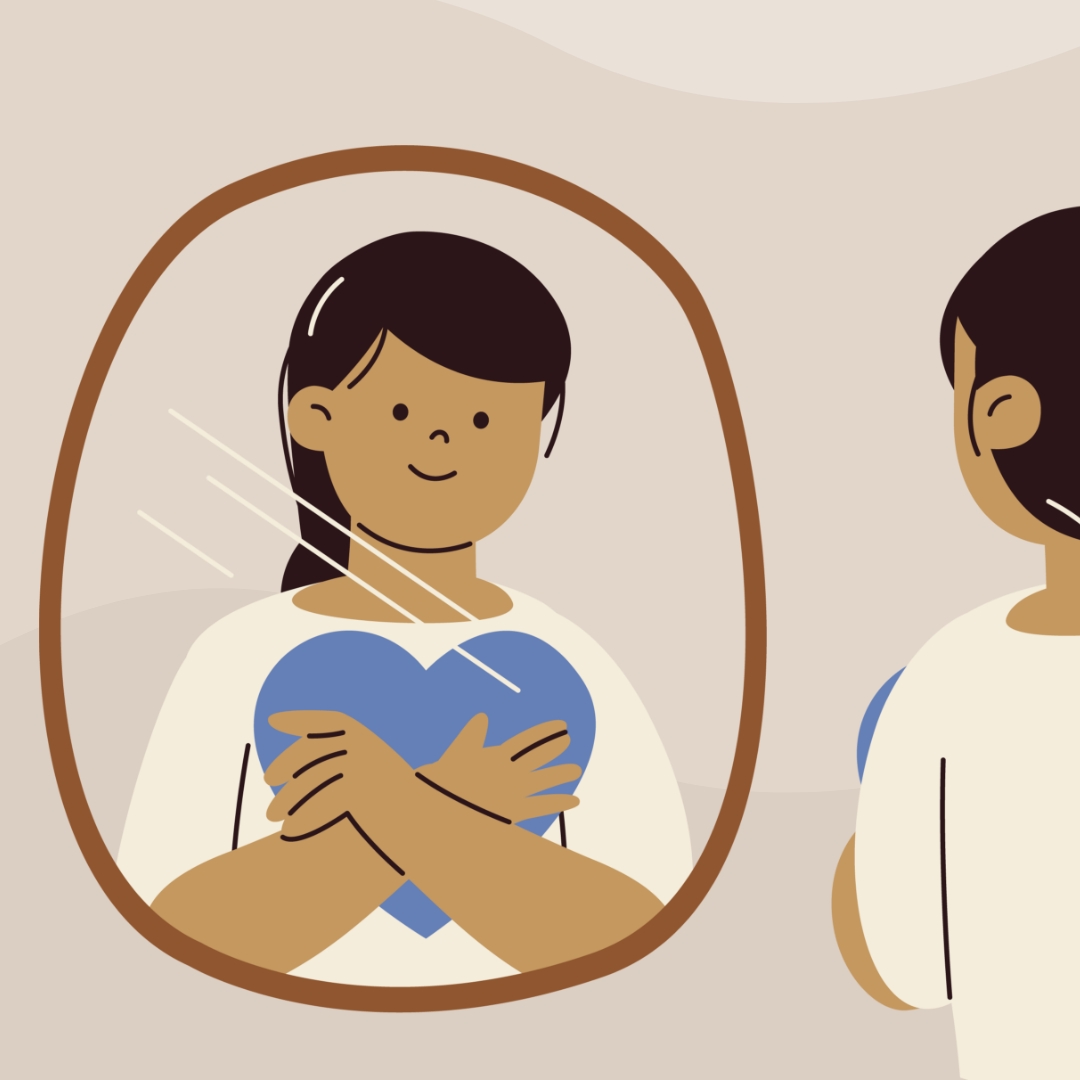
I've been noticing the ways I can be rude, in person and on my phone. This week I share two recent examples of my own, plus why correcting myself out loud strengthens self-awareness. The talk that follows isn't about your kid. It's about you going first.
READ MORE >
An Oakland library has started lending out sports equipment and games alongside books, so families can borrow gear to use at nearby parks. It is a reminder that borrowing and lending between families is a simple way to fill a summer afternoon without a screen, while quietly modelling generosity and humility. We are out of practice at asking, but the person on the other end is usually glad to help.
READ MORE >
E-readers are convenient, but there are three reasons to lean toward paper books this summer. First, e-readers are screens, and the pull of everything else you could do on one makes it harder to stay immersed. Second, a large meta-analysis found people understand and remember slightly better on paper, especially with longer texts. Third, easy access to endless book samples makes it too tempting to jump ship rather than work through the slower parts, since reading, unlike TikTok, is about delayed gratification.
READ MORE >for more like this, DR. DELANEY RUSTON'S NEW BOOK, PARENTING IN THE SCREEN AGE, IS THE DEFINITIVE GUIDE FOR TODAY’S PARENTS. WITH INSIGHTS ON SCREEN TIME FROM RESEARCHERS, INPUT FROM KIDS & TEENS, THIS BOOK IS PACKED WITH SOLUTIONS FOR HOW TO START AND SUSTAIN PRODUCTIVE FAMILY TALKS ABOUT TECHNOLOGY AND IT’S IMPACT ON OUR MENTAL WELLBEING.