

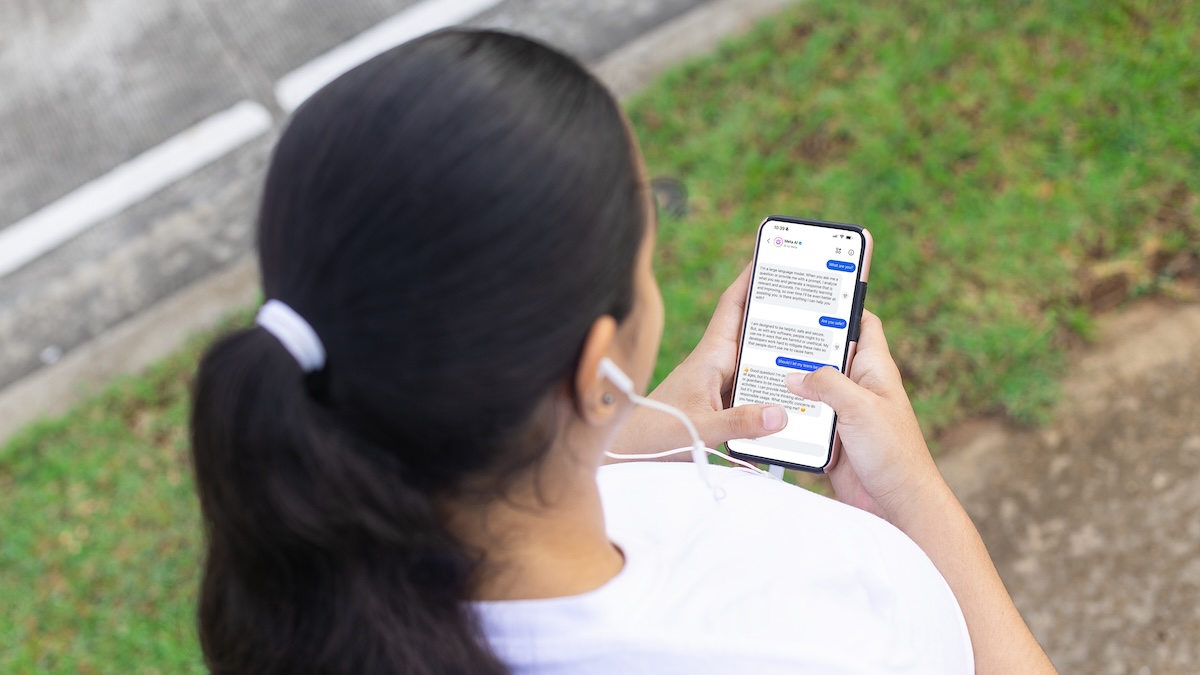

Snapchat and Instagram both have AI chatbots built in by default, with no way to fully disable them. Meta's own internal documents revealed policy decisions that allowed minors to receive romantic and sexual content from its AI systems. Meanwhile, Snapchat's premium AI features are designed to increase engagement, and Meta is now using teens' AI conversations to target them with personalized ads.
Back in 2024, I wrote about Snapchat having their My AI chatbot at the top of every user's chat feed, with no way to opt out except by paying for Snapchat Plus. No joke.
And even then, Snapchat+ only let users unpin it from that location, thereby hiding it rather than removing it.
Instagram also has an AI chatbot for all Instagram accounts. There’s no opt-in, it’s just automatically there.
And if you have followed the recent lawsuit against Meta, you may have heard about Meta’s internal documents revealing that their policies allowed minors to be served romantic and sexual content by their AI systems. When AI chatbots acted in this way, they created more engagement.
When companies are not only failing to make their platforms safe but also actively serving this type of content to kids, that is horrifying.
Today, I’m looking at the AI features embedded in Snap and Instagram and some concerns I have about them. Two things I’m not covering today are AI-generated content and the social media platform’s algorithmic curation, which is a type of AI.
As I mentioned, Snapchat has My AI at the top of every user's "friend page". It’s a chatbot similar to ChatGPT. It can answer questions, give advice, etc. Users can personalize their avatar. One has to pay for Snapchat+ ($3.99 a month) to hide it from view. You can't fully delete or disable it.
Examples of features that come with this monthly subscription:
I have written quite a bit about how chatbots are a real issue, and I’m not alone.
Teens themselves are sounding the alarm about environmental impact, starting to rely on them for advice on how to text or talk with someone, using them as a friend instead of other people, and the list goes on.
And the premium AI tools only add fuel to the fire, with features designed to keep users on the platform longer.


Learn more about showing our movies in your school or community!
Join Screenagers filmmaker Delaney Ruston MD for our latest Podcast

Learn more about our Screen-Free Sleep campaign at the website!
Our movie made for parents and educators of younger kids
Learn more about showing our movies in your school or community!
Register your interest in bringing our new movie to your school or community
Meta AI is available on Instagram (as well as WhatsApp and Facebook). It sits in the search bar, in DMs, in comments by default.
There is no way to disable Meta AI.
Anyone can create an AI character based on their interests, and creators can even build an AI extension of themselves.
Given this conversational chatbot, there are all the risks associated with that, which I mentioned some at the start of the blog.
In addition there is a specific, well-documented problem: safeguards eroding over time.
Meta has indicated it will not allow sexualized conversations with its AI, but no safeguard is foolproof, and with AI chatbots, extended conversations are where those protections tend to break down most.
The chatbot starts off refusing to engage in certain types of conversations, but then starts doing so over time.
Also concerning is that, as of a few months ago, Meta is using interactions with Meta AI to personalize ads across Instagram. When a person chats with Meta AI about their hobbies, plans, etc, those conversations are now available for advertisers to see!
Teens’ conversations are being used to target them with ads. Users need to know this!
Learn more about showing our movies in your school or community!
Join Screenagers filmmaker Delaney Ruston MD for our latest Podcast
Learn more about our Screen-Free Sleep campaign at the website!
Our movie made for parents and educators of younger kids
Join Screenagers filmmaker Delaney Ruston MD for our latest Podcast
Register your interest in bringing our new movie to your school or community
Subscribe to our YouTube Channel! We add new videos regularly and you'll find over 100 videos covering parenting advice, guidance, podcasts, movie clips and more. Here's our most recent:

As we’re about to celebrate 10 years of Screenagers, we want to hear what’s been most helpful and what you’d like to see next.
Please click here to share your thoughts with us in our community survey. It only takes 5–10 minutes, and everyone who completes it will be entered to win one of five $50 Amazon vouchers.
Back in 2024, I wrote about Snapchat having their My AI chatbot at the top of every user's chat feed, with no way to opt out except by paying for Snapchat Plus. No joke.
And even then, Snapchat+ only let users unpin it from that location, thereby hiding it rather than removing it.
Instagram also has an AI chatbot for all Instagram accounts. There’s no opt-in, it’s just automatically there.
And if you have followed the recent lawsuit against Meta, you may have heard about Meta’s internal documents revealing that their policies allowed minors to be served romantic and sexual content by their AI systems. When AI chatbots acted in this way, they created more engagement.
When companies are not only failing to make their platforms safe but also actively serving this type of content to kids, that is horrifying.
Today, I’m looking at the AI features embedded in Snap and Instagram and some concerns I have about them. Two things I’m not covering today are AI-generated content and the social media platform’s algorithmic curation, which is a type of AI.
As I mentioned, Snapchat has My AI at the top of every user's "friend page". It’s a chatbot similar to ChatGPT. It can answer questions, give advice, etc. Users can personalize their avatar. One has to pay for Snapchat+ ($3.99 a month) to hide it from view. You can't fully delete or disable it.
Examples of features that come with this monthly subscription:
I have written quite a bit about how chatbots are a real issue, and I’m not alone.
Teens themselves are sounding the alarm about environmental impact, starting to rely on them for advice on how to text or talk with someone, using them as a friend instead of other people, and the list goes on.
And the premium AI tools only add fuel to the fire, with features designed to keep users on the platform longer.
Meta AI is available on Instagram (as well as WhatsApp and Facebook). It sits in the search bar, in DMs, in comments by default.
There is no way to disable Meta AI.
Anyone can create an AI character based on their interests, and creators can even build an AI extension of themselves.
Given this conversational chatbot, there are all the risks associated with that, which I mentioned some at the start of the blog.
In addition there is a specific, well-documented problem: safeguards eroding over time.
Meta has indicated it will not allow sexualized conversations with its AI, but no safeguard is foolproof, and with AI chatbots, extended conversations are where those protections tend to break down most.
The chatbot starts off refusing to engage in certain types of conversations, but then starts doing so over time.
Also concerning is that, as of a few months ago, Meta is using interactions with Meta AI to personalize ads across Instagram. When a person chats with Meta AI about their hobbies, plans, etc, those conversations are now available for advertisers to see!
Teens’ conversations are being used to target them with ads. Users need to know this!
Subscribe to our YouTube Channel! We add new videos regularly and you'll find over 100 videos covering parenting advice, guidance, podcasts, movie clips and more. Here's our most recent:
Sign up here to receive the weekly Tech Talk Tuesdays newsletter from Screenagers filmmaker Delaney Ruston MD.
We respect your privacy.
Back in 2024, I wrote about Snapchat having their My AI chatbot at the top of every user's chat feed, with no way to opt out except by paying for Snapchat Plus. No joke.
And even then, Snapchat+ only let users unpin it from that location, thereby hiding it rather than removing it.
Instagram also has an AI chatbot for all Instagram accounts. There’s no opt-in, it’s just automatically there.
And if you have followed the recent lawsuit against Meta, you may have heard about Meta’s internal documents revealing that their policies allowed minors to be served romantic and sexual content by their AI systems. When AI chatbots acted in this way, they created more engagement.
When companies are not only failing to make their platforms safe but also actively serving this type of content to kids, that is horrifying.
Today, I’m looking at the AI features embedded in Snap and Instagram and some concerns I have about them. Two things I’m not covering today are AI-generated content and the social media platform’s algorithmic curation, which is a type of AI.
As I mentioned, Snapchat has My AI at the top of every user's "friend page". It’s a chatbot similar to ChatGPT. It can answer questions, give advice, etc. Users can personalize their avatar. One has to pay for Snapchat+ ($3.99 a month) to hide it from view. You can't fully delete or disable it.
Examples of features that come with this monthly subscription:
I have written quite a bit about how chatbots are a real issue, and I’m not alone.
Teens themselves are sounding the alarm about environmental impact, starting to rely on them for advice on how to text or talk with someone, using them as a friend instead of other people, and the list goes on.
And the premium AI tools only add fuel to the fire, with features designed to keep users on the platform longer.
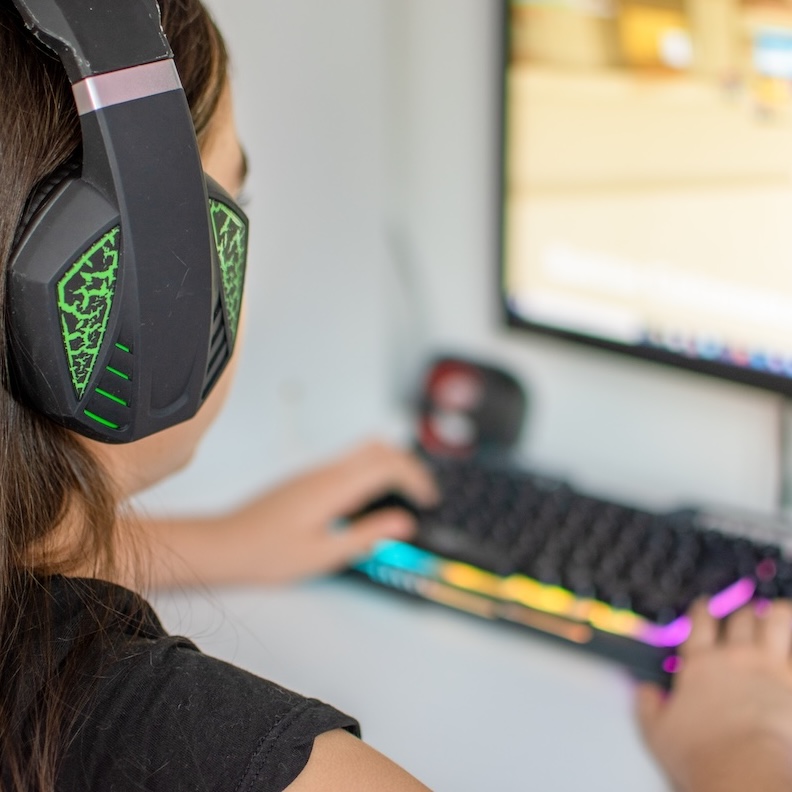
AI-powered game characters that kids can actually talk with are starting to appear. It's an emerging trend with real concerns, from privacy to kids turning to AI for support. I share where it's showing up and three questions to ask kids who game.
READ MORE >
AI can do remarkable things, but the risks to young people are here now, from deepfakes and sextortion to AI companions linked to teen suicides. In Screenagers: Generation AI, we look at why AI literacy belongs in schools, meaning critical thinking about how AI works and who designed it, not just how to use it. I share what a few states are starting to mandate, and why this can't sit with parents alone.
READ MORE >
Adam's Law was signed in California last week, named for Adam Raine, the 16-year-old who died by suicide in April 2025 after months of conversations with ChatGPT. It bars companion chatbots from encouraging self-harm, claiming to be human, simulating romantic interest in children, or claiming a special understanding of a child. That last group of protections particularly gets my attention. The good news is that people care deeply and are working hard to put guardrails in place, but we can't assume it's all resolved, because it isn't.
READ MORE >for more like this, DR. DELANEY RUSTON'S NEW BOOK, PARENTING IN THE SCREEN AGE, IS THE DEFINITIVE GUIDE FOR TODAY’S PARENTS. WITH INSIGHTS ON SCREEN TIME FROM RESEARCHERS, INPUT FROM KIDS & TEENS, THIS BOOK IS PACKED WITH SOLUTIONS FOR HOW TO START AND SUSTAIN PRODUCTIVE FAMILY TALKS ABOUT TECHNOLOGY AND IT’S IMPACT ON OUR MENTAL WELLBEING.