


I am happy to share the latest episode of The Screenagers Podcast, which features my guest, New York Times best-selling author and adolescent psychologist Lisa Damour, Ph.D., discussing how to have healthier conflicts with our kids.
The research shows that having a well-done conflict with our kids is associated with all sorts of positive benefits for them, such as better mental health and strong relationships.
Lisa Damour says, “When we practice that with our kids and show them that that's what healthy relationships look like. We have research showing that that's what they go out and look for in their relationships and that they hold that standard going forward.”
For this blog, I share some of the highlights of the podcast. These are just the tip of the iceberg because, in the episode, you will hear fascinating science, issues around phones and school, Lisa’s parenting rules, and many more tips on having productive and calmer conflicts around social media, video games, and more.
And if you share the podcast with even just one person, please email me and let me know. I want to thank you personally! delaney@screenagersmovie.com
And now for the good stuff...
Damour: “So if you know you've got something to say to your kid that they're not going to like, I think there's real value in saying, we need to have a hard conversation. And I want to talk with you. Those kinds of things appeal to the more mature, thoughtful, and broad-minded side of a kid and invite that part of the kid into the conversation.”
Damour also makes the point that letting our kids know they are capable of having hard conversations is another key phrase we can use.
Damour: “We have to remember that teenagers have very intense feelings, and their brakes are not always that great. And I think it happens all the time that a kid says something, and the second it's out of their mouth, they wish they had not said it. I think it is good to work with the assumption that may have happened with your kid.
Any one of these phrases is useful to use:
Lisa makes the point that when using such phrases, it is not uncommon for a child to say that they are sorry.
Damour goes on to say, “Often, kids will say, I'm sorry, or you're, I mean, you can usually stop it there. Other kids will be like, see you and raise you, right? Okay, do not engage. Do not engage with somebody who is being abusive. This is a rule for life. This includes your own kid. There are also not home rules, and the rest of the world rules.”
Another piece of great advice from Damour is, “... they're still hot and being nasty, you say, look, we don't talk that way in this house. And that has to be a true thing. Not all families can say that. If you can't say that, then you need to go back and own your part in setting that as a model. But ideally, you say, we don't talk that way to each other. You cool off, you come back. We're open to this conversation. Come back when you're ready.”
⬇️ Read on below for 3 more ways to ensure healthier parent-child conflicts ⬇️


Learn more about showing our movies in your school or community!
Join Screenagers filmmaker Delaney Ruston MD for our latest Podcast

Learn more about our Screen-Free Sleep campaign at the website!
Our movie made for parents and educators of younger kids
Learn more about showing our movies in your school or community!
Register your interest in bringing our new movie to your school or community
In this episode, Lisa Damour, Ph.D., Psychologist and Author of three New York Times best-selling books about adolescents, including “The Emotional Lives of Teenagers,” shares valuable advice for having healthier parent-child conflicts, particularly around screen time clashes.
Listen to the full episode here: Apple Podcasts // Spotify // Website // YouTube
Ruston: “Let's talk about when we mess up. You might have read something that popped up on their phone, but you didn't really mean to read it. It might be that you forgot that the rule was they got to be on the video game longer, and you forgot, and then you made them get off, and you realized you made a mistake.”
Damour: “Sometimes adults worry about apologizing to teenagers. They worry that it will undermine their authority if they say, I've made a mistake, and I owe you an apology, and I'm sorry. Here's the deal. Teenagers know when we have messed up and refusing to acknowledge it actually undermines our authority more than owning our mistakes. So that's not a good reason not to apologize to a teenager. I also think back to where we started with conflicts; we're modeling how they want to be.”
Damour goes on to say, “So we want them to expect that if the person they're in relationship with makes an error, that person can own the error and offer a good apology. Now, there's elaborate research on what constitutes a good apology. The first thing you need to say, ‘I have made an error, and I am sorry.’“
You actually have to say the words, ‘I am sorry. I owe you an apology.’ I am sorry. And then you can offer an explanation. But I like to say, “Here's an explanation, not an excuse. You know, I was exhausted; I lost track of the rule we had made. It has been a very long day. This is an explanation, not an excuse. Then, you offer reparations to make it right.
“You want ten extra minutes, right?” Like I cut you off and you know, do you want those minutes back? Or I'm, I'm even willing to give you 20, right. To make it right. And then you ask for forgiveness. I hope you feel you can forgive me. I understand if you can't, you can't make somebody forgive you. And then you have to make a promise and keep it to not do it again.”
Ruston: “In terms of conflict with my kids, I fell prey to wanting to readdress a conflict that we've had …and to kind of keep talking about things…when is it too much or not?”
Damour: “I feel like I learned a lot from raising my own teenagers but the biggest lesson I took from it is: don't hold a grudge. They can be short-tempered. They cannot always be as warm and friendly as we want them to be. Teenagers cycle through emotions and mood states pretty fast."
"I think it's very easy as a parent of a teenager to still be holding on to an interaction that happened two days ago and wanting to still revisit it and unpack it. If you feel like it's an impediment for both you and your kid to relate, then I think revisit it, but I think there's a lot of value in making it clear to our kids that we can move on from things.”
Learn more about showing our movies in your school or community!
Join Screenagers filmmaker Delaney Ruston MD for our latest Podcast
Learn more about our Screen-Free Sleep campaign at the website!
Our movie made for parents and educators of younger kids
Join Screenagers filmmaker Delaney Ruston MD for our latest Podcast
Register your interest in bringing our new movie to your school or community
Ruston: “I had to learn that our teens might actually still be angry at something we did years later. I told a psychologist I was interviewing for Screenagers Under the Influence about a time I had with my teen where I called a parent when he was in middle school about something and that my son is still frustrated with me about that. He couldn't just let go of it like we would love. And the psychologist said, yeah. He's still mad at you. That is ok.”
Damour: “So there are the things that we do that over time they come to see the wisdom of, and they're the things that we do they never are on board about. We, in retrospect, may think they're right. You know that they've got a good point. I think almost any parent can say, ‘I made the best decision I could with the information I had at the time.’”
Ruston: “Yeah. At the end of Screenagers Next Chapter, Tessa said, ‘One of the best things that you said to me, Mom, was that people are doing the best they can with the tools they have,’ and the same thing for our kids and our teens.”
With new videos posted every Tuesday and Friday, be sure to subscribe to our YouTube Channel! Here's our latest videos!

As we’re about to celebrate 10 years of Screenagers, we want to hear what’s been most helpful and what you’d like to see next.
Please click here to share your thoughts with us in our community survey. It only takes 5–10 minutes, and everyone who completes it will be entered to win one of five $50 Amazon vouchers.
I am happy to share the latest episode of The Screenagers Podcast, which features my guest, New York Times best-selling author and adolescent psychologist Lisa Damour, Ph.D., discussing how to have healthier conflicts with our kids.
The research shows that having a well-done conflict with our kids is associated with all sorts of positive benefits for them, such as better mental health and strong relationships.
Lisa Damour says, “When we practice that with our kids and show them that that's what healthy relationships look like. We have research showing that that's what they go out and look for in their relationships and that they hold that standard going forward.”
For this blog, I share some of the highlights of the podcast. These are just the tip of the iceberg because, in the episode, you will hear fascinating science, issues around phones and school, Lisa’s parenting rules, and many more tips on having productive and calmer conflicts around social media, video games, and more.
And if you share the podcast with even just one person, please email me and let me know. I want to thank you personally! delaney@screenagersmovie.com
And now for the good stuff...
Damour: “So if you know you've got something to say to your kid that they're not going to like, I think there's real value in saying, we need to have a hard conversation. And I want to talk with you. Those kinds of things appeal to the more mature, thoughtful, and broad-minded side of a kid and invite that part of the kid into the conversation.”
Damour also makes the point that letting our kids know they are capable of having hard conversations is another key phrase we can use.
Damour: “We have to remember that teenagers have very intense feelings, and their brakes are not always that great. And I think it happens all the time that a kid says something, and the second it's out of their mouth, they wish they had not said it. I think it is good to work with the assumption that may have happened with your kid.
Any one of these phrases is useful to use:
Lisa makes the point that when using such phrases, it is not uncommon for a child to say that they are sorry.
Damour goes on to say, “Often, kids will say, I'm sorry, or you're, I mean, you can usually stop it there. Other kids will be like, see you and raise you, right? Okay, do not engage. Do not engage with somebody who is being abusive. This is a rule for life. This includes your own kid. There are also not home rules, and the rest of the world rules.”
Another piece of great advice from Damour is, “... they're still hot and being nasty, you say, look, we don't talk that way in this house. And that has to be a true thing. Not all families can say that. If you can't say that, then you need to go back and own your part in setting that as a model. But ideally, you say, we don't talk that way to each other. You cool off, you come back. We're open to this conversation. Come back when you're ready.”
⬇️ Read on below for 3 more ways to ensure healthier parent-child conflicts ⬇️
In this episode, Lisa Damour, Ph.D., Psychologist and Author of three New York Times best-selling books about adolescents, including “The Emotional Lives of Teenagers,” shares valuable advice for having healthier parent-child conflicts, particularly around screen time clashes.
Listen to the full episode here: Apple Podcasts // Spotify // Website // YouTube
Ruston: “Let's talk about when we mess up. You might have read something that popped up on their phone, but you didn't really mean to read it. It might be that you forgot that the rule was they got to be on the video game longer, and you forgot, and then you made them get off, and you realized you made a mistake.”
Damour: “Sometimes adults worry about apologizing to teenagers. They worry that it will undermine their authority if they say, I've made a mistake, and I owe you an apology, and I'm sorry. Here's the deal. Teenagers know when we have messed up and refusing to acknowledge it actually undermines our authority more than owning our mistakes. So that's not a good reason not to apologize to a teenager. I also think back to where we started with conflicts; we're modeling how they want to be.”
Damour goes on to say, “So we want them to expect that if the person they're in relationship with makes an error, that person can own the error and offer a good apology. Now, there's elaborate research on what constitutes a good apology. The first thing you need to say, ‘I have made an error, and I am sorry.’“
You actually have to say the words, ‘I am sorry. I owe you an apology.’ I am sorry. And then you can offer an explanation. But I like to say, “Here's an explanation, not an excuse. You know, I was exhausted; I lost track of the rule we had made. It has been a very long day. This is an explanation, not an excuse. Then, you offer reparations to make it right.
“You want ten extra minutes, right?” Like I cut you off and you know, do you want those minutes back? Or I'm, I'm even willing to give you 20, right. To make it right. And then you ask for forgiveness. I hope you feel you can forgive me. I understand if you can't, you can't make somebody forgive you. And then you have to make a promise and keep it to not do it again.”
Ruston: “In terms of conflict with my kids, I fell prey to wanting to readdress a conflict that we've had …and to kind of keep talking about things…when is it too much or not?”
Damour: “I feel like I learned a lot from raising my own teenagers but the biggest lesson I took from it is: don't hold a grudge. They can be short-tempered. They cannot always be as warm and friendly as we want them to be. Teenagers cycle through emotions and mood states pretty fast."
"I think it's very easy as a parent of a teenager to still be holding on to an interaction that happened two days ago and wanting to still revisit it and unpack it. If you feel like it's an impediment for both you and your kid to relate, then I think revisit it, but I think there's a lot of value in making it clear to our kids that we can move on from things.”
Ruston: “I had to learn that our teens might actually still be angry at something we did years later. I told a psychologist I was interviewing for Screenagers Under the Influence about a time I had with my teen where I called a parent when he was in middle school about something and that my son is still frustrated with me about that. He couldn't just let go of it like we would love. And the psychologist said, yeah. He's still mad at you. That is ok.”
Damour: “So there are the things that we do that over time they come to see the wisdom of, and they're the things that we do they never are on board about. We, in retrospect, may think they're right. You know that they've got a good point. I think almost any parent can say, ‘I made the best decision I could with the information I had at the time.’”
Ruston: “Yeah. At the end of Screenagers Next Chapter, Tessa said, ‘One of the best things that you said to me, Mom, was that people are doing the best they can with the tools they have,’ and the same thing for our kids and our teens.”
With new videos posted every Tuesday and Friday, be sure to subscribe to our YouTube Channel! Here's our latest videos!
Sign up here to receive the weekly Tech Talk Tuesdays newsletter from Screenagers filmmaker Delaney Ruston MD.
We respect your privacy.
I am happy to share the latest episode of The Screenagers Podcast, which features my guest, New York Times best-selling author and adolescent psychologist Lisa Damour, Ph.D., discussing how to have healthier conflicts with our kids.
The research shows that having a well-done conflict with our kids is associated with all sorts of positive benefits for them, such as better mental health and strong relationships.
Lisa Damour says, “When we practice that with our kids and show them that that's what healthy relationships look like. We have research showing that that's what they go out and look for in their relationships and that they hold that standard going forward.”
For this blog, I share some of the highlights of the podcast. These are just the tip of the iceberg because, in the episode, you will hear fascinating science, issues around phones and school, Lisa’s parenting rules, and many more tips on having productive and calmer conflicts around social media, video games, and more.
And if you share the podcast with even just one person, please email me and let me know. I want to thank you personally! delaney@screenagersmovie.com
And now for the good stuff...
Damour: “So if you know you've got something to say to your kid that they're not going to like, I think there's real value in saying, we need to have a hard conversation. And I want to talk with you. Those kinds of things appeal to the more mature, thoughtful, and broad-minded side of a kid and invite that part of the kid into the conversation.”
Damour also makes the point that letting our kids know they are capable of having hard conversations is another key phrase we can use.
Damour: “We have to remember that teenagers have very intense feelings, and their brakes are not always that great. And I think it happens all the time that a kid says something, and the second it's out of their mouth, they wish they had not said it. I think it is good to work with the assumption that may have happened with your kid.
Any one of these phrases is useful to use:
Lisa makes the point that when using such phrases, it is not uncommon for a child to say that they are sorry.
Damour goes on to say, “Often, kids will say, I'm sorry, or you're, I mean, you can usually stop it there. Other kids will be like, see you and raise you, right? Okay, do not engage. Do not engage with somebody who is being abusive. This is a rule for life. This includes your own kid. There are also not home rules, and the rest of the world rules.”
Another piece of great advice from Damour is, “... they're still hot and being nasty, you say, look, we don't talk that way in this house. And that has to be a true thing. Not all families can say that. If you can't say that, then you need to go back and own your part in setting that as a model. But ideally, you say, we don't talk that way to each other. You cool off, you come back. We're open to this conversation. Come back when you're ready.”
⬇️ Read on below for 3 more ways to ensure healthier parent-child conflicts ⬇️
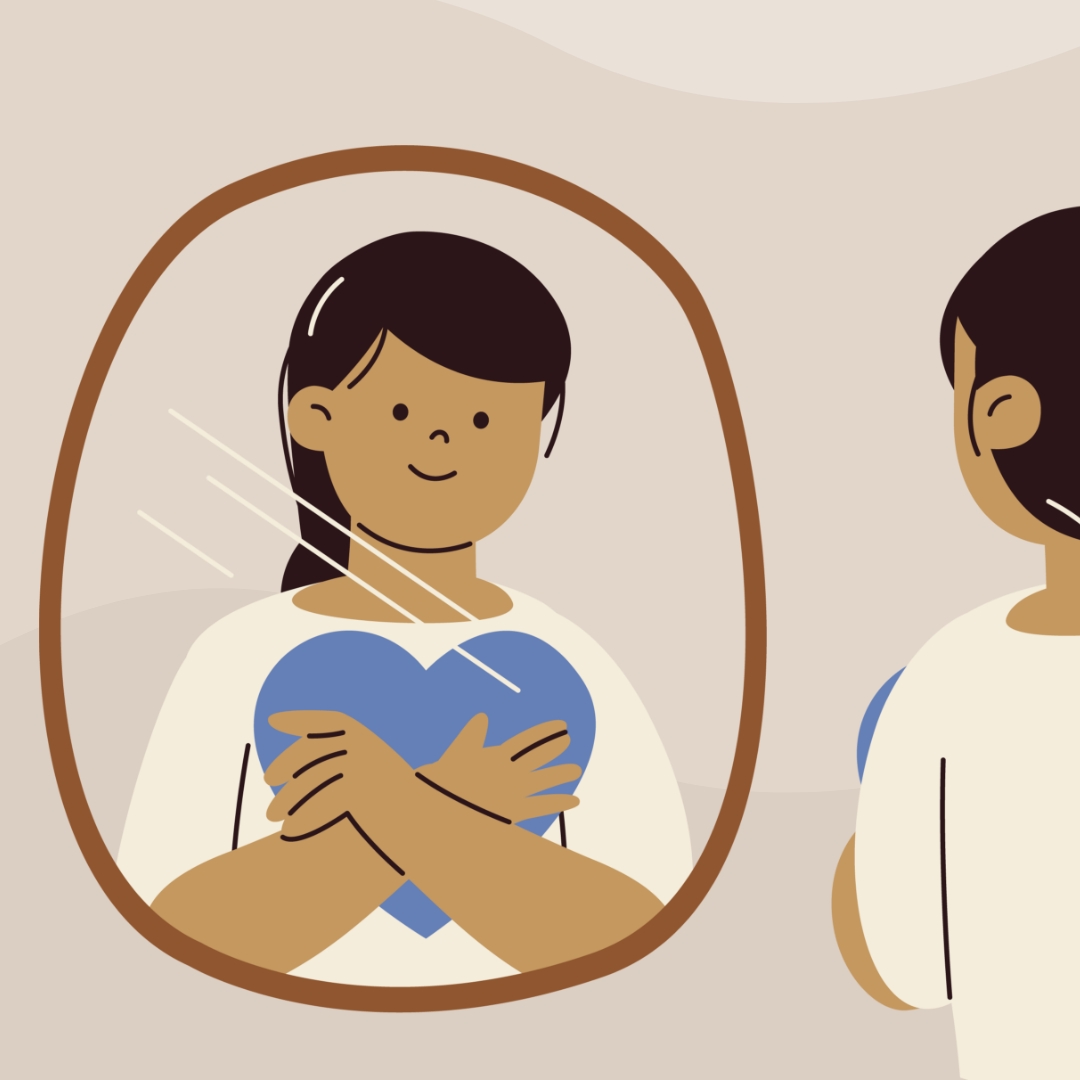
I've been noticing the ways I can be rude, in person and on my phone. This week I share two recent examples of my own, plus why correcting myself out loud strengthens self-awareness. The talk that follows isn't about your kid. It's about you going first.
READ MORE >
An Oakland library has started lending out sports equipment and games alongside books, so families can borrow gear to use at nearby parks. It is a reminder that borrowing and lending between families is a simple way to fill a summer afternoon without a screen, while quietly modelling generosity and humility. We are out of practice at asking, but the person on the other end is usually glad to help.
READ MORE >
E-readers are convenient, but there are three reasons to lean toward paper books this summer. First, e-readers are screens, and the pull of everything else you could do on one makes it harder to stay immersed. Second, a large meta-analysis found people understand and remember slightly better on paper, especially with longer texts. Third, easy access to endless book samples makes it too tempting to jump ship rather than work through the slower parts, since reading, unlike TikTok, is about delayed gratification.
READ MORE >for more like this, DR. DELANEY RUSTON'S NEW BOOK, PARENTING IN THE SCREEN AGE, IS THE DEFINITIVE GUIDE FOR TODAY’S PARENTS. WITH INSIGHTS ON SCREEN TIME FROM RESEARCHERS, INPUT FROM KIDS & TEENS, THIS BOOK IS PACKED WITH SOLUTIONS FOR HOW TO START AND SUSTAIN PRODUCTIVE FAMILY TALKS ABOUT TECHNOLOGY AND IT’S IMPACT ON OUR MENTAL WELLBEING.