

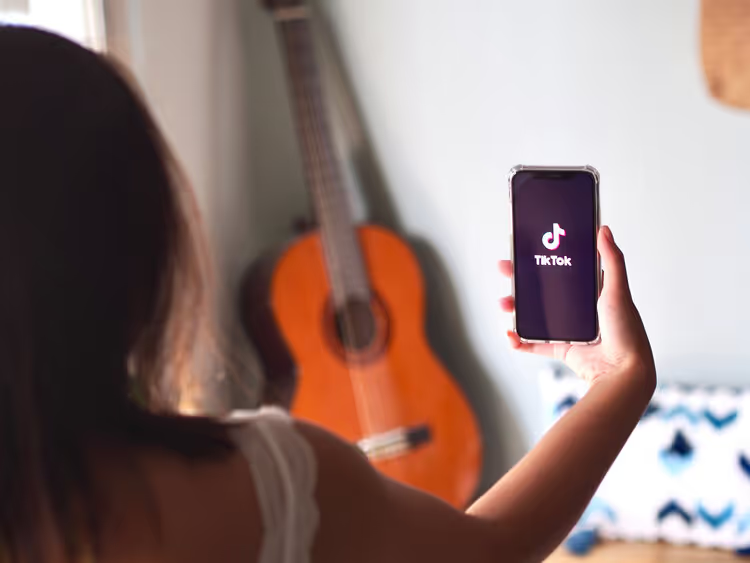

I recently did an informal survey of teen girls about what things are on the top of their minds when it comes to screen time issues. Sure enough, that age-old body image issue still ranks high. Of course, summer plays into this right now too, with all the bikini shots (but frankly, those shots get posted all year long).
Most all youth, regardless of gender, confront varying degrees of body-related self-consciousness and dissatisfaction. Unfortunately for some, this can become what I call “the curse of body image concerns” because the thoughts can be so painfully unrelenting.
Today I am sharing an excerpt from an eye-opening article that Rachel Kisela, a wonderful University of Washington student, wrote about how social media messes with our kids' minds about their own sense of attractiveness. Rachel is a deep and savvy thinker who worked with me during the production of Screenagers NEXT CHAPTER.
I wouldn’t hesitate to label myself an Internet enthusiast. I’m interested in online content and the sociological interactions that are mediated by the Internet. Coincidentally, TikTok is a gold mine for the sociologically curious. Despite significant security concerns, it is one of the fastest-growing mobile applications in the world.
My intention is not to rehash the impressionability of its young user base, or its marketability — Gen Z is a gold mine for advertisers. What I want to discuss instead is not necessarily just the online world, but what we may pull into the offline world and into our heads. Improbable body and appearance expectations have always been unsolicitedly pushed into the forefront of a lot of young women’s minds, but with TikTok, it’s nearly impossible to look away. The entire empire of social media is built around looks. FaceTune, one of the most popular apps in the Apple App Store worldwide, speedily developed the normalization of body distortion on social media. While ads are legally required to be disclosed on Instagram posts in order to prevent deception, the use of FaceTune and filters to remove blemishes, smooth pores, and contort bodies is nearly ubiquitous among Instagram influencers. However, TikTok plays a unique role in the development of body image because it fundamentally relies on both autonomous and active curation. TikTok’s user interface is insidiously easy to use, endlessly rolling out hundreds of 15-to-60 second videos in one sitting.
When you first open the app, without so much as a questionnaire or “sign up” link, TikTok immediately begins showing you content. Over the following days, it learns what you’ll watch and engage with and tailor its algorithm toward you. What you watch and engage with isn’t necessarily what makes you feel good about yourself, and it might not even be the type of content that you set out to watch on TikTok. In practice, the search feature barely functions, as each video contains so little text metadata that it’s difficult for the search engine to crawl through. This differs from platforms that actively work to populate content with searchable metadata, like YouTube or Instagram. Another unique and pointed design choice made by TikTok in order to maximize the algorithm usage is to make the “For You” page the default landing page for the app. TikTok unabashedly funnels your eyes towards the algorithm, autonomously curating what you consume to keep you engaged as long as possible.
Here’s where it gets tricky. Most platforms, like YouTube and Twitter, are primarily self-moderated. There are predominantly successful efforts on the behalf of the company to remove illegal content, but legal grey areas such as hate speech are left up to the users to decide whether or not it’s harmful enough to report. The Internet recently saw one of YouTube’s biggest influencers, Jenna Marbles, cancel herself and recall manually deleting old videos of hers throughout the years in a clear display of self-preservation through self-moderation. Often, the task of moderating YouTube for unsavory content falls onto the shoulders of the creators instead of the company itself. However, TikTok operates on a much higher level of moderation, so much so that it creates a full-on censored environment. Let’s take a look at an example from one of my favorite body-positive TikTok creators, Mik Zazon.
TikTok censored a post that has the hashtag “acne”, and allowed an identical one to go through that did not contain the hashtag. For an algorithmically-driven application, this speaks to the values of the platform. According to leaked Chinese documents acquired by The Intercept in March, TikTok actively promotes the posts of “beautiful” users and demotes the posts of “ugly”, “poor”, and “disabled” users. The reason, according to the documents? “The video will be much less attractive, not worthing to be recommended to new users.”
Almost half of teenage girls are unhappy with their bodies. Body dysmorphia and eating disorders in young people of all genders have been rising steadily in recent years. To think that TikTok is a standalone influence in this battle neglects to acknowledge the broader picture, so although I aim to shine the spotlight on TikTok, what is really concerning is society in general and what we are willing to trade for views, power, and money.
One small win for the TikTok community, however, is the reactionary movement of body positivity. A growing community of creators and viewers, including former D1 athlete Victoria Garrick and body positivity advocate Brittani Lancaster, directly confront TikTok’s embedded values by posting content that works against the current of the algorithm. This content ironically preaches self-acceptance and self-love in one of the most restrictive social media platforms to date, and seeks to break the social conditioning of “perfection” that TikTok cultivates.
We NOW have a way for people to host online events during this time.
Click here if you are interested in hosting an ONLINE screening for your community.
Click here if you want to attend an ONLINE screening.
Subscribe to our podcast.


Learn more about showing our movies in your school or community!
Join Screenagers filmmaker Delaney Ruston MD for our latest Podcast

Learn more about our Screen-Free Sleep campaign at the website!
Our movie made for parents and educators of younger kids
Learn more about showing our movies in your school or community!
Register your interest in bringing our new movie to your school or community
Learn more about showing our movies in your school or community!
Join Screenagers filmmaker Delaney Ruston MD for our latest Podcast
Learn more about our Screen-Free Sleep campaign at the website!
Our movie made for parents and educators of younger kids
Join Screenagers filmmaker Delaney Ruston MD for our latest Podcast
Register your interest in bringing our new movie to your school or community

As we’re about to celebrate 10 years of Screenagers, we want to hear what’s been most helpful and what you’d like to see next.
Please click here to share your thoughts with us in our community survey. It only takes 5–10 minutes, and everyone who completes it will be entered to win one of five $50 Amazon vouchers.
I recently did an informal survey of teen girls about what things are on the top of their minds when it comes to screen time issues. Sure enough, that age-old body image issue still ranks high. Of course, summer plays into this right now too, with all the bikini shots (but frankly, those shots get posted all year long).
Most all youth, regardless of gender, confront varying degrees of body-related self-consciousness and dissatisfaction. Unfortunately for some, this can become what I call “the curse of body image concerns” because the thoughts can be so painfully unrelenting.
Today I am sharing an excerpt from an eye-opening article that Rachel Kisela, a wonderful University of Washington student, wrote about how social media messes with our kids' minds about their own sense of attractiveness. Rachel is a deep and savvy thinker who worked with me during the production of Screenagers NEXT CHAPTER.
I wouldn’t hesitate to label myself an Internet enthusiast. I’m interested in online content and the sociological interactions that are mediated by the Internet. Coincidentally, TikTok is a gold mine for the sociologically curious. Despite significant security concerns, it is one of the fastest-growing mobile applications in the world.
My intention is not to rehash the impressionability of its young user base, or its marketability — Gen Z is a gold mine for advertisers. What I want to discuss instead is not necessarily just the online world, but what we may pull into the offline world and into our heads. Improbable body and appearance expectations have always been unsolicitedly pushed into the forefront of a lot of young women’s minds, but with TikTok, it’s nearly impossible to look away. The entire empire of social media is built around looks. FaceTune, one of the most popular apps in the Apple App Store worldwide, speedily developed the normalization of body distortion on social media. While ads are legally required to be disclosed on Instagram posts in order to prevent deception, the use of FaceTune and filters to remove blemishes, smooth pores, and contort bodies is nearly ubiquitous among Instagram influencers. However, TikTok plays a unique role in the development of body image because it fundamentally relies on both autonomous and active curation. TikTok’s user interface is insidiously easy to use, endlessly rolling out hundreds of 15-to-60 second videos in one sitting.
When you first open the app, without so much as a questionnaire or “sign up” link, TikTok immediately begins showing you content. Over the following days, it learns what you’ll watch and engage with and tailor its algorithm toward you. What you watch and engage with isn’t necessarily what makes you feel good about yourself, and it might not even be the type of content that you set out to watch on TikTok. In practice, the search feature barely functions, as each video contains so little text metadata that it’s difficult for the search engine to crawl through. This differs from platforms that actively work to populate content with searchable metadata, like YouTube or Instagram. Another unique and pointed design choice made by TikTok in order to maximize the algorithm usage is to make the “For You” page the default landing page for the app. TikTok unabashedly funnels your eyes towards the algorithm, autonomously curating what you consume to keep you engaged as long as possible.
Here’s where it gets tricky. Most platforms, like YouTube and Twitter, are primarily self-moderated. There are predominantly successful efforts on the behalf of the company to remove illegal content, but legal grey areas such as hate speech are left up to the users to decide whether or not it’s harmful enough to report. The Internet recently saw one of YouTube’s biggest influencers, Jenna Marbles, cancel herself and recall manually deleting old videos of hers throughout the years in a clear display of self-preservation through self-moderation. Often, the task of moderating YouTube for unsavory content falls onto the shoulders of the creators instead of the company itself. However, TikTok operates on a much higher level of moderation, so much so that it creates a full-on censored environment. Let’s take a look at an example from one of my favorite body-positive TikTok creators, Mik Zazon.
TikTok censored a post that has the hashtag “acne”, and allowed an identical one to go through that did not contain the hashtag. For an algorithmically-driven application, this speaks to the values of the platform. According to leaked Chinese documents acquired by The Intercept in March, TikTok actively promotes the posts of “beautiful” users and demotes the posts of “ugly”, “poor”, and “disabled” users. The reason, according to the documents? “The video will be much less attractive, not worthing to be recommended to new users.”
Almost half of teenage girls are unhappy with their bodies. Body dysmorphia and eating disorders in young people of all genders have been rising steadily in recent years. To think that TikTok is a standalone influence in this battle neglects to acknowledge the broader picture, so although I aim to shine the spotlight on TikTok, what is really concerning is society in general and what we are willing to trade for views, power, and money.
One small win for the TikTok community, however, is the reactionary movement of body positivity. A growing community of creators and viewers, including former D1 athlete Victoria Garrick and body positivity advocate Brittani Lancaster, directly confront TikTok’s embedded values by posting content that works against the current of the algorithm. This content ironically preaches self-acceptance and self-love in one of the most restrictive social media platforms to date, and seeks to break the social conditioning of “perfection” that TikTok cultivates.
We NOW have a way for people to host online events during this time.
Click here if you are interested in hosting an ONLINE screening for your community.
Click here if you want to attend an ONLINE screening.
Subscribe to our podcast.
Sign up here to receive the weekly Tech Talk Tuesdays newsletter from Screenagers filmmaker Delaney Ruston MD.
We respect your privacy.
I recently did an informal survey of teen girls about what things are on the top of their minds when it comes to screen time issues. Sure enough, that age-old body image issue still ranks high. Of course, summer plays into this right now too, with all the bikini shots (but frankly, those shots get posted all year long).
Most all youth, regardless of gender, confront varying degrees of body-related self-consciousness and dissatisfaction. Unfortunately for some, this can become what I call “the curse of body image concerns” because the thoughts can be so painfully unrelenting.
Today I am sharing an excerpt from an eye-opening article that Rachel Kisela, a wonderful University of Washington student, wrote about how social media messes with our kids' minds about their own sense of attractiveness. Rachel is a deep and savvy thinker who worked with me during the production of Screenagers NEXT CHAPTER.
I wouldn’t hesitate to label myself an Internet enthusiast. I’m interested in online content and the sociological interactions that are mediated by the Internet. Coincidentally, TikTok is a gold mine for the sociologically curious. Despite significant security concerns, it is one of the fastest-growing mobile applications in the world.
My intention is not to rehash the impressionability of its young user base, or its marketability — Gen Z is a gold mine for advertisers. What I want to discuss instead is not necessarily just the online world, but what we may pull into the offline world and into our heads. Improbable body and appearance expectations have always been unsolicitedly pushed into the forefront of a lot of young women’s minds, but with TikTok, it’s nearly impossible to look away. The entire empire of social media is built around looks. FaceTune, one of the most popular apps in the Apple App Store worldwide, speedily developed the normalization of body distortion on social media. While ads are legally required to be disclosed on Instagram posts in order to prevent deception, the use of FaceTune and filters to remove blemishes, smooth pores, and contort bodies is nearly ubiquitous among Instagram influencers. However, TikTok plays a unique role in the development of body image because it fundamentally relies on both autonomous and active curation. TikTok’s user interface is insidiously easy to use, endlessly rolling out hundreds of 15-to-60 second videos in one sitting.
When you first open the app, without so much as a questionnaire or “sign up” link, TikTok immediately begins showing you content. Over the following days, it learns what you’ll watch and engage with and tailor its algorithm toward you. What you watch and engage with isn’t necessarily what makes you feel good about yourself, and it might not even be the type of content that you set out to watch on TikTok. In practice, the search feature barely functions, as each video contains so little text metadata that it’s difficult for the search engine to crawl through. This differs from platforms that actively work to populate content with searchable metadata, like YouTube or Instagram. Another unique and pointed design choice made by TikTok in order to maximize the algorithm usage is to make the “For You” page the default landing page for the app. TikTok unabashedly funnels your eyes towards the algorithm, autonomously curating what you consume to keep you engaged as long as possible.
Here’s where it gets tricky. Most platforms, like YouTube and Twitter, are primarily self-moderated. There are predominantly successful efforts on the behalf of the company to remove illegal content, but legal grey areas such as hate speech are left up to the users to decide whether or not it’s harmful enough to report. The Internet recently saw one of YouTube’s biggest influencers, Jenna Marbles, cancel herself and recall manually deleting old videos of hers throughout the years in a clear display of self-preservation through self-moderation. Often, the task of moderating YouTube for unsavory content falls onto the shoulders of the creators instead of the company itself. However, TikTok operates on a much higher level of moderation, so much so that it creates a full-on censored environment. Let’s take a look at an example from one of my favorite body-positive TikTok creators, Mik Zazon.
TikTok censored a post that has the hashtag “acne”, and allowed an identical one to go through that did not contain the hashtag. For an algorithmically-driven application, this speaks to the values of the platform. According to leaked Chinese documents acquired by The Intercept in March, TikTok actively promotes the posts of “beautiful” users and demotes the posts of “ugly”, “poor”, and “disabled” users. The reason, according to the documents? “The video will be much less attractive, not worthing to be recommended to new users.”
Almost half of teenage girls are unhappy with their bodies. Body dysmorphia and eating disorders in young people of all genders have been rising steadily in recent years. To think that TikTok is a standalone influence in this battle neglects to acknowledge the broader picture, so although I aim to shine the spotlight on TikTok, what is really concerning is society in general and what we are willing to trade for views, power, and money.
One small win for the TikTok community, however, is the reactionary movement of body positivity. A growing community of creators and viewers, including former D1 athlete Victoria Garrick and body positivity advocate Brittani Lancaster, directly confront TikTok’s embedded values by posting content that works against the current of the algorithm. This content ironically preaches self-acceptance and self-love in one of the most restrictive social media platforms to date, and seeks to break the social conditioning of “perfection” that TikTok cultivates.
We NOW have a way for people to host online events during this time.
Click here if you are interested in hosting an ONLINE screening for your community.
Click here if you want to attend an ONLINE screening.
Subscribe to our podcast.
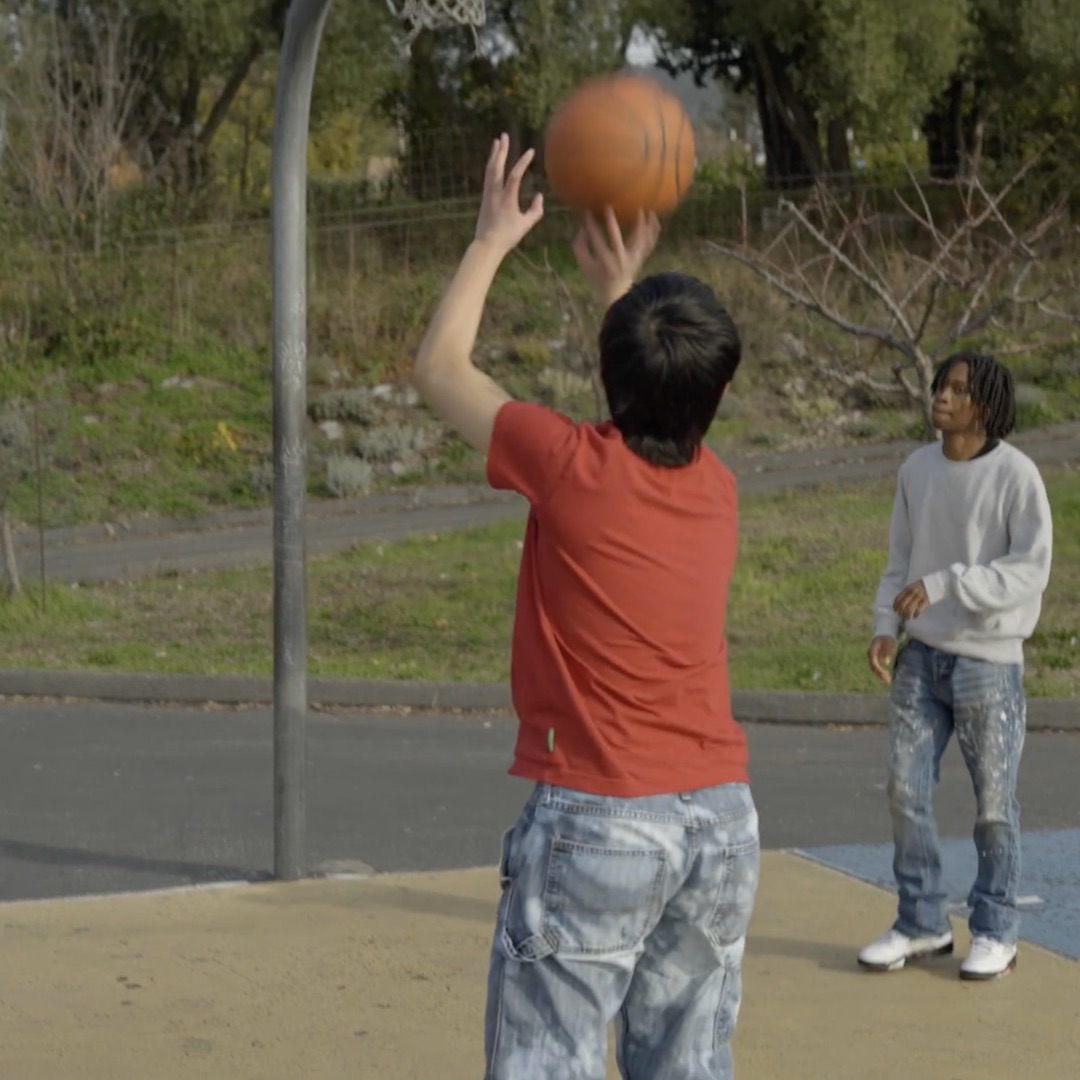
Tech journalist Manoush Zomorodi recently shared with Delaney the story behind her new book Body Electric and the citizen science experiment she ran with NPR and Dr. Keith Diaz of Columbia. The 20,000-person study found that five minutes of movement for every thirty minutes of sitting dropped fatigue by up to 28%, lowered blood glucose and blood pressure, and improved focus and mood. Plus, five practical reframes for talking to kids about movement without the eye rolls.
READ MORE >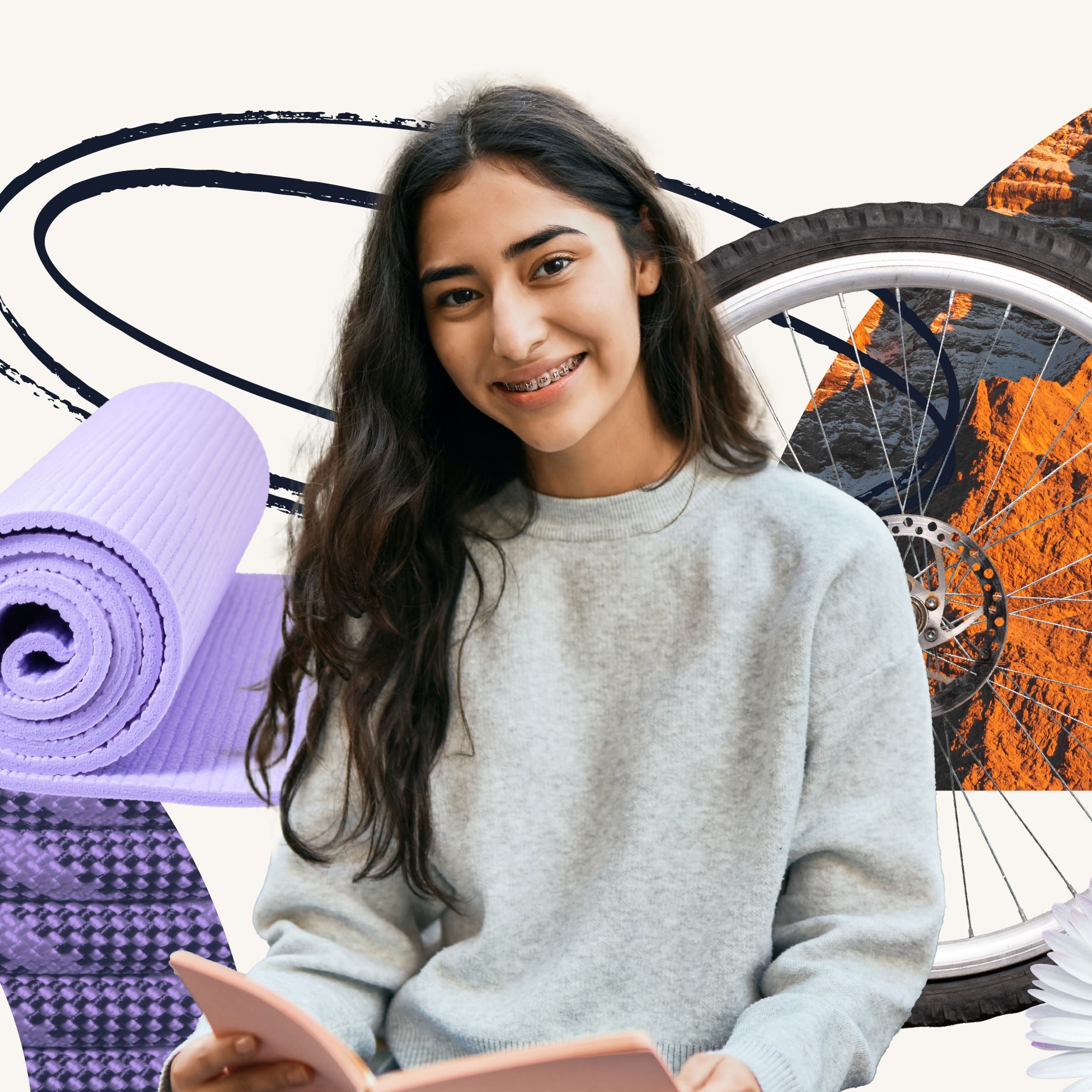
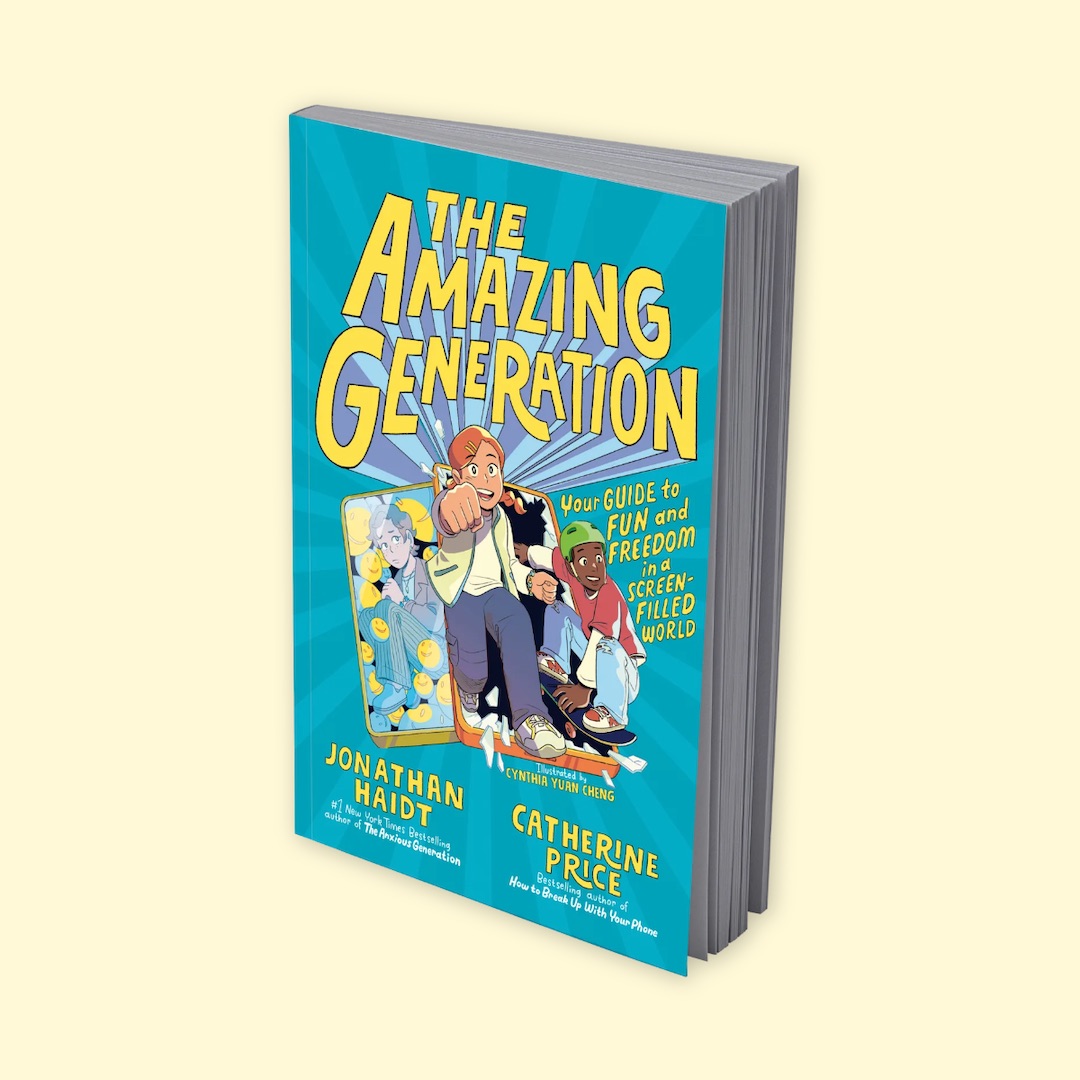
Catherine Price’s “Rebel's Code” focuses on intentional technology use and prioritizing real-world friendship, freedom, and fun. Her book The Amazing Generation, co-written with Jonathan Haidt, introduces these concepts to children through interactive formats and teen perspectives. Research indicates that when adolescents understand how platforms are designed to exploit attention, they show greater motivation to limit their social media use.
READ MORE >for more like this, DR. DELANEY RUSTON'S NEW BOOK, PARENTING IN THE SCREEN AGE, IS THE DEFINITIVE GUIDE FOR TODAY’S PARENTS. WITH INSIGHTS ON SCREEN TIME FROM RESEARCHERS, INPUT FROM KIDS & TEENS, THIS BOOK IS PACKED WITH SOLUTIONS FOR HOW TO START AND SUSTAIN PRODUCTIVE FAMILY TALKS ABOUT TECHNOLOGY AND IT’S IMPACT ON OUR MENTAL WELLBEING.