


Catherine Price’s “Rebel's Code” focuses on intentional technology use and prioritizing real-world friendship, freedom, and fun. Her book The Amazing Generation, co-written with Jonathan Haidt, introduces these concepts to children through interactive formats and teen perspectives. Research indicates that when adolescents understand how platforms are designed to exploit attention, they show greater motivation to limit their social media use.
This is going to sound like a strange way to start my blog, but humor me.
A week ago, when I woke up to a post-rain morning, I decided, uncharacteristically, to open a window and smell the air. Instantly, I was hit with what feels like my very first memory: a certain after-rain scent that activates a visceral, wordless part of my brain.
I bet many of you have a similar “first smell” or indescribable memory. Am I right?
It makes me think about all the things we learn growing up that become part of our bones… ideas, instincts, and reactions that shape how we make decisions, even when we can’t remember where they came from.
Which brings me to today’s blog: how we can help plant rebel thoughts about technology in our kids… ideas that help them make wiser decisions about tech use, both now and in the future.
I share a bit of wisdom from journalist Catherine Price on this topic. And FYI, yesterday’s podcast release is my interview with Catherine that looks at solutions for tech time and kids.
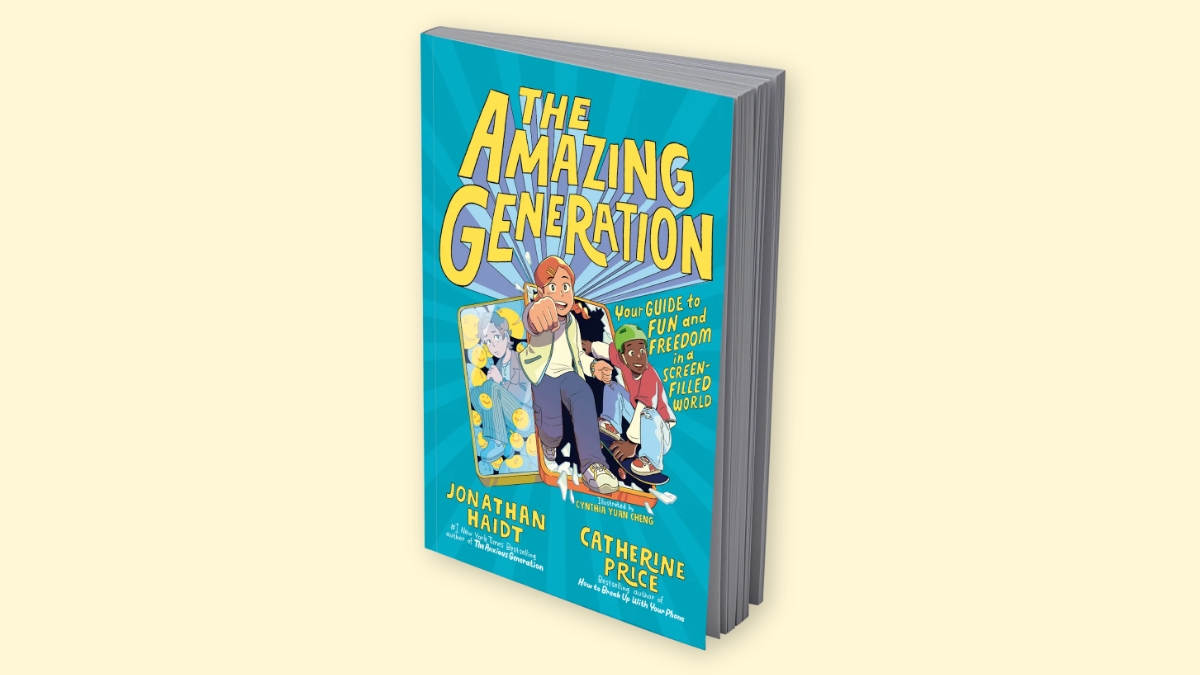
Price has just released a book for kids ages 9–12, The Amazing Generation, which she co-authored with social psychologist Jonathan Haidt, author of The Anxious Generation. By the way, Price wrote the hit book How to Break Up With Your Phone, among others.
The Amazing Generation is a super cool book; part graphic novel and part scrapbook, featuring interactive challenges and quotes from older teens reflecting on their regrets around tech use.
One of the ideas Catherine and I discussed on the podcast is what she calls The Rebel's Code, which has two core parts:
Technology itself isn’t the enemy. The problem arises when apps and platforms are engineered to hijack attention, time, and mood. The Rebel's Code encourages kids (and adults) to ask: What am I using this for? Is it helping me—or pulling me in?
Kids naturally crave friendship, freedom, and fun—and that’s developmentally healthy. The issue isn’t the desire; it’s when screens crowd out the real-world experiences that truly fulfill those needs. A Rebel wins by spending more time with friends, feeling less pulled by technology (that’s freedom), and having more fun, because variety really is the spice of life.
Just like those early memories we can’t quite name, conversations about the Rebel's Code can shape how kids see technology in lasting ways. And of course, getting them the book can do this even more.


Learn more about showing our movies in your school or community!
Join Screenagers filmmaker Delaney Ruston MD for our latest Podcast

Learn more about our Screen-Free Sleep campaign at the website!
Our movie made for parents and educators of younger kids
Learn more about showing our movies in your school or community!
Register your interest in bringing our new movie to your school or community
I want you to know that there is research showing that when kids understand how they’re being manipulated, it does help.
For example, researcher Brian Galla studied how educating teens about social media design affects their behavior.
One group read an exposé explaining how platforms are engineered to exploit adolescent psychology and keep users scrolling, while another group read neutral material.
Teens who learned about these manipulative practices reacted negatively to the platforms and were more motivated to reduce their social media use. Even three months later, they showed greater awareness and more critical attitudes toward how social media tries to influence them.
Learn more about showing our movies in your school or community!
Join Screenagers filmmaker Delaney Ruston MD for our latest Podcast
Learn more about our Screen-Free Sleep campaign at the website!
Our movie made for parents and educators of younger kids
Join Screenagers filmmaker Delaney Ruston MD for our latest Podcast
Register your interest in bringing our new movie to your school or community
Subscribe to our YouTube Channel! We add new videos regularly and you'll find over 100 videos covering parenting advice, guidance, podcasts, movie clips and more. Here's our most recent:

As we’re about to celebrate 10 years of Screenagers, we want to hear what’s been most helpful and what you’d like to see next.
Please click here to share your thoughts with us in our community survey. It only takes 5–10 minutes, and everyone who completes it will be entered to win one of five $50 Amazon vouchers.
This is going to sound like a strange way to start my blog, but humor me.
A week ago, when I woke up to a post-rain morning, I decided, uncharacteristically, to open a window and smell the air. Instantly, I was hit with what feels like my very first memory: a certain after-rain scent that activates a visceral, wordless part of my brain.
I bet many of you have a similar “first smell” or indescribable memory. Am I right?
It makes me think about all the things we learn growing up that become part of our bones… ideas, instincts, and reactions that shape how we make decisions, even when we can’t remember where they came from.
Which brings me to today’s blog: how we can help plant rebel thoughts about technology in our kids… ideas that help them make wiser decisions about tech use, both now and in the future.
I share a bit of wisdom from journalist Catherine Price on this topic. And FYI, yesterday’s podcast release is my interview with Catherine that looks at solutions for tech time and kids.
Price has just released a book for kids ages 9–12, The Amazing Generation, which she co-authored with social psychologist Jonathan Haidt, author of The Anxious Generation. By the way, Price wrote the hit book How to Break Up With Your Phone, among others.
The Amazing Generation is a super cool book; part graphic novel and part scrapbook, featuring interactive challenges and quotes from older teens reflecting on their regrets around tech use.
One of the ideas Catherine and I discussed on the podcast is what she calls The Rebel's Code, which has two core parts:
Technology itself isn’t the enemy. The problem arises when apps and platforms are engineered to hijack attention, time, and mood. The Rebel's Code encourages kids (and adults) to ask: What am I using this for? Is it helping me—or pulling me in?
Kids naturally crave friendship, freedom, and fun—and that’s developmentally healthy. The issue isn’t the desire; it’s when screens crowd out the real-world experiences that truly fulfill those needs. A Rebel wins by spending more time with friends, feeling less pulled by technology (that’s freedom), and having more fun, because variety really is the spice of life.
Just like those early memories we can’t quite name, conversations about the Rebel's Code can shape how kids see technology in lasting ways. And of course, getting them the book can do this even more.
I want you to know that there is research showing that when kids understand how they’re being manipulated, it does help.
For example, researcher Brian Galla studied how educating teens about social media design affects their behavior.
One group read an exposé explaining how platforms are engineered to exploit adolescent psychology and keep users scrolling, while another group read neutral material.
Teens who learned about these manipulative practices reacted negatively to the platforms and were more motivated to reduce their social media use. Even three months later, they showed greater awareness and more critical attitudes toward how social media tries to influence them.
Subscribe to our YouTube Channel! We add new videos regularly and you'll find over 100 videos covering parenting advice, guidance, podcasts, movie clips and more. Here's our most recent:
Sign up here to receive the weekly Tech Talk Tuesdays newsletter from Screenagers filmmaker Delaney Ruston MD.
We respect your privacy.
This is going to sound like a strange way to start my blog, but humor me.
A week ago, when I woke up to a post-rain morning, I decided, uncharacteristically, to open a window and smell the air. Instantly, I was hit with what feels like my very first memory: a certain after-rain scent that activates a visceral, wordless part of my brain.
I bet many of you have a similar “first smell” or indescribable memory. Am I right?
It makes me think about all the things we learn growing up that become part of our bones… ideas, instincts, and reactions that shape how we make decisions, even when we can’t remember where they came from.
Which brings me to today’s blog: how we can help plant rebel thoughts about technology in our kids… ideas that help them make wiser decisions about tech use, both now and in the future.
I share a bit of wisdom from journalist Catherine Price on this topic. And FYI, yesterday’s podcast release is my interview with Catherine that looks at solutions for tech time and kids.
Price has just released a book for kids ages 9–12, The Amazing Generation, which she co-authored with social psychologist Jonathan Haidt, author of The Anxious Generation. By the way, Price wrote the hit book How to Break Up With Your Phone, among others.
The Amazing Generation is a super cool book; part graphic novel and part scrapbook, featuring interactive challenges and quotes from older teens reflecting on their regrets around tech use.
One of the ideas Catherine and I discussed on the podcast is what she calls The Rebel's Code, which has two core parts:
Technology itself isn’t the enemy. The problem arises when apps and platforms are engineered to hijack attention, time, and mood. The Rebel's Code encourages kids (and adults) to ask: What am I using this for? Is it helping me—or pulling me in?
Kids naturally crave friendship, freedom, and fun—and that’s developmentally healthy. The issue isn’t the desire; it’s when screens crowd out the real-world experiences that truly fulfill those needs. A Rebel wins by spending more time with friends, feeling less pulled by technology (that’s freedom), and having more fun, because variety really is the spice of life.
Just like those early memories we can’t quite name, conversations about the Rebel's Code can shape how kids see technology in lasting ways. And of course, getting them the book can do this even more.
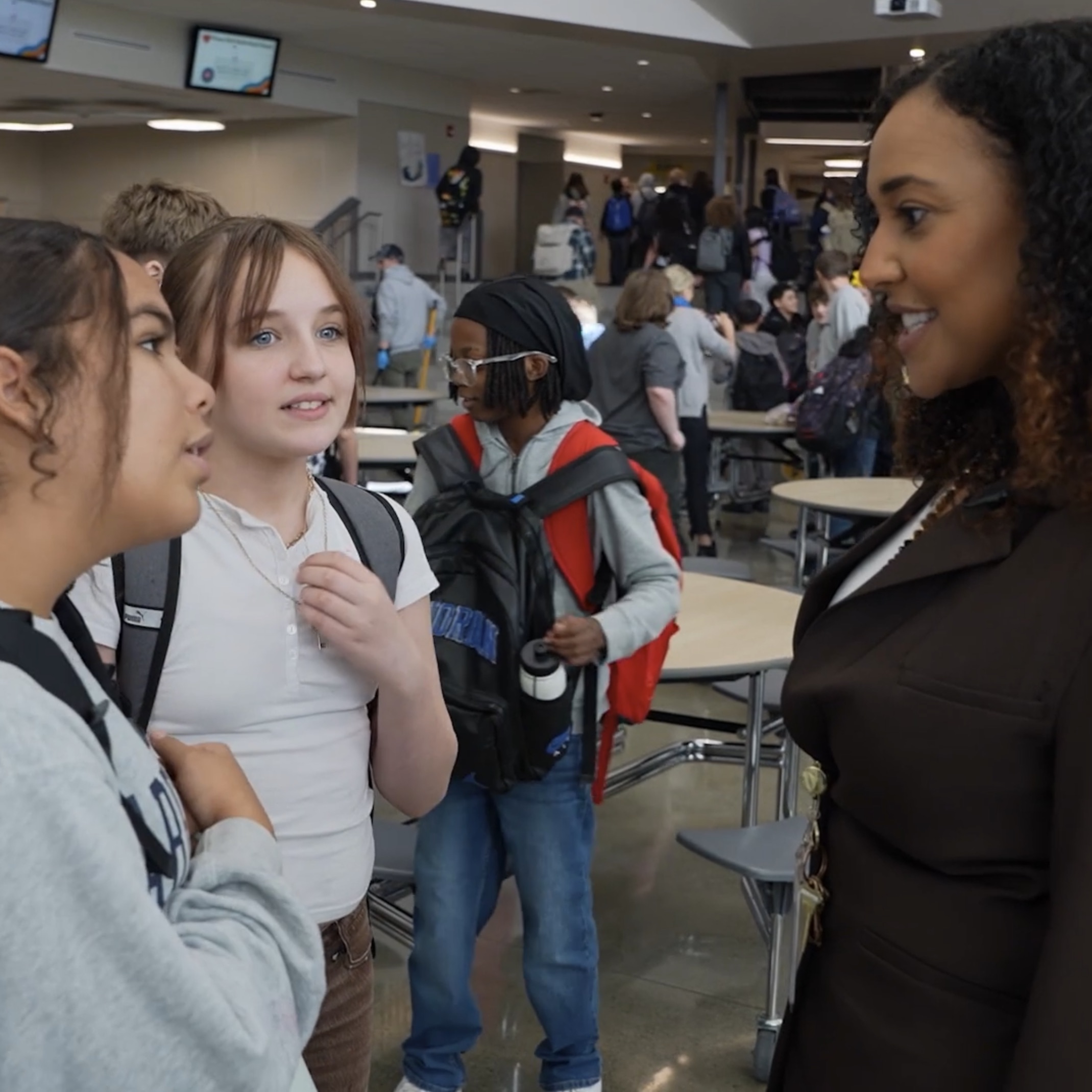
Many kids have nothing to do after school, so they go home to screens and, increasingly, AI chatbots. Spokane Public Schools tackled this by hiring "Engagement Navigators" who proactively find these students and help them get involved, a program we feature in Screenagers: Generation AI. I also share a patient's story, advice for parents whose teens refuse activities, and ways to help other kids get involved.
READ MORE >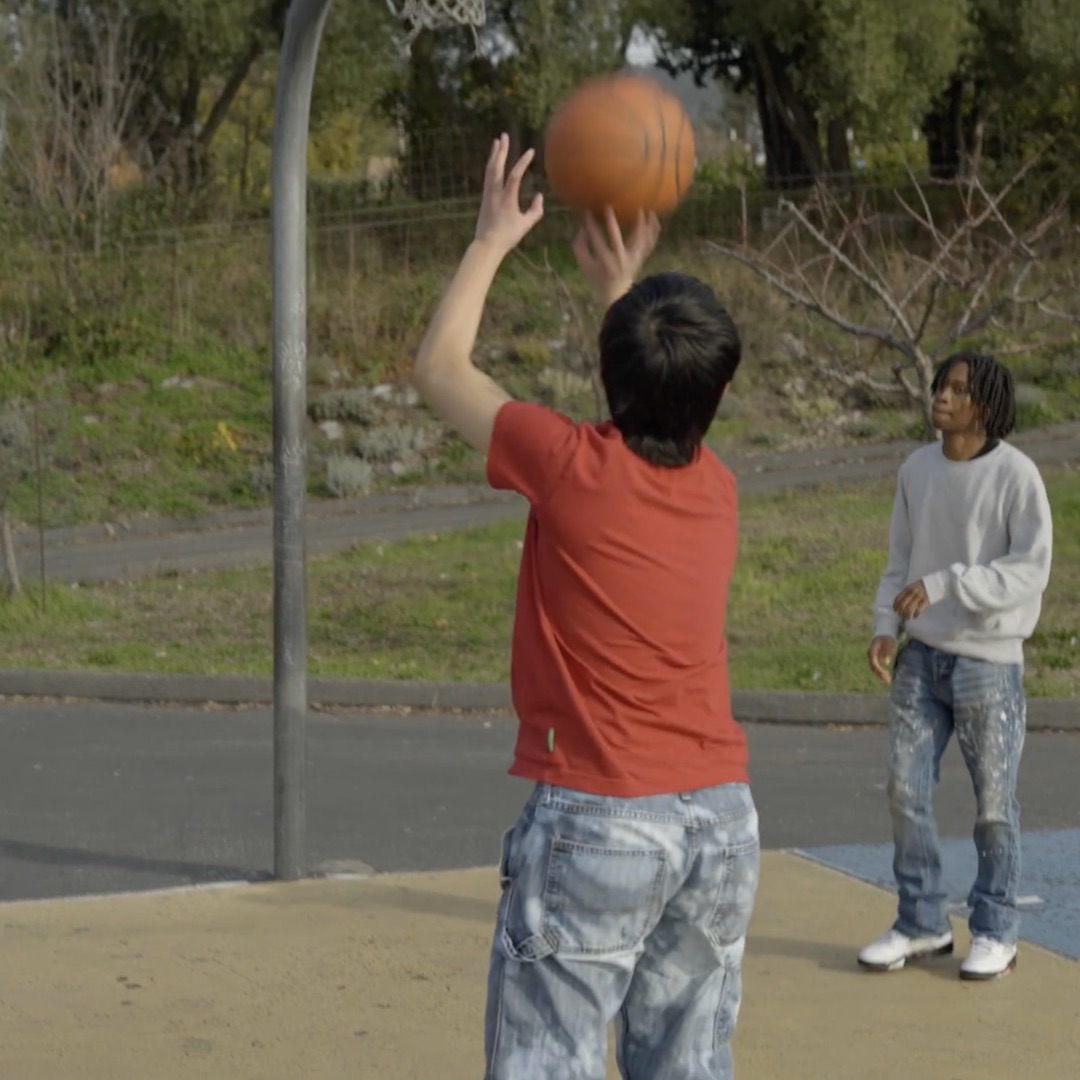
Tech journalist Manoush Zomorodi recently shared with Delaney the story behind her new book Body Electric and the citizen science experiment she ran with NPR and Dr. Keith Diaz of Columbia. The 20,000-person study found that five minutes of movement for every thirty minutes of sitting dropped fatigue by up to 28%, lowered blood glucose and blood pressure, and improved focus and mood. Plus, five practical reframes for talking to kids about movement without the eye rolls.
READ MORE >
for more like this, DR. DELANEY RUSTON'S NEW BOOK, PARENTING IN THE SCREEN AGE, IS THE DEFINITIVE GUIDE FOR TODAY’S PARENTS. WITH INSIGHTS ON SCREEN TIME FROM RESEARCHERS, INPUT FROM KIDS & TEENS, THIS BOOK IS PACKED WITH SOLUTIONS FOR HOW TO START AND SUSTAIN PRODUCTIVE FAMILY TALKS ABOUT TECHNOLOGY AND IT’S IMPACT ON OUR MENTAL WELLBEING.