

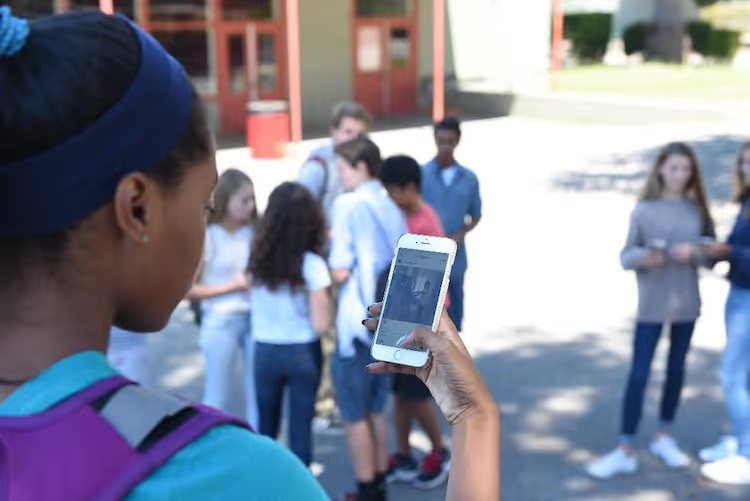
Recently I was speaking with a few hundred high schoolers in their school theater, and I started out asking what things they enjoy doing related to screen time. They had such fun throwing out all types of examples. I shared some things I love to do, such as Googling to find answers to almost any question, like recently, when I asked what to do with leftover coffee and learned I could use it to make oatmeal, who knew? As we all talked about the upsides of our tech revolution, we joked about how long a documentary would be if it included all the upsides. Some students offered 4 hours, and some said 24 hours.
I always start conversations with groups of students by asking them about positive things they experience with their screen time because I want them to know that I understand there are so many wonderful things to do on tech. Teens expect that any adult talking with them about screen time is going to focus solely on the negative. Once students see that I appreciate the many upsides of our tech world, then they are more open to talking about ways to minimize the downsides.
When I asked the students what some of the things that happen on screens that negatively affects them, a student quickly raised her hand and answered:
"Being blocked." She looked a bit self-conscious, so I quickly said, "Yes, teen after teen tells me about this. It's just so common." I was relieved to see her perk right up.
I went on to say, "It is so stressful when someone is blocked or unfriended, often they have no idea why they were blocked. I know how hard the not-knowing is. It is hard to feel rejected, and then on top of that, not to understand why it happened makes it that much more upsetting."
Then, another student raised her hand, "Yeah, I hate it when I can see that someone has opened my Snap to them, but they have not responded to me."
I said, "These types of things can leave us feeling a lot of uncertainty and self-doubt. This can lead to going over and over things in one’s mind, trying to find a reason."
So many heads nodded as I said these things.
If you want to host a screening of the movie in your community, please fill out this form.
*We would love for you to share this TTT any way that works for you, whether that’s on social media or via a newsletter. If you want to send it out in your newsletter we just ask that you credit us and link to our website, and let us know at lisa@screenagersmovie.com.
Stay in touch with the Screenagers community on Facebook, Twitter and leave comments below.


Learn more about showing our movies in your school or community!
Join Screenagers filmmaker Delaney Ruston MD for our latest Podcast

Learn more about our Screen-Free Sleep campaign at the website!
Our movie made for parents and educators of younger kids
Learn more about showing our movies in your school or community!
Register your interest in bringing our new movie to your school or community
Learn more about showing our movies in your school or community!
Join Screenagers filmmaker Delaney Ruston MD for our latest Podcast
Learn more about our Screen-Free Sleep campaign at the website!
Our movie made for parents and educators of younger kids
Join Screenagers filmmaker Delaney Ruston MD for our latest Podcast
Register your interest in bringing our new movie to your school or community
As we’re about to celebrate 10 years of Screenagers, we want to hear what’s been most helpful and what you’d like to see next.
Please click here to share your thoughts with us in our community survey. It only takes 5–10 minutes, and everyone who completes it will be entered to win one of five $50 Amazon vouchers.
Recently I was speaking with a few hundred high schoolers in their school theater, and I started out asking what things they enjoy doing related to screen time. They had such fun throwing out all types of examples. I shared some things I love to do, such as Googling to find answers to almost any question, like recently, when I asked what to do with leftover coffee and learned I could use it to make oatmeal, who knew? As we all talked about the upsides of our tech revolution, we joked about how long a documentary would be if it included all the upsides. Some students offered 4 hours, and some said 24 hours.
I always start conversations with groups of students by asking them about positive things they experience with their screen time because I want them to know that I understand there are so many wonderful things to do on tech. Teens expect that any adult talking with them about screen time is going to focus solely on the negative. Once students see that I appreciate the many upsides of our tech world, then they are more open to talking about ways to minimize the downsides.
When I asked the students what some of the things that happen on screens that negatively affects them, a student quickly raised her hand and answered:
"Being blocked." She looked a bit self-conscious, so I quickly said, "Yes, teen after teen tells me about this. It's just so common." I was relieved to see her perk right up.
I went on to say, "It is so stressful when someone is blocked or unfriended, often they have no idea why they were blocked. I know how hard the not-knowing is. It is hard to feel rejected, and then on top of that, not to understand why it happened makes it that much more upsetting."
Then, another student raised her hand, "Yeah, I hate it when I can see that someone has opened my Snap to them, but they have not responded to me."
I said, "These types of things can leave us feeling a lot of uncertainty and self-doubt. This can lead to going over and over things in one’s mind, trying to find a reason."
So many heads nodded as I said these things.
If you want to host a screening of the movie in your community, please fill out this form.
*We would love for you to share this TTT any way that works for you, whether that’s on social media or via a newsletter. If you want to send it out in your newsletter we just ask that you credit us and link to our website, and let us know at lisa@screenagersmovie.com.
Stay in touch with the Screenagers community on Facebook, Twitter and leave comments below.
Sign up here to receive the weekly Tech Talk Tuesdays newsletter from Screenagers filmmaker Delaney Ruston MD.
We respect your privacy.
Recently I was speaking with a few hundred high schoolers in their school theater, and I started out asking what things they enjoy doing related to screen time. They had such fun throwing out all types of examples. I shared some things I love to do, such as Googling to find answers to almost any question, like recently, when I asked what to do with leftover coffee and learned I could use it to make oatmeal, who knew? As we all talked about the upsides of our tech revolution, we joked about how long a documentary would be if it included all the upsides. Some students offered 4 hours, and some said 24 hours.
I always start conversations with groups of students by asking them about positive things they experience with their screen time because I want them to know that I understand there are so many wonderful things to do on tech. Teens expect that any adult talking with them about screen time is going to focus solely on the negative. Once students see that I appreciate the many upsides of our tech world, then they are more open to talking about ways to minimize the downsides.
When I asked the students what some of the things that happen on screens that negatively affects them, a student quickly raised her hand and answered:
"Being blocked." She looked a bit self-conscious, so I quickly said, "Yes, teen after teen tells me about this. It's just so common." I was relieved to see her perk right up.
I went on to say, "It is so stressful when someone is blocked or unfriended, often they have no idea why they were blocked. I know how hard the not-knowing is. It is hard to feel rejected, and then on top of that, not to understand why it happened makes it that much more upsetting."
Then, another student raised her hand, "Yeah, I hate it when I can see that someone has opened my Snap to them, but they have not responded to me."
I said, "These types of things can leave us feeling a lot of uncertainty and self-doubt. This can lead to going over and over things in one’s mind, trying to find a reason."
So many heads nodded as I said these things.
If you want to host a screening of the movie in your community, please fill out this form.
*We would love for you to share this TTT any way that works for you, whether that’s on social media or via a newsletter. If you want to send it out in your newsletter we just ask that you credit us and link to our website, and let us know at lisa@screenagersmovie.com.
Stay in touch with the Screenagers community on Facebook, Twitter and leave comments below.
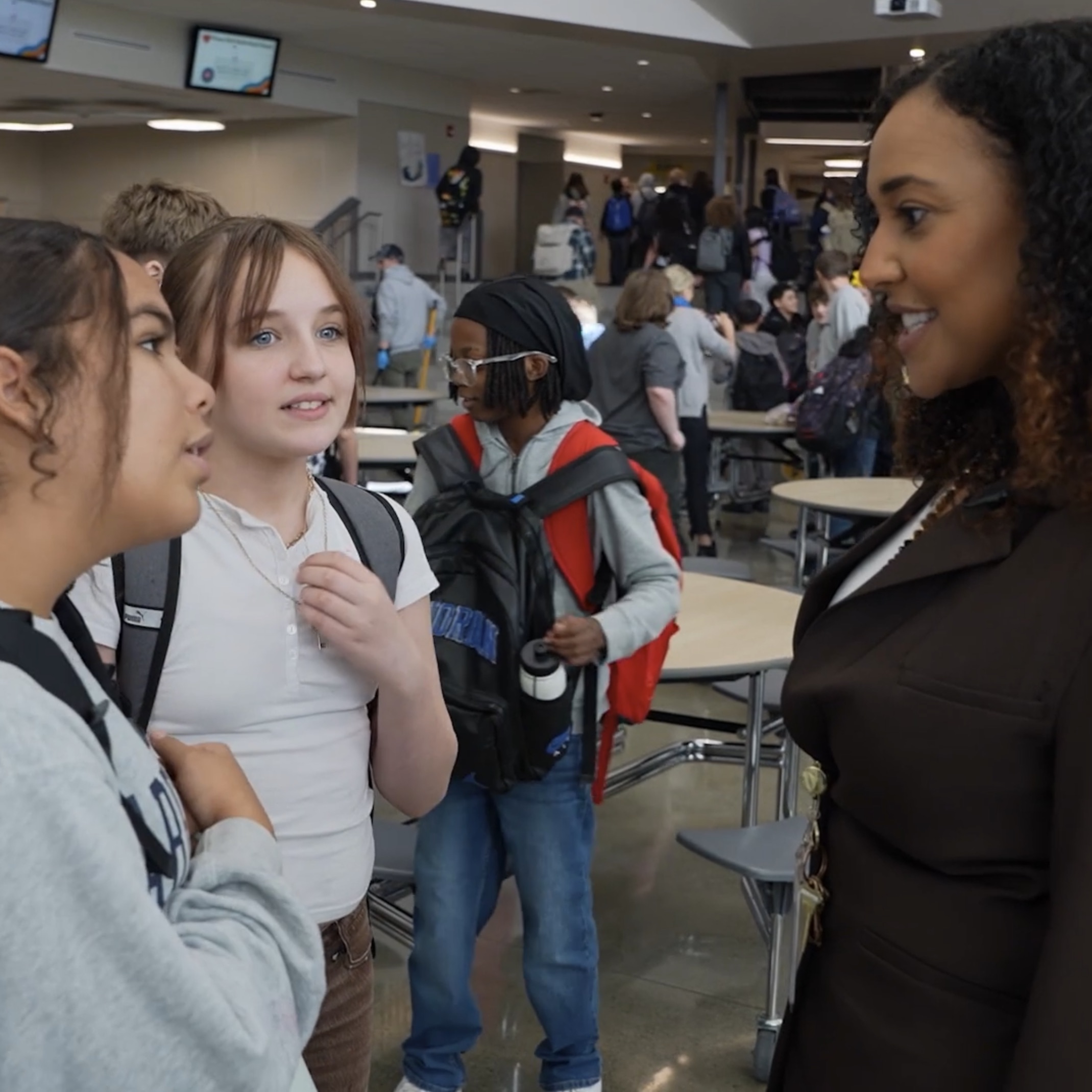
Many kids have nothing to do after school, so they go home to screens and, increasingly, AI chatbots. Spokane Public Schools tackled this by hiring "Engagement Navigators" who proactively find these students and help them get involved, a program we feature in Screenagers: Generation AI. I also share a patient's story, advice for parents whose teens refuse activities, and ways to help other kids get involved.
READ MORE >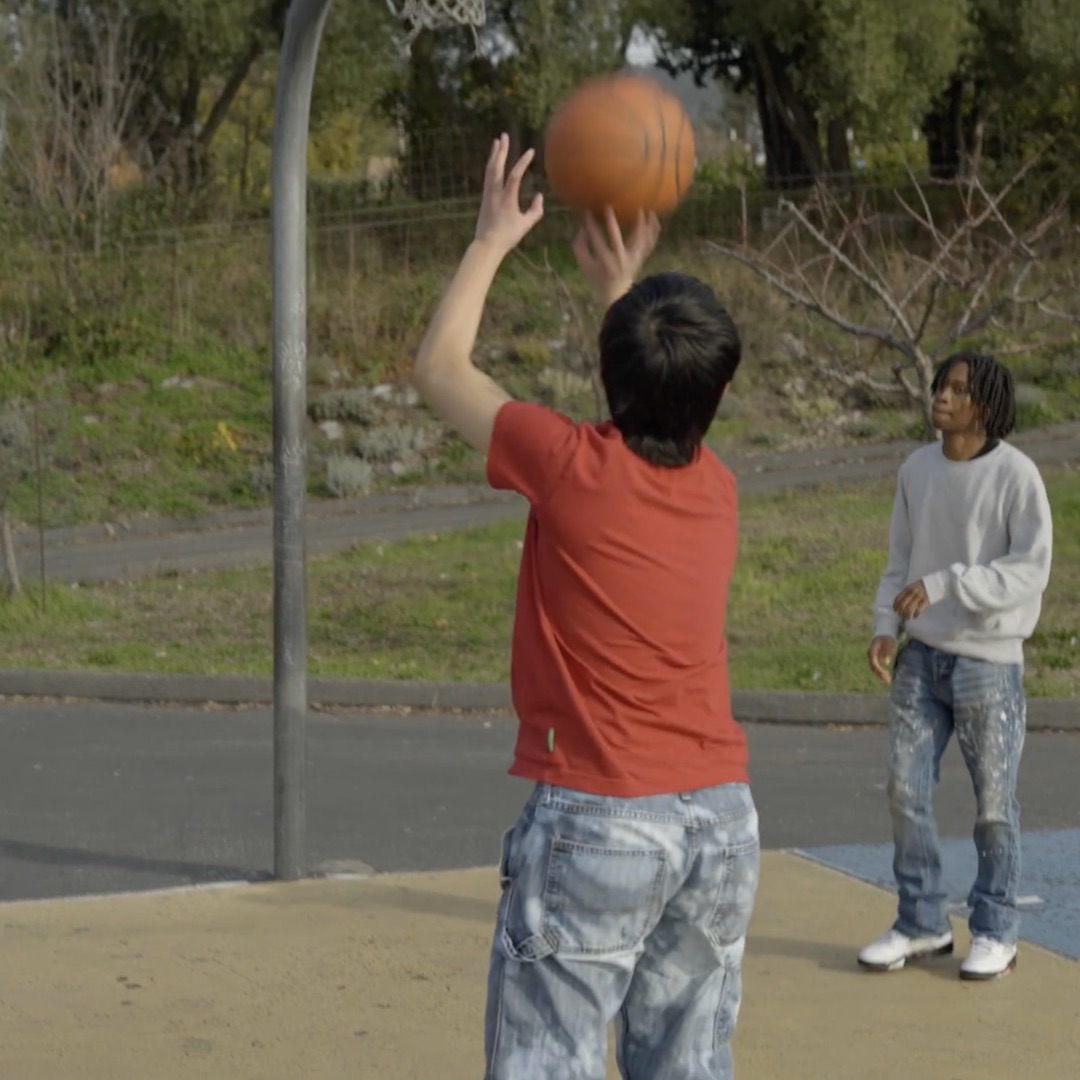
Tech journalist Manoush Zomorodi recently shared with Delaney the story behind her new book Body Electric and the citizen science experiment she ran with NPR and Dr. Keith Diaz of Columbia. The 20,000-person study found that five minutes of movement for every thirty minutes of sitting dropped fatigue by up to 28%, lowered blood glucose and blood pressure, and improved focus and mood. Plus, five practical reframes for talking to kids about movement without the eye rolls.
READ MORE >
for more like this, DR. DELANEY RUSTON'S NEW BOOK, PARENTING IN THE SCREEN AGE, IS THE DEFINITIVE GUIDE FOR TODAY’S PARENTS. WITH INSIGHTS ON SCREEN TIME FROM RESEARCHERS, INPUT FROM KIDS & TEENS, THIS BOOK IS PACKED WITH SOLUTIONS FOR HOW TO START AND SUSTAIN PRODUCTIVE FAMILY TALKS ABOUT TECHNOLOGY AND IT’S IMPACT ON OUR MENTAL WELLBEING.