


How do we achieve maximal mental focus in an overly wired and wireless world? This is the question that Georgetown University professor, author, and father, Cal Newport, addresses in his forthcoming book Digital Minimalism. He writes about ways to prune one’s digital life, getting it down to those technologies that truly help us to think deeper.
I often talk about how new strategies for helping our kids focus in this tech revolution whether that’s enforcing a no-cell-phone rule at school or ways to stay on task while doing homework. So, I am always excited to get ideas from others about helpful approaches to fostering deep thinking.
One of the reasons I wanted to discuss this topic is that it gives us a chance to share with our kids some of the strategies we use to have focused times. When I talk with youth they often complain about how distracted adults are on their devices—yes, true—AND we are often doing work on our devices. So, subtly reinforcing that point, and how we stay on task when we are doing that, is key.
Newport argues that we should be much more selective about the technologies we adopt in our personal lives and “radically reduce the time you spend online, focusing on a small number of activities chosen because they support things you deeply value, and then happily miss out on everything else.” He also says something that I agree with: “Technology is intrinsically neither good nor bad. The key is using it to support your goals and values, rather than letting it use you.”
In an interview that ran in the New York Times last week, Newport discusses with writer Tim Herrera how to achieve “deep work.”
As a society, it is essential that we openly discuss how we can foster focused thinking in our children and students. I find it heartening that so many tech educators and IT leaders at schools reach out to us about showing Screenagers. These are the people that are tasked with integrating technology into schools, and they want to ensure that we are having a dialogue about how to best do this.
Another reason I wanted to talk about this is that young people are thinking about these issues. When I ask them their strategies for staying focused, more often than not, they share things they are trying. Just today I was filming several middle schoolers and I asked them this question and they told me a few of their tricks like “putting on a timer” and “changing phone settings to ‘Do Not Disturb’ while doing homework”.
We would love for you to share this TTT any way that works for you, whether that’s on social media or via a newsletter. If you want to send it out in your newsletter we just ask that you credit us and link to our website, and let us know at lisa@screenagersmovie.com.
HOST A SCREENING to help spark change.
FIND EVENT LISTINGS
Stay in touch with the Screenagers community on Facebook, Twitter and at www.screenagersmovie.com.
Now Available for Educators: A New Professional Development Resource
Request more information about this 6-hour ready-to-use Professional Development module.


Learn more about showing our movies in your school or community!
Join Screenagers filmmaker Delaney Ruston MD for our latest Podcast

Learn more about our Screen-Free Sleep campaign at the website!
Our movie made for parents and educators of younger kids
Learn more about showing our movies in your school or community!
Register your interest in bringing our new movie to your school or community
Learn more about showing our movies in your school or community!
Join Screenagers filmmaker Delaney Ruston MD for our latest Podcast
Learn more about our Screen-Free Sleep campaign at the website!
Our movie made for parents and educators of younger kids
Join Screenagers filmmaker Delaney Ruston MD for our latest Podcast
Register your interest in bringing our new movie to your school or community

As we’re about to celebrate 10 years of Screenagers, we want to hear what’s been most helpful and what you’d like to see next.
Please click here to share your thoughts with us in our community survey. It only takes 5–10 minutes, and everyone who completes it will be entered to win one of five $50 Amazon vouchers.
How do we achieve maximal mental focus in an overly wired and wireless world? This is the question that Georgetown University professor, author, and father, Cal Newport, addresses in his forthcoming book Digital Minimalism. He writes about ways to prune one’s digital life, getting it down to those technologies that truly help us to think deeper.
I often talk about how new strategies for helping our kids focus in this tech revolution whether that’s enforcing a no-cell-phone rule at school or ways to stay on task while doing homework. So, I am always excited to get ideas from others about helpful approaches to fostering deep thinking.
One of the reasons I wanted to discuss this topic is that it gives us a chance to share with our kids some of the strategies we use to have focused times. When I talk with youth they often complain about how distracted adults are on their devices—yes, true—AND we are often doing work on our devices. So, subtly reinforcing that point, and how we stay on task when we are doing that, is key.
Newport argues that we should be much more selective about the technologies we adopt in our personal lives and “radically reduce the time you spend online, focusing on a small number of activities chosen because they support things you deeply value, and then happily miss out on everything else.” He also says something that I agree with: “Technology is intrinsically neither good nor bad. The key is using it to support your goals and values, rather than letting it use you.”
In an interview that ran in the New York Times last week, Newport discusses with writer Tim Herrera how to achieve “deep work.”
As a society, it is essential that we openly discuss how we can foster focused thinking in our children and students. I find it heartening that so many tech educators and IT leaders at schools reach out to us about showing Screenagers. These are the people that are tasked with integrating technology into schools, and they want to ensure that we are having a dialogue about how to best do this.
Another reason I wanted to talk about this is that young people are thinking about these issues. When I ask them their strategies for staying focused, more often than not, they share things they are trying. Just today I was filming several middle schoolers and I asked them this question and they told me a few of their tricks like “putting on a timer” and “changing phone settings to ‘Do Not Disturb’ while doing homework”.
We would love for you to share this TTT any way that works for you, whether that’s on social media or via a newsletter. If you want to send it out in your newsletter we just ask that you credit us and link to our website, and let us know at lisa@screenagersmovie.com.
HOST A SCREENING to help spark change.
FIND EVENT LISTINGS
Stay in touch with the Screenagers community on Facebook, Twitter and at www.screenagersmovie.com.
Now Available for Educators: A New Professional Development Resource
Request more information about this 6-hour ready-to-use Professional Development module.
Sign up here to receive the weekly Tech Talk Tuesdays newsletter from Screenagers filmmaker Delaney Ruston MD.
We respect your privacy.
How do we achieve maximal mental focus in an overly wired and wireless world? This is the question that Georgetown University professor, author, and father, Cal Newport, addresses in his forthcoming book Digital Minimalism. He writes about ways to prune one’s digital life, getting it down to those technologies that truly help us to think deeper.
I often talk about how new strategies for helping our kids focus in this tech revolution whether that’s enforcing a no-cell-phone rule at school or ways to stay on task while doing homework. So, I am always excited to get ideas from others about helpful approaches to fostering deep thinking.
One of the reasons I wanted to discuss this topic is that it gives us a chance to share with our kids some of the strategies we use to have focused times. When I talk with youth they often complain about how distracted adults are on their devices—yes, true—AND we are often doing work on our devices. So, subtly reinforcing that point, and how we stay on task when we are doing that, is key.
Newport argues that we should be much more selective about the technologies we adopt in our personal lives and “radically reduce the time you spend online, focusing on a small number of activities chosen because they support things you deeply value, and then happily miss out on everything else.” He also says something that I agree with: “Technology is intrinsically neither good nor bad. The key is using it to support your goals and values, rather than letting it use you.”
In an interview that ran in the New York Times last week, Newport discusses with writer Tim Herrera how to achieve “deep work.”
As a society, it is essential that we openly discuss how we can foster focused thinking in our children and students. I find it heartening that so many tech educators and IT leaders at schools reach out to us about showing Screenagers. These are the people that are tasked with integrating technology into schools, and they want to ensure that we are having a dialogue about how to best do this.
Another reason I wanted to talk about this is that young people are thinking about these issues. When I ask them their strategies for staying focused, more often than not, they share things they are trying. Just today I was filming several middle schoolers and I asked them this question and they told me a few of their tricks like “putting on a timer” and “changing phone settings to ‘Do Not Disturb’ while doing homework”.
We would love for you to share this TTT any way that works for you, whether that’s on social media or via a newsletter. If you want to send it out in your newsletter we just ask that you credit us and link to our website, and let us know at lisa@screenagersmovie.com.
HOST A SCREENING to help spark change.
FIND EVENT LISTINGS
Stay in touch with the Screenagers community on Facebook, Twitter and at www.screenagersmovie.com.
Now Available for Educators: A New Professional Development Resource
Request more information about this 6-hour ready-to-use Professional Development module.
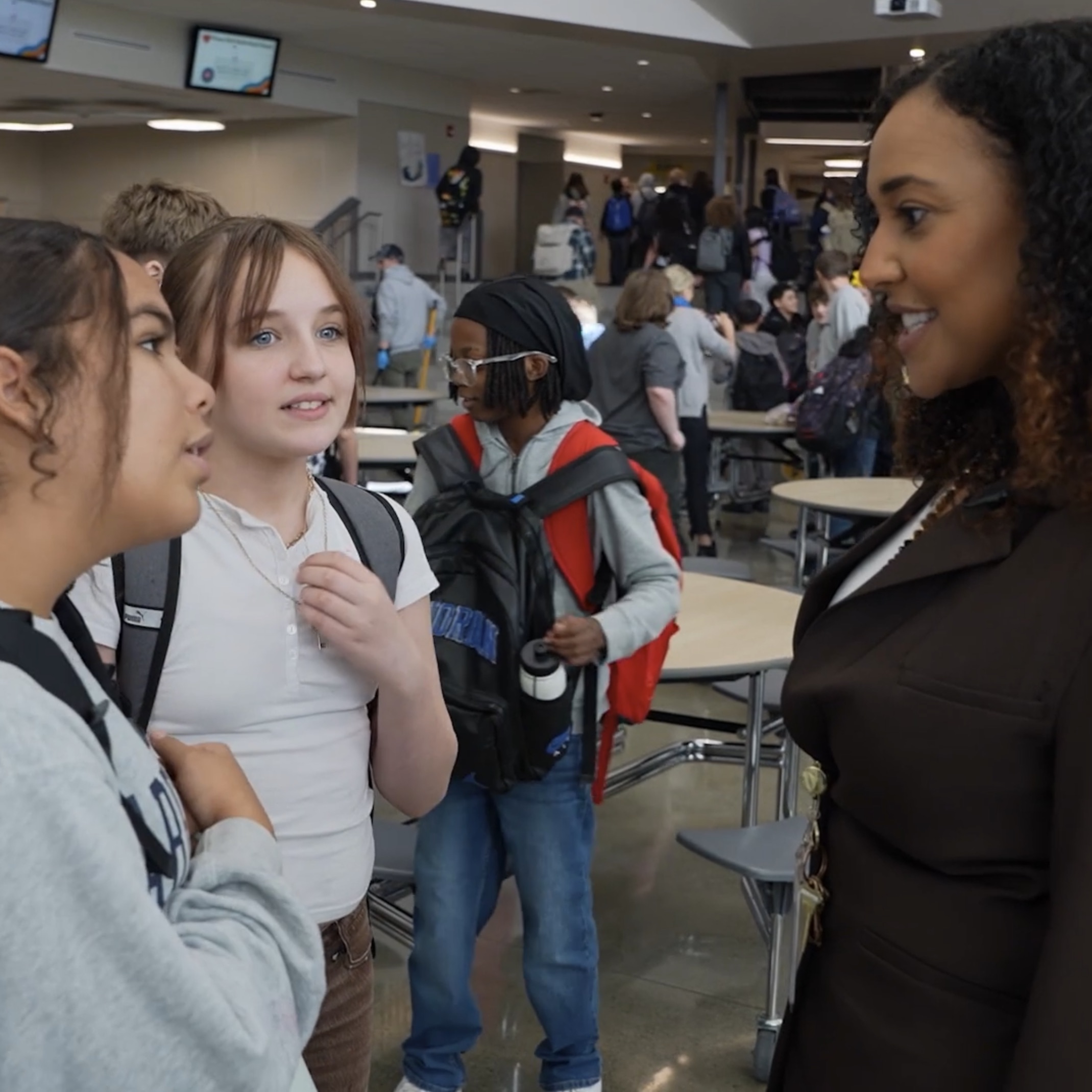
Many kids have nothing to do after school, so they go home to screens and, increasingly, AI chatbots. Spokane Public Schools tackled this by hiring "Engagement Navigators" who proactively find these students and help them get involved, a program we feature in Screenagers: Generation AI. I also share a patient's story, advice for parents whose teens refuse activities, and ways to help other kids get involved.
READ MORE >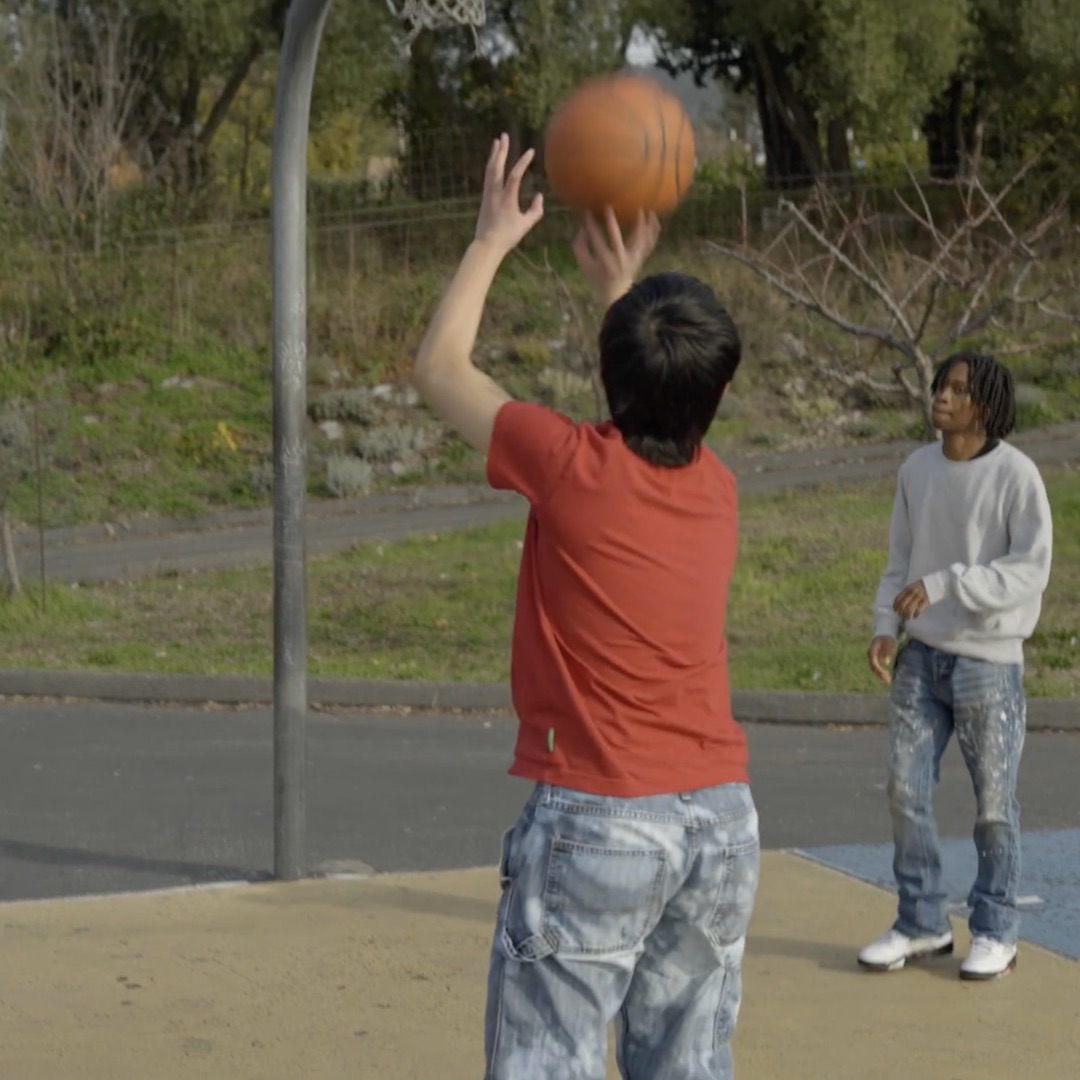
Tech journalist Manoush Zomorodi recently shared with Delaney the story behind her new book Body Electric and the citizen science experiment she ran with NPR and Dr. Keith Diaz of Columbia. The 20,000-person study found that five minutes of movement for every thirty minutes of sitting dropped fatigue by up to 28%, lowered blood glucose and blood pressure, and improved focus and mood. Plus, five practical reframes for talking to kids about movement without the eye rolls.
READ MORE >
for more like this, DR. DELANEY RUSTON'S NEW BOOK, PARENTING IN THE SCREEN AGE, IS THE DEFINITIVE GUIDE FOR TODAY’S PARENTS. WITH INSIGHTS ON SCREEN TIME FROM RESEARCHERS, INPUT FROM KIDS & TEENS, THIS BOOK IS PACKED WITH SOLUTIONS FOR HOW TO START AND SUSTAIN PRODUCTIVE FAMILY TALKS ABOUT TECHNOLOGY AND IT’S IMPACT ON OUR MENTAL WELLBEING.