


The other day a mom told me this funny (and not so funny) story. She had sent her son to the butcher’s and when he got there she got a text from him:
Son: Mom, do I have to talk with the butcher?
Mom: Yes! Yes, you do!!!
Son: Mom, why are you freaking out?
Mom: Because you are 16, you should be able to talk with the butcher!
There is no doubt that all of us want youth to grow up feeling comfortable talking with people in all sorts of settings—whether a butcher, a cashier, someone on a tram in the airport, and the list goes on.
Today I was talking with a 12-year-old about social media and self-confidence and he told me that posting pictures of himself doing cool things can “boost” his confidence. He then added, “...but, I feel like most of my confidence comes from actually talking to people in person because it is a lot harder.”
Since my kids were toddlers I started encouraging them to ask questions, make comments, ask directions, make requests, give compliments, and order food from people in the world that are new to them (in safe settings, of course). I am purposely not using the word “stranger” because that has taken on such negative connotations--the fact that it has “strange” in the word, the idea of “stranger danger”, etc.
Many of us now look down at devices when we are out in the world rather than interacting with others. We need to ask ourselves, ”At what cost?“ How important are these small interactions with others that we now forfeit so much more than in the past?
Psychologists Schroeder and Epley wanted to understand why strangers near each other seldom interact. First, they asked participants if they thought they would be happier talking with strangers or less happy talking with strangers. The majority said less happy, (and less productive). So, they embarked on a study by randomizing Chicago subway commuters to talk with those around them on the train, or not.
It turned out that the participants who interacted with their fellow commuters actually felt happier than those who were not randomized to do so. Why don’t people naturally talk to others more often? One of the hypothesis by the researchers is that many of us assume that strangers don’t want to talk to us. But actually, they found the opposite was true. Furthermore, the people who were spoken to by the participants in the study were also asked how that interaction made them feel, and they too reported feeling happier.
“The pleasure of connection seems contagious,” Schroeder and Epley write. “This research broadly suggests that people could improve their own momentary wellbeing—and that of others—by simply being more social with strangers, trying to create connections where one might otherwise choose isolation.”
Sadly there are many people who are experiencing loneliness on a regular basis.
As former Surgeon General Vivek Murthy wrote in his article in The Harvard Business Review, “During my years caring for patients, the most common pathology I saw was not heart disease or diabetes; it was loneliness.”
In a Forbes interview Murthy said “Loneliness and weak social connections are associated with a reduction in lifespan similar to that caused by smoking 15 cigarettes a day and even greater than that associated with obesity. Loneliness is also associated with a greater risk of cardiovascular disease, dementia, depression, and anxiety.”
It is so common for the people who are in their 70s or older who come to my clinic and are living alone to feel truly isolated. It is a gift we can give when we are present, even for a short moment, to engage with people around us.
Meanwhile, as we shop online more often, opportunities for real-time relating dwindles. JCPenny just filed for bankruptcy and it will be closing 2,300 stores. It is really sad to think of all the jobs lost. I remember fondly picking out bell bottom jeans at the JCPenny in my pre-teen years.
Modeling behavior that I want my kids to adapt is always on my mind. One thing I’m consciously working on is making sure to be off the phone when I get to the front of the line at the grocery store. I don’t want to miss the opportunity to connect to this stranger. Of course, I’m not perfect. and there have been times when I am on a call for an emergency and don’t feel comfortable jumping off the phone. So, I apologize to the cashier, via a whisper or right when I get off the phone.
We would love for you to share this TTT any way that works for you, whether that’s on social media or via a newsletter. If you want to send it out in your newsletter we just ask that you credit us and link to our website, and let us know at lisa@screenagersmovie.com.
HOST A SCREENING to help spark change.
FIND EVENT LISTINGS
Do you organize professional development in schools? We now have a 6-hour, 3-part training module. Request more information here Professional Development.
Stay in touch with the Screenagers community on Facebook, Twitter and leave comments below.


Learn more about showing our movies in your school or community!
Join Screenagers filmmaker Delaney Ruston MD for our latest Podcast

Learn more about our Screen-Free Sleep campaign at the website!
Our movie made for parents and educators of younger kids
Learn more about showing our movies in your school or community!
Register your interest in bringing our new movie to your school or community
Learn more about showing our movies in your school or community!
Join Screenagers filmmaker Delaney Ruston MD for our latest Podcast
Learn more about our Screen-Free Sleep campaign at the website!
Our movie made for parents and educators of younger kids
Join Screenagers filmmaker Delaney Ruston MD for our latest Podcast
Register your interest in bringing our new movie to your school or community
As we’re about to celebrate 10 years of Screenagers, we want to hear what’s been most helpful and what you’d like to see next.
Please click here to share your thoughts with us in our community survey. It only takes 5–10 minutes, and everyone who completes it will be entered to win one of five $50 Amazon vouchers.
The other day a mom told me this funny (and not so funny) story. She had sent her son to the butcher’s and when he got there she got a text from him:
Son: Mom, do I have to talk with the butcher?
Mom: Yes! Yes, you do!!!
Son: Mom, why are you freaking out?
Mom: Because you are 16, you should be able to talk with the butcher!
There is no doubt that all of us want youth to grow up feeling comfortable talking with people in all sorts of settings—whether a butcher, a cashier, someone on a tram in the airport, and the list goes on.
Today I was talking with a 12-year-old about social media and self-confidence and he told me that posting pictures of himself doing cool things can “boost” his confidence. He then added, “...but, I feel like most of my confidence comes from actually talking to people in person because it is a lot harder.”
Since my kids were toddlers I started encouraging them to ask questions, make comments, ask directions, make requests, give compliments, and order food from people in the world that are new to them (in safe settings, of course). I am purposely not using the word “stranger” because that has taken on such negative connotations--the fact that it has “strange” in the word, the idea of “stranger danger”, etc.
Many of us now look down at devices when we are out in the world rather than interacting with others. We need to ask ourselves, ”At what cost?“ How important are these small interactions with others that we now forfeit so much more than in the past?
Psychologists Schroeder and Epley wanted to understand why strangers near each other seldom interact. First, they asked participants if they thought they would be happier talking with strangers or less happy talking with strangers. The majority said less happy, (and less productive). So, they embarked on a study by randomizing Chicago subway commuters to talk with those around them on the train, or not.
It turned out that the participants who interacted with their fellow commuters actually felt happier than those who were not randomized to do so. Why don’t people naturally talk to others more often? One of the hypothesis by the researchers is that many of us assume that strangers don’t want to talk to us. But actually, they found the opposite was true. Furthermore, the people who were spoken to by the participants in the study were also asked how that interaction made them feel, and they too reported feeling happier.
“The pleasure of connection seems contagious,” Schroeder and Epley write. “This research broadly suggests that people could improve their own momentary wellbeing—and that of others—by simply being more social with strangers, trying to create connections where one might otherwise choose isolation.”
Sadly there are many people who are experiencing loneliness on a regular basis.
As former Surgeon General Vivek Murthy wrote in his article in The Harvard Business Review, “During my years caring for patients, the most common pathology I saw was not heart disease or diabetes; it was loneliness.”
In a Forbes interview Murthy said “Loneliness and weak social connections are associated with a reduction in lifespan similar to that caused by smoking 15 cigarettes a day and even greater than that associated with obesity. Loneliness is also associated with a greater risk of cardiovascular disease, dementia, depression, and anxiety.”
It is so common for the people who are in their 70s or older who come to my clinic and are living alone to feel truly isolated. It is a gift we can give when we are present, even for a short moment, to engage with people around us.
Meanwhile, as we shop online more often, opportunities for real-time relating dwindles. JCPenny just filed for bankruptcy and it will be closing 2,300 stores. It is really sad to think of all the jobs lost. I remember fondly picking out bell bottom jeans at the JCPenny in my pre-teen years.
Modeling behavior that I want my kids to adapt is always on my mind. One thing I’m consciously working on is making sure to be off the phone when I get to the front of the line at the grocery store. I don’t want to miss the opportunity to connect to this stranger. Of course, I’m not perfect. and there have been times when I am on a call for an emergency and don’t feel comfortable jumping off the phone. So, I apologize to the cashier, via a whisper or right when I get off the phone.
We would love for you to share this TTT any way that works for you, whether that’s on social media or via a newsletter. If you want to send it out in your newsletter we just ask that you credit us and link to our website, and let us know at lisa@screenagersmovie.com.
HOST A SCREENING to help spark change.
FIND EVENT LISTINGS
Do you organize professional development in schools? We now have a 6-hour, 3-part training module. Request more information here Professional Development.
Stay in touch with the Screenagers community on Facebook, Twitter and leave comments below.
Sign up here to receive the weekly Tech Talk Tuesdays newsletter from Screenagers filmmaker Delaney Ruston MD.
We respect your privacy.
The other day a mom told me this funny (and not so funny) story. She had sent her son to the butcher’s and when he got there she got a text from him:
Son: Mom, do I have to talk with the butcher?
Mom: Yes! Yes, you do!!!
Son: Mom, why are you freaking out?
Mom: Because you are 16, you should be able to talk with the butcher!
There is no doubt that all of us want youth to grow up feeling comfortable talking with people in all sorts of settings—whether a butcher, a cashier, someone on a tram in the airport, and the list goes on.
Today I was talking with a 12-year-old about social media and self-confidence and he told me that posting pictures of himself doing cool things can “boost” his confidence. He then added, “...but, I feel like most of my confidence comes from actually talking to people in person because it is a lot harder.”
Since my kids were toddlers I started encouraging them to ask questions, make comments, ask directions, make requests, give compliments, and order food from people in the world that are new to them (in safe settings, of course). I am purposely not using the word “stranger” because that has taken on such negative connotations--the fact that it has “strange” in the word, the idea of “stranger danger”, etc.
Many of us now look down at devices when we are out in the world rather than interacting with others. We need to ask ourselves, ”At what cost?“ How important are these small interactions with others that we now forfeit so much more than in the past?
Psychologists Schroeder and Epley wanted to understand why strangers near each other seldom interact. First, they asked participants if they thought they would be happier talking with strangers or less happy talking with strangers. The majority said less happy, (and less productive). So, they embarked on a study by randomizing Chicago subway commuters to talk with those around them on the train, or not.
It turned out that the participants who interacted with their fellow commuters actually felt happier than those who were not randomized to do so. Why don’t people naturally talk to others more often? One of the hypothesis by the researchers is that many of us assume that strangers don’t want to talk to us. But actually, they found the opposite was true. Furthermore, the people who were spoken to by the participants in the study were also asked how that interaction made them feel, and they too reported feeling happier.
“The pleasure of connection seems contagious,” Schroeder and Epley write. “This research broadly suggests that people could improve their own momentary wellbeing—and that of others—by simply being more social with strangers, trying to create connections where one might otherwise choose isolation.”
Sadly there are many people who are experiencing loneliness on a regular basis.
As former Surgeon General Vivek Murthy wrote in his article in The Harvard Business Review, “During my years caring for patients, the most common pathology I saw was not heart disease or diabetes; it was loneliness.”
In a Forbes interview Murthy said “Loneliness and weak social connections are associated with a reduction in lifespan similar to that caused by smoking 15 cigarettes a day and even greater than that associated with obesity. Loneliness is also associated with a greater risk of cardiovascular disease, dementia, depression, and anxiety.”
It is so common for the people who are in their 70s or older who come to my clinic and are living alone to feel truly isolated. It is a gift we can give when we are present, even for a short moment, to engage with people around us.
Meanwhile, as we shop online more often, opportunities for real-time relating dwindles. JCPenny just filed for bankruptcy and it will be closing 2,300 stores. It is really sad to think of all the jobs lost. I remember fondly picking out bell bottom jeans at the JCPenny in my pre-teen years.
Modeling behavior that I want my kids to adapt is always on my mind. One thing I’m consciously working on is making sure to be off the phone when I get to the front of the line at the grocery store. I don’t want to miss the opportunity to connect to this stranger. Of course, I’m not perfect. and there have been times when I am on a call for an emergency and don’t feel comfortable jumping off the phone. So, I apologize to the cashier, via a whisper or right when I get off the phone.
We would love for you to share this TTT any way that works for you, whether that’s on social media or via a newsletter. If you want to send it out in your newsletter we just ask that you credit us and link to our website, and let us know at lisa@screenagersmovie.com.
HOST A SCREENING to help spark change.
FIND EVENT LISTINGS
Do you organize professional development in schools? We now have a 6-hour, 3-part training module. Request more information here Professional Development.
Stay in touch with the Screenagers community on Facebook, Twitter and leave comments below.
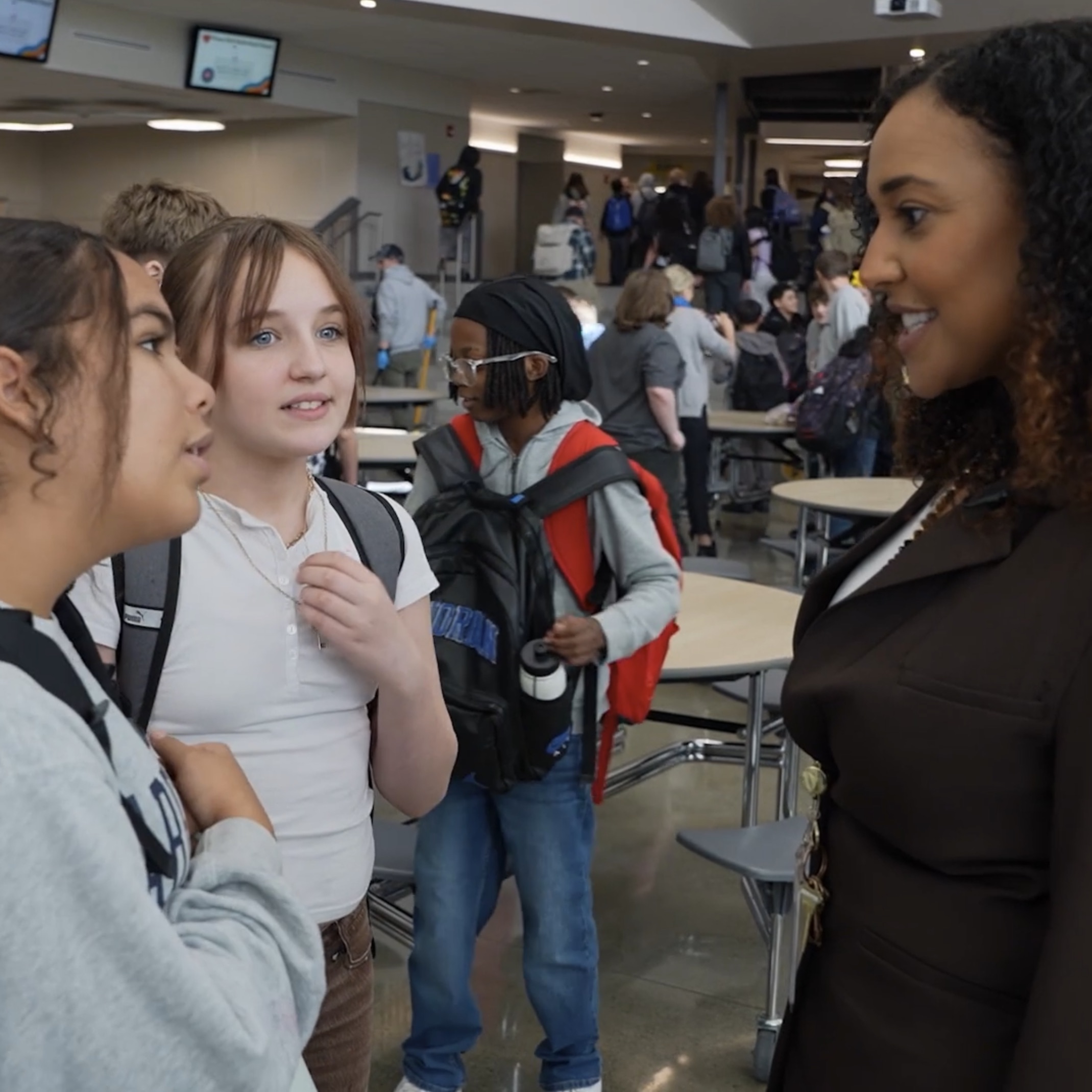
Many kids have nothing to do after school, so they go home to screens and, increasingly, AI chatbots. Spokane Public Schools tackled this by hiring "Engagement Navigators" who proactively find these students and help them get involved, a program we feature in Screenagers: Generation AI. I also share a patient's story, advice for parents whose teens refuse activities, and ways to help other kids get involved.
READ MORE >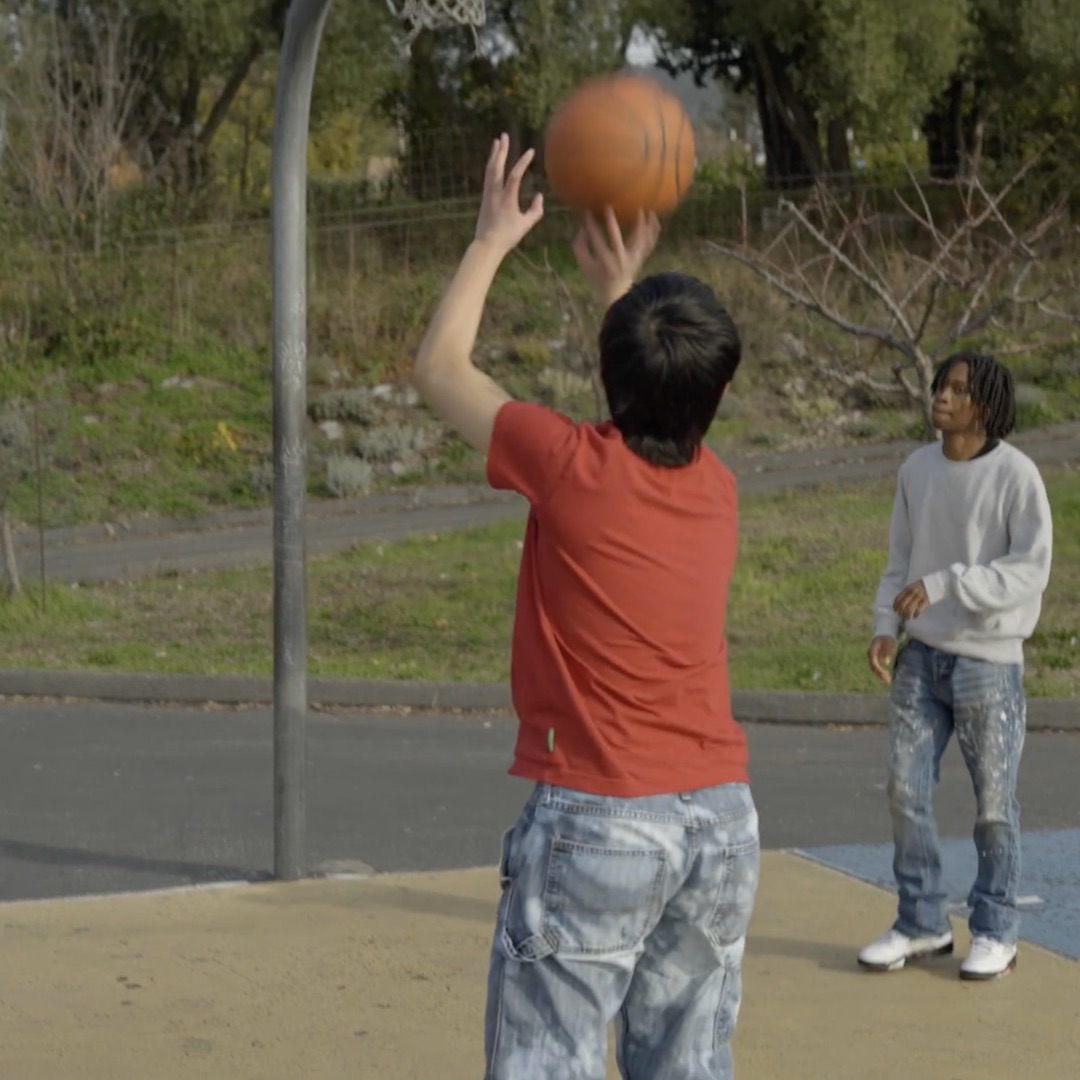
Tech journalist Manoush Zomorodi recently shared with Delaney the story behind her new book Body Electric and the citizen science experiment she ran with NPR and Dr. Keith Diaz of Columbia. The 20,000-person study found that five minutes of movement for every thirty minutes of sitting dropped fatigue by up to 28%, lowered blood glucose and blood pressure, and improved focus and mood. Plus, five practical reframes for talking to kids about movement without the eye rolls.
READ MORE >
for more like this, DR. DELANEY RUSTON'S NEW BOOK, PARENTING IN THE SCREEN AGE, IS THE DEFINITIVE GUIDE FOR TODAY’S PARENTS. WITH INSIGHTS ON SCREEN TIME FROM RESEARCHERS, INPUT FROM KIDS & TEENS, THIS BOOK IS PACKED WITH SOLUTIONS FOR HOW TO START AND SUSTAIN PRODUCTIVE FAMILY TALKS ABOUT TECHNOLOGY AND IT’S IMPACT ON OUR MENTAL WELLBEING.