



Teens who don't get enough sleep (less than 7 hours) are at risk for engaging in risky behaviors including driving with someone drunk and drinking and driving, according to a recently released CDC survey. Here's what they found:
"Insufficient sleep is common among high school students and is associated with an increased risk for unintentional injury from drowsy driving crashes and other causes.
Students who reported sleeping ≤7 hours on school nights were more likely to report several injury-related risk behaviors (infrequent bicycle helmet use, infrequent seatbelt use, riding with a driver who had been drinking, drinking and driving, and texting while driving) compared with students who sleep 9 hours."
The National Sleep Foundation recommends teens 14–17 years should get 8–10 hours of sleep per night.
Wheaton AG, Olsen EO, Miller GF, Croft JB. Sleep Duration and Injury-Related Risk Behaviors Among High School Students — United States, 2007–2013. MMWR Morb Mortal Wkly Rep 2016;65:337–341. DOI: http://dx.doi.org/10.15585/mmwr.mm6513a1


Learn more about showing our movies in your school or community!
Join Screenagers filmmaker Delaney Ruston MD for our latest Podcast

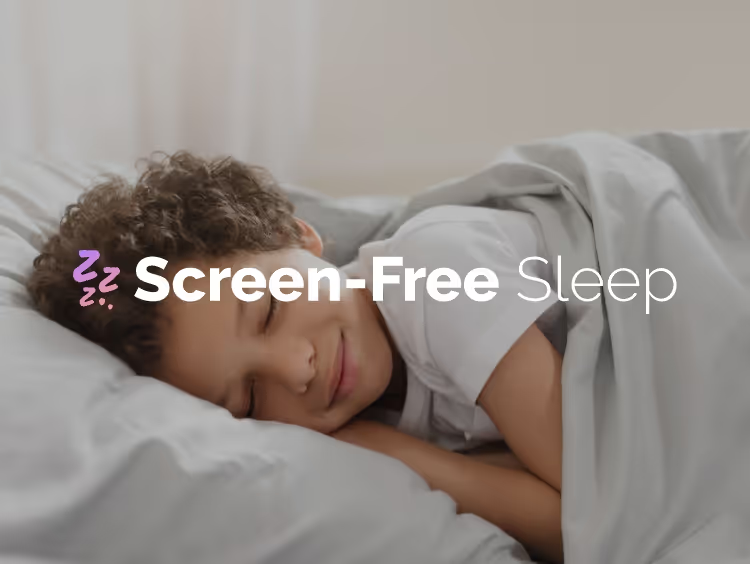
Learn more about our Screen-Free Sleep campaign at the website!
Our movie made for parents and educators of younger kids
Learn more about showing our movies in your school or community!
Register your interest in bringing our new movie to your school or community
Learn more about showing our movies in your school or community!
Join Screenagers filmmaker Delaney Ruston MD for our latest Podcast
Learn more about our Screen-Free Sleep campaign at the website!
Our movie made for parents and educators of younger kids
Join Screenagers filmmaker Delaney Ruston MD for our latest Podcast
Register your interest in bringing our new movie to your school or community

As we’re about to celebrate 10 years of Screenagers, we want to hear what’s been most helpful and what you’d like to see next.
Please click here to share your thoughts with us in our community survey. It only takes 5–10 minutes, and everyone who completes it will be entered to win one of five $50 Amazon vouchers.
Teens who don't get enough sleep (less than 7 hours) are at risk for engaging in risky behaviors including driving with someone drunk and drinking and driving, according to a recently released CDC survey. Here's what they found:
"Insufficient sleep is common among high school students and is associated with an increased risk for unintentional injury from drowsy driving crashes and other causes.
Students who reported sleeping ≤7 hours on school nights were more likely to report several injury-related risk behaviors (infrequent bicycle helmet use, infrequent seatbelt use, riding with a driver who had been drinking, drinking and driving, and texting while driving) compared with students who sleep 9 hours."
The National Sleep Foundation recommends teens 14–17 years should get 8–10 hours of sleep per night.
Wheaton AG, Olsen EO, Miller GF, Croft JB. Sleep Duration and Injury-Related Risk Behaviors Among High School Students — United States, 2007–2013. MMWR Morb Mortal Wkly Rep 2016;65:337–341. DOI: http://dx.doi.org/10.15585/mmwr.mm6513a1
Sign up here to receive the weekly Tech Talk Tuesdays newsletter from Screenagers filmmaker Delaney Ruston MD.
We respect your privacy.
Teens who don't get enough sleep (less than 7 hours) are at risk for engaging in risky behaviors including driving with someone drunk and drinking and driving, according to a recently released CDC survey. Here's what they found:
"Insufficient sleep is common among high school students and is associated with an increased risk for unintentional injury from drowsy driving crashes and other causes.
Students who reported sleeping ≤7 hours on school nights were more likely to report several injury-related risk behaviors (infrequent bicycle helmet use, infrequent seatbelt use, riding with a driver who had been drinking, drinking and driving, and texting while driving) compared with students who sleep 9 hours."
The National Sleep Foundation recommends teens 14–17 years should get 8–10 hours of sleep per night.
Wheaton AG, Olsen EO, Miller GF, Croft JB. Sleep Duration and Injury-Related Risk Behaviors Among High School Students — United States, 2007–2013. MMWR Morb Mortal Wkly Rep 2016;65:337–341. DOI: http://dx.doi.org/10.15585/mmwr.mm6513a1
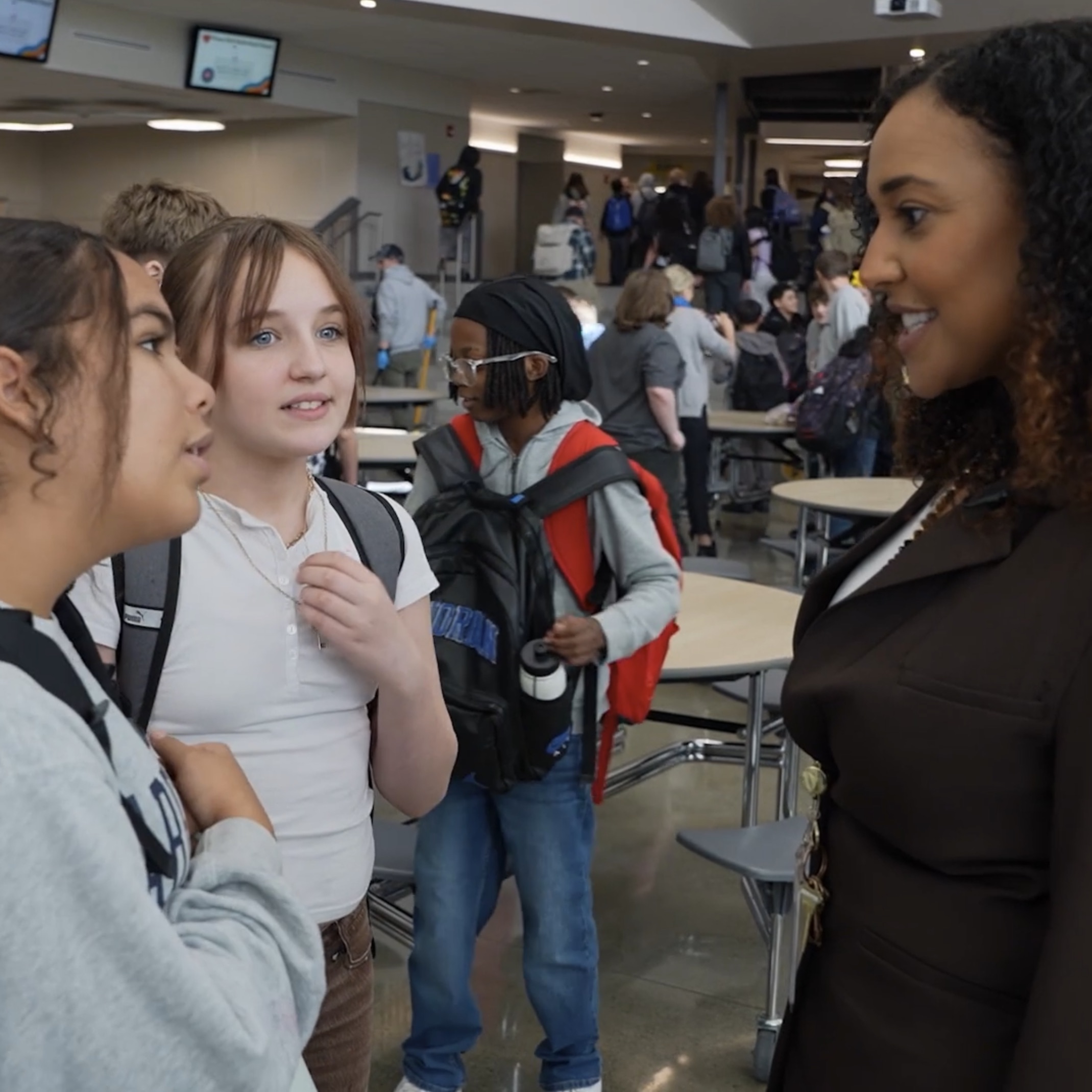
Many kids have nothing to do after school, so they go home to screens and, increasingly, AI chatbots. Spokane Public Schools tackled this by hiring "Engagement Navigators" who proactively find these students and help them get involved, a program we feature in Screenagers: Generation AI. I also share a patient's story, advice for parents whose teens refuse activities, and ways to help other kids get involved.
READ MORE >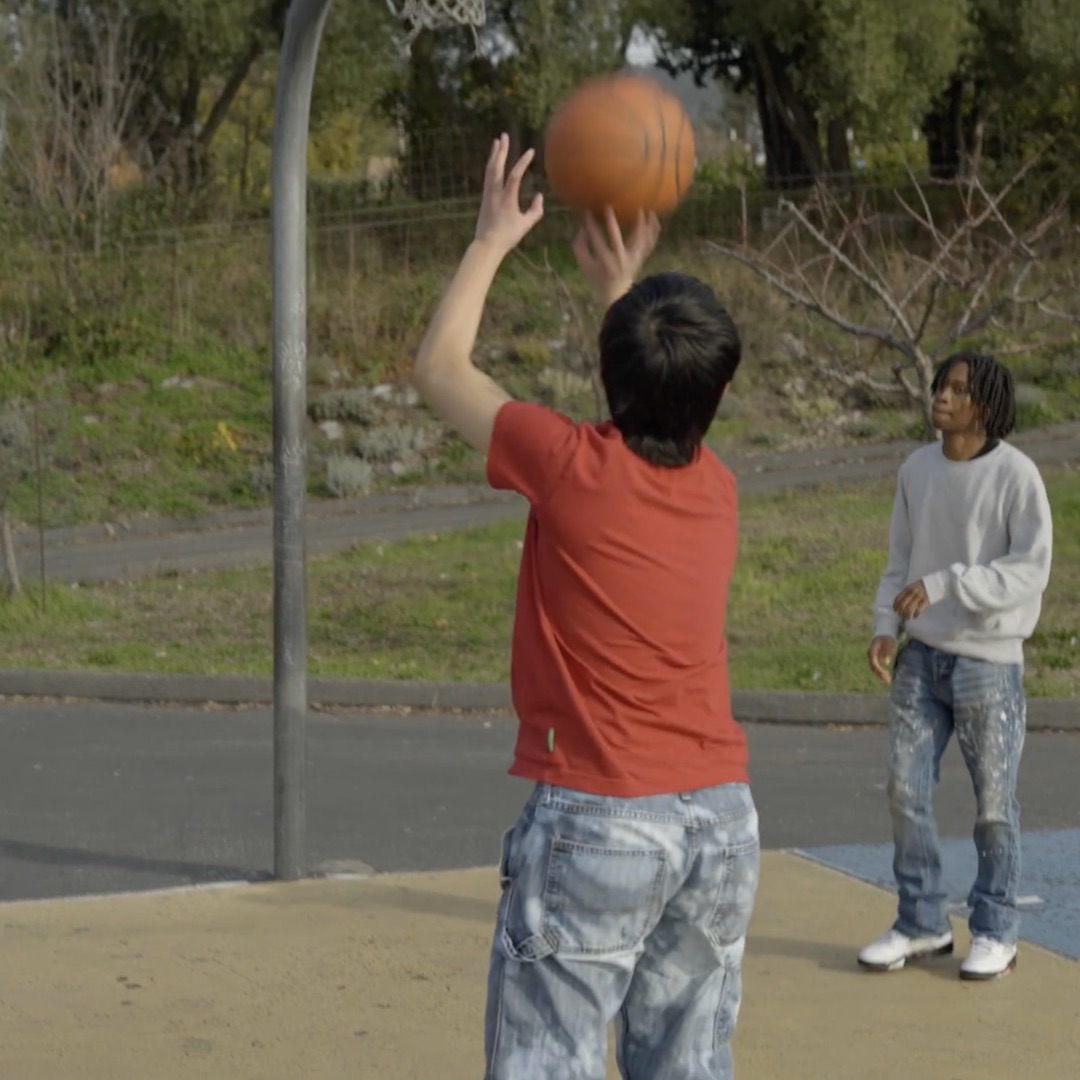
Tech journalist Manoush Zomorodi recently shared with Delaney the story behind her new book Body Electric and the citizen science experiment she ran with NPR and Dr. Keith Diaz of Columbia. The 20,000-person study found that five minutes of movement for every thirty minutes of sitting dropped fatigue by up to 28%, lowered blood glucose and blood pressure, and improved focus and mood. Plus, five practical reframes for talking to kids about movement without the eye rolls.
READ MORE >
for more like this, DR. DELANEY RUSTON'S NEW BOOK, PARENTING IN THE SCREEN AGE, IS THE DEFINITIVE GUIDE FOR TODAY’S PARENTS. WITH INSIGHTS ON SCREEN TIME FROM RESEARCHERS, INPUT FROM KIDS & TEENS, THIS BOOK IS PACKED WITH SOLUTIONS FOR HOW TO START AND SUSTAIN PRODUCTIVE FAMILY TALKS ABOUT TECHNOLOGY AND IT’S IMPACT ON OUR MENTAL WELLBEING.