



For the last decade, I’ve asked this one question to hundreds of kids and teens all over the country:
“When it comes to screen time issues, what is the one thing you would want your parents to know?” And I almost always got the same response. “I want them to know they can trust me.”
There was such sincerity in their eyes and voices as they told me this. And then, later, many would share with me various ways they have snuck screen time at home!
What became clear to me as we spoke further was when they talked about trust, they were actually talking about their need to feel trusted, and that was way bigger than any screen time issue. These kids would express how important it was to them that they felt like their parents had true confidence in their abilities — trust in their ability to succeed in life.
Through reading the research on youth development, I have learned how much youth want and need confidence from their care providers, even when they act as if they don’t. I often think about all they are going through — navigating their endless self-critique and ongoing comparisons to others, both off and online. They are growing up in a society that idolizes individualism and competition, which can be incredibly taxing. (This is why I loved last week’s TTT about ways we as parents can call out the many areas of strength we see in our kids. I continue the theme in my Screenagers Podcast later this week.)
You might be saying, wait, maybe they just meant they want their parents to trust them and stop bothering them about screen time rules. Sure, that might be true, but plenty of kids and tweens, and yes, even teens have told me that they need help not letting screen time take over — and that they appreciate having limits in their home.
We know that fibbing, withholding key data, telling white lies, and telling big lies occur with our kids and teens (and adults). For many parents, even though we know this, we feel strong emotions when we learn our child has lied or withheld the truth. We take it personally and worry about our kids. It is really hard. It does not surprise me that in surveys of parents it is revealed that honesty is in the top 3 characteristics we want in our children. I am not condoning lying. I firmly believe that to build solid relationships, there needs to be a foundation of trust — and that is why calm conversations about this topic are important.
During COVID, there is a lot to discuss regarding who we trust on social media and the media at large. Talking about groups with long-standing existence such as the ACLU as a place to get information — or the CDC or WHO as reliable sources. They have many people overseeing and double-checking information before it goes out into the world. There is plenty of clickbait and dubious posts that should not be trusted.
This is a time of reflection about friendships and relationships and the mutual trust we’ve developed over time. I have so appreciated the emails and calls I have received from old friends. I have loved reaching out to people, by calling them and sending cards and chocolate (my joy to send).
I always tell my students that the most meaningful things in life are things that have been challenging. Thinking about this today, this definitely can apply to our closest friends, particularly ones from childhood. There is a good chance that with your oldest friends, there were issues around trust or other issues, and it is because you worked things out during those hard times that you feel particularly close now.
Having a conversation today about trust is such a great talk to have, and hopefully, you are not in any family battles over trust issues right now. If you are, I recommend not getting too personal during your Tech Talk Tuesday time, and then have a conversation about trust at a later time.
We NOW have a way for people to host online events during this time. We still strongly believe in the coming together as a group model for showing both movies, so these temporary online events will be here only while the social distancing is in place.
Click here if you are interested in hosting an ONLINE screening for your community.
Click here if you want to attend an ONLINE screening.
Subscribe to our podcast.


Learn more about showing our movies in your school or community!
Join Screenagers filmmaker Delaney Ruston MD for our latest Podcast

Learn more about our Screen-Free Sleep campaign at the website!
Our movie made for parents and educators of younger kids
Learn more about showing our movies in your school or community!
Register your interest in bringing our new movie to your school or community
Learn more about showing our movies in your school or community!
Join Screenagers filmmaker Delaney Ruston MD for our latest Podcast
Learn more about our Screen-Free Sleep campaign at the website!
Our movie made for parents and educators of younger kids
Join Screenagers filmmaker Delaney Ruston MD for our latest Podcast
Register your interest in bringing our new movie to your school or community

As we’re about to celebrate 10 years of Screenagers, we want to hear what’s been most helpful and what you’d like to see next.
Please click here to share your thoughts with us in our community survey. It only takes 5–10 minutes, and everyone who completes it will be entered to win one of five $50 Amazon vouchers.
For the last decade, I’ve asked this one question to hundreds of kids and teens all over the country:
“When it comes to screen time issues, what is the one thing you would want your parents to know?” And I almost always got the same response. “I want them to know they can trust me.”
There was such sincerity in their eyes and voices as they told me this. And then, later, many would share with me various ways they have snuck screen time at home!
What became clear to me as we spoke further was when they talked about trust, they were actually talking about their need to feel trusted, and that was way bigger than any screen time issue. These kids would express how important it was to them that they felt like their parents had true confidence in their abilities — trust in their ability to succeed in life.
Through reading the research on youth development, I have learned how much youth want and need confidence from their care providers, even when they act as if they don’t. I often think about all they are going through — navigating their endless self-critique and ongoing comparisons to others, both off and online. They are growing up in a society that idolizes individualism and competition, which can be incredibly taxing. (This is why I loved last week’s TTT about ways we as parents can call out the many areas of strength we see in our kids. I continue the theme in my Screenagers Podcast later this week.)
You might be saying, wait, maybe they just meant they want their parents to trust them and stop bothering them about screen time rules. Sure, that might be true, but plenty of kids and tweens, and yes, even teens have told me that they need help not letting screen time take over — and that they appreciate having limits in their home.
We know that fibbing, withholding key data, telling white lies, and telling big lies occur with our kids and teens (and adults). For many parents, even though we know this, we feel strong emotions when we learn our child has lied or withheld the truth. We take it personally and worry about our kids. It is really hard. It does not surprise me that in surveys of parents it is revealed that honesty is in the top 3 characteristics we want in our children. I am not condoning lying. I firmly believe that to build solid relationships, there needs to be a foundation of trust — and that is why calm conversations about this topic are important.
During COVID, there is a lot to discuss regarding who we trust on social media and the media at large. Talking about groups with long-standing existence such as the ACLU as a place to get information — or the CDC or WHO as reliable sources. They have many people overseeing and double-checking information before it goes out into the world. There is plenty of clickbait and dubious posts that should not be trusted.
This is a time of reflection about friendships and relationships and the mutual trust we’ve developed over time. I have so appreciated the emails and calls I have received from old friends. I have loved reaching out to people, by calling them and sending cards and chocolate (my joy to send).
I always tell my students that the most meaningful things in life are things that have been challenging. Thinking about this today, this definitely can apply to our closest friends, particularly ones from childhood. There is a good chance that with your oldest friends, there were issues around trust or other issues, and it is because you worked things out during those hard times that you feel particularly close now.
Having a conversation today about trust is such a great talk to have, and hopefully, you are not in any family battles over trust issues right now. If you are, I recommend not getting too personal during your Tech Talk Tuesday time, and then have a conversation about trust at a later time.
We NOW have a way for people to host online events during this time. We still strongly believe in the coming together as a group model for showing both movies, so these temporary online events will be here only while the social distancing is in place.
Click here if you are interested in hosting an ONLINE screening for your community.
Click here if you want to attend an ONLINE screening.
Subscribe to our podcast.
Sign up here to receive the weekly Tech Talk Tuesdays newsletter from Screenagers filmmaker Delaney Ruston MD.
We respect your privacy.
For the last decade, I’ve asked this one question to hundreds of kids and teens all over the country:
“When it comes to screen time issues, what is the one thing you would want your parents to know?” And I almost always got the same response. “I want them to know they can trust me.”
There was such sincerity in their eyes and voices as they told me this. And then, later, many would share with me various ways they have snuck screen time at home!
What became clear to me as we spoke further was when they talked about trust, they were actually talking about their need to feel trusted, and that was way bigger than any screen time issue. These kids would express how important it was to them that they felt like their parents had true confidence in their abilities — trust in their ability to succeed in life.
Through reading the research on youth development, I have learned how much youth want and need confidence from their care providers, even when they act as if they don’t. I often think about all they are going through — navigating their endless self-critique and ongoing comparisons to others, both off and online. They are growing up in a society that idolizes individualism and competition, which can be incredibly taxing. (This is why I loved last week’s TTT about ways we as parents can call out the many areas of strength we see in our kids. I continue the theme in my Screenagers Podcast later this week.)
You might be saying, wait, maybe they just meant they want their parents to trust them and stop bothering them about screen time rules. Sure, that might be true, but plenty of kids and tweens, and yes, even teens have told me that they need help not letting screen time take over — and that they appreciate having limits in their home.
We know that fibbing, withholding key data, telling white lies, and telling big lies occur with our kids and teens (and adults). For many parents, even though we know this, we feel strong emotions when we learn our child has lied or withheld the truth. We take it personally and worry about our kids. It is really hard. It does not surprise me that in surveys of parents it is revealed that honesty is in the top 3 characteristics we want in our children. I am not condoning lying. I firmly believe that to build solid relationships, there needs to be a foundation of trust — and that is why calm conversations about this topic are important.
During COVID, there is a lot to discuss regarding who we trust on social media and the media at large. Talking about groups with long-standing existence such as the ACLU as a place to get information — or the CDC or WHO as reliable sources. They have many people overseeing and double-checking information before it goes out into the world. There is plenty of clickbait and dubious posts that should not be trusted.
This is a time of reflection about friendships and relationships and the mutual trust we’ve developed over time. I have so appreciated the emails and calls I have received from old friends. I have loved reaching out to people, by calling them and sending cards and chocolate (my joy to send).
I always tell my students that the most meaningful things in life are things that have been challenging. Thinking about this today, this definitely can apply to our closest friends, particularly ones from childhood. There is a good chance that with your oldest friends, there were issues around trust or other issues, and it is because you worked things out during those hard times that you feel particularly close now.
Having a conversation today about trust is such a great talk to have, and hopefully, you are not in any family battles over trust issues right now. If you are, I recommend not getting too personal during your Tech Talk Tuesday time, and then have a conversation about trust at a later time.
We NOW have a way for people to host online events during this time. We still strongly believe in the coming together as a group model for showing both movies, so these temporary online events will be here only while the social distancing is in place.
Click here if you are interested in hosting an ONLINE screening for your community.
Click here if you want to attend an ONLINE screening.
Subscribe to our podcast.
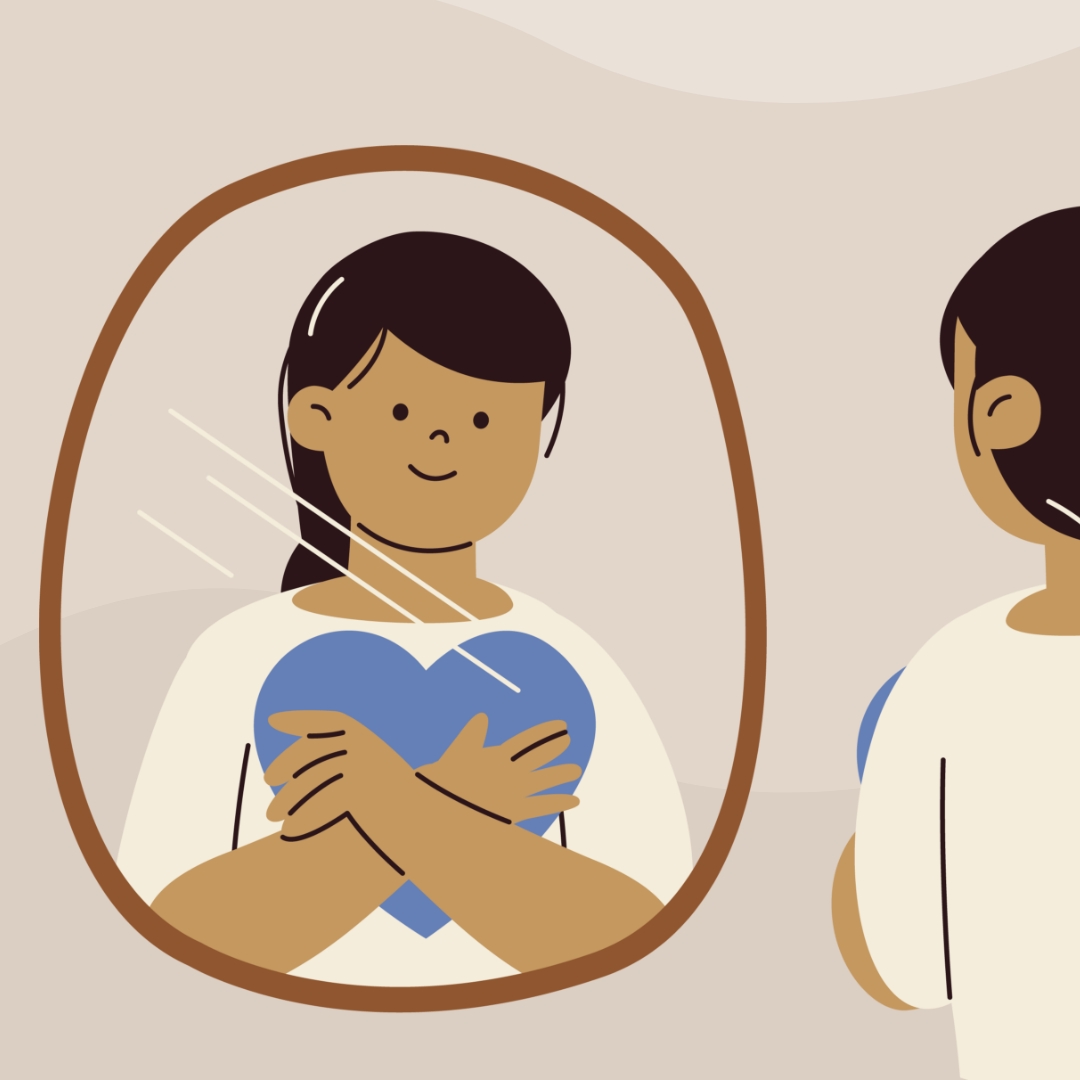
I've been noticing the ways I can be rude, in person and on my phone. This week I share two recent examples of my own, plus why correcting myself out loud strengthens self-awareness. The talk that follows isn't about your kid. It's about you going first.
READ MORE >
An Oakland library has started lending out sports equipment and games alongside books, so families can borrow gear to use at nearby parks. It is a reminder that borrowing and lending between families is a simple way to fill a summer afternoon without a screen, while quietly modelling generosity and humility. We are out of practice at asking, but the person on the other end is usually glad to help.
READ MORE >
E-readers are convenient, but there are three reasons to lean toward paper books this summer. First, e-readers are screens, and the pull of everything else you could do on one makes it harder to stay immersed. Second, a large meta-analysis found people understand and remember slightly better on paper, especially with longer texts. Third, easy access to endless book samples makes it too tempting to jump ship rather than work through the slower parts, since reading, unlike TikTok, is about delayed gratification.
READ MORE >for more like this, DR. DELANEY RUSTON'S NEW BOOK, PARENTING IN THE SCREEN AGE, IS THE DEFINITIVE GUIDE FOR TODAY’S PARENTS. WITH INSIGHTS ON SCREEN TIME FROM RESEARCHERS, INPUT FROM KIDS & TEENS, THIS BOOK IS PACKED WITH SOLUTIONS FOR HOW TO START AND SUSTAIN PRODUCTIVE FAMILY TALKS ABOUT TECHNOLOGY AND IT’S IMPACT ON OUR MENTAL WELLBEING.