


The Cornell case has raised urgent questions for parents about drugs, alcohol, and consent. This post includes 6 key points to bring up with tweens/teens whether you talk about this case or about drugs and consent more broadly, including a powerful question to help them think about what true consent means.
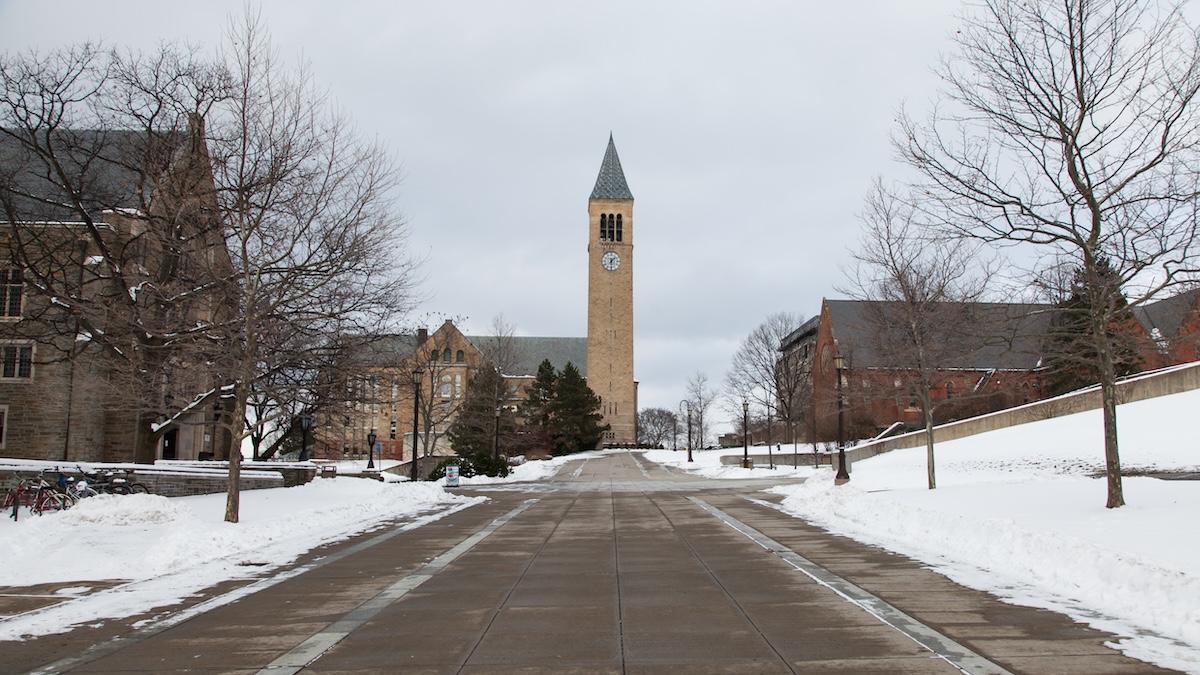
If you’re unfamiliar with the case, in a lawsuit filed this fall, a former Cornell student identified as Jane Doe says that in October 2024, at a campus fraternity house, she was given ketamine, cannabis, and alcohol and sexually assaulted by multiple men.
The case has led prosecutors to reopen their investigation and Cornell to respond by suspending fraternity parties for the rest of the academic year, among other measures. As such, please know that this post discusses sexual assault, drugs, and alcohol.
I went to Cornell as an undergrad. What allegedly happened to Jane Doe during a night in 2024, involving seven males, is gut-wrenching.
GUT-WRENCHING.
I have been following the case in detail. There are a slew of important topics the case brings up, but today I focus primarily on drugs, such as ketamine, and on consent.
I’m sharing 6 points I strongly recommend you say to your tweens/teens, whether you talk about this case or about drugs and consent more broadly.
Make sure to get to point #4 because it has to do with AI and drugs. (BTW, you don't need to know about the Cornell incident to get something out of this blog.)
Let's go.
When I was a medical student, I spent weeks on an anesthesiology rotation, working each day alongside anesthesiologists as they practiced their skilled craft of allowing patients to undergo surgery while unconscious and free of pain.
It was during that rotation that I learned about ketamine. It was not a first-choice anesthetic for most surgeries, but it was, and still is, used in both children and adults in certain situations.
Importantly, ketamine has long been known to produce dissociative anesthesia, a state in which patients can appear awake, sometimes even with their eyes open, while being profoundly disconnected from their surroundings and their perception of pain.
As a street drug: Some people use ketamine recreationally because it can produce feelings of relaxation and a dreamlike sense of floating or being detached from their bodies and surroundings.
Ketamine can be swallowed, snorted, or injected. Its effects depend on the dose, but can include feelings of detachment from one's body, confusion, distorted perceptions of time and space, impaired coordination, and memory problems. At higher doses, a person can become so dissociated that they are largely unaware of what is happening around them and unable to respond normally.
This is one reason ketamine is particularly concerning in the context of sexual assault. Under its influence, a person may be unable to protect themselves, communicate clearly, or remember what happened later. Someone can appear to be conscious while being profoundly impaired.
#1 Be sure to say that: Having one's eyes open, being able to move, or even speaking does not necessarily mean a person has the capacity to consent, be it with ketamine or any substance!
Alcohol is one of the drugs allegedly involved in the Cornell tragedy. It is a drug that is VERY OFTEN at the center of problematic sexual encounters on college campuses. (Alcohol is a drug, although we often talk about it as if it is somehow separate from other drugs.)
In Screenagers Under The Influence, psychologist Lisa Damour makes a key point we, as parents, cannot weave into conversations enough. She says:
“Teens may find themselves in situations where things occur in the context of a physical interaction that they don't feel they've consented to and that that is more likely to occur if they've been drinking, they're more likely to violate someone else's consent, and they're more likely to have their own consent violated.”
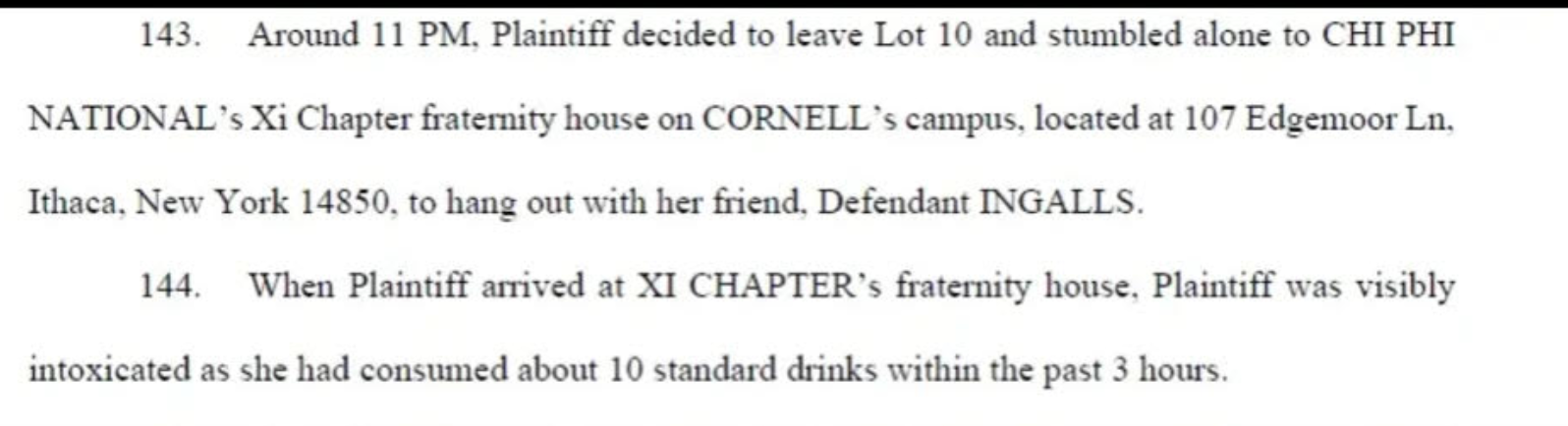
Something I think about is that it is really hard to be sure how much someone has drunk. Looking at Jane Doe’s lawsuit, it states that she may have had 10 drinks in 3 hours before arriving at the frat.
#2 Be sure to say: Research shows that the prefrontal cortex, the part of the brain that helps us make rational decisions and control impulses, is still developing during adolescence and into young adulthood. Alcohol interferes with these abilities, making it harder to exercise good judgment and control impulses.


Learn more about showing our movies in your school or community!
Join Screenagers filmmaker Delaney Ruston MD for our latest Podcast

Learn more about our Screen-Free Sleep campaign at the website!
Our movie made for parents and educators of younger kids
Learn more about showing our movies in your school or community!
Register your interest in bringing our new movie to your school or community
This was also allegedly given to Jane Doe the night of the tragedy. There continues to be a myth that weed is "not such a big deal." The truth is that cannabis can seriously impair judgment and decision-making, and can be a factor in situations involving sexual assault.
Researcher Yasmin Hurd in Screenagers Under The Influence states that
“The original plant had about two to four percent THC. Today THC in cannabis consumed recreationally can be anywhere from 16 to 24 percent THC and even go up to like 80-90 percent.”
#3 Be sure to say that: Cannabis is a very strong drug. It can greatly impair rational decision-making and can’t be taken lightly.
While AI and drugs don't directly relate to the Cornell tragedy, it's an important one to raise with youth at this time in history. People have been going to AI platforms asking about drugs. Teens do this as well. While the large frontier models are supposed to give safe responses about drugs and not promote use, answers can be misleading and worse.
In Screenagers: Generation AI, we hear from his parents the story of college student Sam, who was going to ChatGPT to learn how to take the drug kratom safely. We know because the chats were saved in his ChatGPT account.
At first, the platform said it could not talk to him about it, but over time its own safety measures began to change and it started talking to him about drugs, offering usage advice, dosage suggestions, and shockingly even said it could help him have a better trip!
ChatGPT eventually gave him advice about mixing substances. As a physician, I believe this combination was dangerous and would not have been recommended or prescribed by a doctor, which is a point I also make in the film.
His parents are suing OpenAI, alleging that ChatGPT’s advice played a significant role in Sam’s death.
#4 Be sure to say that: Going to AI for drug information can be very problematic, giving wrong information and even giving advice that has led to death in certain situations.
Consent becomes incredibly problematic when people are intoxicated with drugs. I have been incredibly saddened to learn about a troubling gap in New York law.
The law recognizes that a person cannot consent when they are physically helpless or incapacitated by drugs or alcohol that was administered without their consent.
However, when someone voluntarily drinks alcohol or takes drugs, even to the point of being severely impaired, the law does not always recognize that intoxication as making them legally incapable of consenting.
This is deeply troubling to me. Just because someone voluntarily drinks alcohol or uses other drugs does not mean they have consented to sexual activity.
Based on the allegations and evidence described in the Cornell case, I believe Jane Doe was in no state to give meaningful consent. I don't care that she drank. Of note, she was also allegedly given other drugs. Whether she consented to taking them, and whether she was even in a state to make that decision, are important questions.
I am very hopeful that this horrific incident will prompt New York to reconsider its law.
#5 Be sure to say that: Always assume that true consent cannot be given if a person has drunk or taken any other drugs.
#6 If you have discussed the Cornell tragedy with your teen, then I believe a really important question to ask is:
"If it were a few days before the event, and everyone involved was completely sober, let's say at 4 p.m. on a school day, and someone described the events as they would unfold, would any of them have wanted those events to happen? Would Jane Doe have said yes? Would the males involved have said yes to their own actions?”
For me, true consent would have to be something a person could freely and knowingly give in that type of situation.
There are SO MANY points that the Cornell incident brings up. I have been talking with Lisa Wade about the incident. She is a wonderful researcher and author of American Hookup, and you can catch a past conversation I had with her in this podcast episode.
I will be sharing insights from Lisa Wade on other issues related to the Cornell incident at a later date.
Learn more about showing our movies in your school or community!
Join Screenagers filmmaker Delaney Ruston MD for our latest Podcast
Learn more about our Screen-Free Sleep campaign at the website!
Our movie made for parents and educators of younger kids
Join Screenagers filmmaker Delaney Ruston MD for our latest Podcast
Register your interest in bringing our new movie to your school or community
Subscribe to our YouTube Channel! We add new videos regularly and you'll find over 100 videos covering parenting advice, guidance, podcasts, movie clips and more. Here's our most recent:

As we’re about to celebrate 10 years of Screenagers, we want to hear what’s been most helpful and what you’d like to see next.
Please click here to share your thoughts with us in our community survey. It only takes 5–10 minutes, and everyone who completes it will be entered to win one of five $50 Amazon vouchers.
If you’re unfamiliar with the case, in a lawsuit filed this fall, a former Cornell student identified as Jane Doe says that in October 2024, at a campus fraternity house, she was given ketamine, cannabis, and alcohol and sexually assaulted by multiple men.
The case has led prosecutors to reopen their investigation and Cornell to respond by suspending fraternity parties for the rest of the academic year, among other measures. As such, please know that this post discusses sexual assault, drugs, and alcohol.
I went to Cornell as an undergrad. What allegedly happened to Jane Doe during a night in 2024, involving seven males, is gut-wrenching.
GUT-WRENCHING.
I have been following the case in detail. There are a slew of important topics the case brings up, but today I focus primarily on drugs, such as ketamine, and on consent.
I’m sharing 6 points I strongly recommend you say to your tweens/teens, whether you talk about this case or about drugs and consent more broadly.
Make sure to get to point #4 because it has to do with AI and drugs. (BTW, you don't need to know about the Cornell incident to get something out of this blog.)
Let's go.
When I was a medical student, I spent weeks on an anesthesiology rotation, working each day alongside anesthesiologists as they practiced their skilled craft of allowing patients to undergo surgery while unconscious and free of pain.
It was during that rotation that I learned about ketamine. It was not a first-choice anesthetic for most surgeries, but it was, and still is, used in both children and adults in certain situations.
Importantly, ketamine has long been known to produce dissociative anesthesia, a state in which patients can appear awake, sometimes even with their eyes open, while being profoundly disconnected from their surroundings and their perception of pain.
As a street drug: Some people use ketamine recreationally because it can produce feelings of relaxation and a dreamlike sense of floating or being detached from their bodies and surroundings.
Ketamine can be swallowed, snorted, or injected. Its effects depend on the dose, but can include feelings of detachment from one's body, confusion, distorted perceptions of time and space, impaired coordination, and memory problems. At higher doses, a person can become so dissociated that they are largely unaware of what is happening around them and unable to respond normally.
This is one reason ketamine is particularly concerning in the context of sexual assault. Under its influence, a person may be unable to protect themselves, communicate clearly, or remember what happened later. Someone can appear to be conscious while being profoundly impaired.
#1 Be sure to say that: Having one's eyes open, being able to move, or even speaking does not necessarily mean a person has the capacity to consent, be it with ketamine or any substance!
Alcohol is one of the drugs allegedly involved in the Cornell tragedy. It is a drug that is VERY OFTEN at the center of problematic sexual encounters on college campuses. (Alcohol is a drug, although we often talk about it as if it is somehow separate from other drugs.)
In Screenagers Under The Influence, psychologist Lisa Damour makes a key point we, as parents, cannot weave into conversations enough. She says:
“Teens may find themselves in situations where things occur in the context of a physical interaction that they don't feel they've consented to and that that is more likely to occur if they've been drinking, they're more likely to violate someone else's consent, and they're more likely to have their own consent violated.”
Something I think about is that it is really hard to be sure how much someone has drunk. Looking at Jane Doe’s lawsuit, it states that she may have had 10 drinks in 3 hours before arriving at the frat.
#2 Be sure to say: Research shows that the prefrontal cortex, the part of the brain that helps us make rational decisions and control impulses, is still developing during adolescence and into young adulthood. Alcohol interferes with these abilities, making it harder to exercise good judgment and control impulses.
This was also allegedly given to Jane Doe the night of the tragedy. There continues to be a myth that weed is "not such a big deal." The truth is that cannabis can seriously impair judgment and decision-making, and can be a factor in situations involving sexual assault.
Researcher Yasmin Hurd in Screenagers Under The Influence states that
“The original plant had about two to four percent THC. Today THC in cannabis consumed recreationally can be anywhere from 16 to 24 percent THC and even go up to like 80-90 percent.”
#3 Be sure to say that: Cannabis is a very strong drug. It can greatly impair rational decision-making and can’t be taken lightly.
While AI and drugs don't directly relate to the Cornell tragedy, it's an important one to raise with youth at this time in history. People have been going to AI platforms asking about drugs. Teens do this as well. While the large frontier models are supposed to give safe responses about drugs and not promote use, answers can be misleading and worse.
In Screenagers: Generation AI, we hear from his parents the story of college student Sam, who was going to ChatGPT to learn how to take the drug kratom safely. We know because the chats were saved in his ChatGPT account.
At first, the platform said it could not talk to him about it, but over time its own safety measures began to change and it started talking to him about drugs, offering usage advice, dosage suggestions, and shockingly even said it could help him have a better trip!
ChatGPT eventually gave him advice about mixing substances. As a physician, I believe this combination was dangerous and would not have been recommended or prescribed by a doctor, which is a point I also make in the film.
His parents are suing OpenAI, alleging that ChatGPT’s advice played a significant role in Sam’s death.
#4 Be sure to say that: Going to AI for drug information can be very problematic, giving wrong information and even giving advice that has led to death in certain situations.
Consent becomes incredibly problematic when people are intoxicated with drugs. I have been incredibly saddened to learn about a troubling gap in New York law.
The law recognizes that a person cannot consent when they are physically helpless or incapacitated by drugs or alcohol that was administered without their consent.
However, when someone voluntarily drinks alcohol or takes drugs, even to the point of being severely impaired, the law does not always recognize that intoxication as making them legally incapable of consenting.
This is deeply troubling to me. Just because someone voluntarily drinks alcohol or uses other drugs does not mean they have consented to sexual activity.
Based on the allegations and evidence described in the Cornell case, I believe Jane Doe was in no state to give meaningful consent. I don't care that she drank. Of note, she was also allegedly given other drugs. Whether she consented to taking them, and whether she was even in a state to make that decision, are important questions.
I am very hopeful that this horrific incident will prompt New York to reconsider its law.
#5 Be sure to say that: Always assume that true consent cannot be given if a person has drunk or taken any other drugs.
#6 If you have discussed the Cornell tragedy with your teen, then I believe a really important question to ask is:
"If it were a few days before the event, and everyone involved was completely sober, let's say at 4 p.m. on a school day, and someone described the events as they would unfold, would any of them have wanted those events to happen? Would Jane Doe have said yes? Would the males involved have said yes to their own actions?”
For me, true consent would have to be something a person could freely and knowingly give in that type of situation.
There are SO MANY points that the Cornell incident brings up. I have been talking with Lisa Wade about the incident. She is a wonderful researcher and author of American Hookup, and you can catch a past conversation I had with her in this podcast episode.
I will be sharing insights from Lisa Wade on other issues related to the Cornell incident at a later date.
Subscribe to our YouTube Channel! We add new videos regularly and you'll find over 100 videos covering parenting advice, guidance, podcasts, movie clips and more. Here's our most recent:
Sign up here to receive the weekly Tech Talk Tuesdays newsletter from Screenagers filmmaker Delaney Ruston MD.
We respect your privacy.
If you’re unfamiliar with the case, in a lawsuit filed this fall, a former Cornell student identified as Jane Doe says that in October 2024, at a campus fraternity house, she was given ketamine, cannabis, and alcohol and sexually assaulted by multiple men.
The case has led prosecutors to reopen their investigation and Cornell to respond by suspending fraternity parties for the rest of the academic year, among other measures. As such, please know that this post discusses sexual assault, drugs, and alcohol.
I went to Cornell as an undergrad. What allegedly happened to Jane Doe during a night in 2024, involving seven males, is gut-wrenching.
GUT-WRENCHING.
I have been following the case in detail. There are a slew of important topics the case brings up, but today I focus primarily on drugs, such as ketamine, and on consent.
I’m sharing 6 points I strongly recommend you say to your tweens/teens, whether you talk about this case or about drugs and consent more broadly.
Make sure to get to point #4 because it has to do with AI and drugs. (BTW, you don't need to know about the Cornell incident to get something out of this blog.)
Let's go.
When I was a medical student, I spent weeks on an anesthesiology rotation, working each day alongside anesthesiologists as they practiced their skilled craft of allowing patients to undergo surgery while unconscious and free of pain.
It was during that rotation that I learned about ketamine. It was not a first-choice anesthetic for most surgeries, but it was, and still is, used in both children and adults in certain situations.
Importantly, ketamine has long been known to produce dissociative anesthesia, a state in which patients can appear awake, sometimes even with their eyes open, while being profoundly disconnected from their surroundings and their perception of pain.
As a street drug: Some people use ketamine recreationally because it can produce feelings of relaxation and a dreamlike sense of floating or being detached from their bodies and surroundings.
Ketamine can be swallowed, snorted, or injected. Its effects depend on the dose, but can include feelings of detachment from one's body, confusion, distorted perceptions of time and space, impaired coordination, and memory problems. At higher doses, a person can become so dissociated that they are largely unaware of what is happening around them and unable to respond normally.
This is one reason ketamine is particularly concerning in the context of sexual assault. Under its influence, a person may be unable to protect themselves, communicate clearly, or remember what happened later. Someone can appear to be conscious while being profoundly impaired.
#1 Be sure to say that: Having one's eyes open, being able to move, or even speaking does not necessarily mean a person has the capacity to consent, be it with ketamine or any substance!
Alcohol is one of the drugs allegedly involved in the Cornell tragedy. It is a drug that is VERY OFTEN at the center of problematic sexual encounters on college campuses. (Alcohol is a drug, although we often talk about it as if it is somehow separate from other drugs.)
In Screenagers Under The Influence, psychologist Lisa Damour makes a key point we, as parents, cannot weave into conversations enough. She says:
“Teens may find themselves in situations where things occur in the context of a physical interaction that they don't feel they've consented to and that that is more likely to occur if they've been drinking, they're more likely to violate someone else's consent, and they're more likely to have their own consent violated.”
Something I think about is that it is really hard to be sure how much someone has drunk. Looking at Jane Doe’s lawsuit, it states that she may have had 10 drinks in 3 hours before arriving at the frat.
#2 Be sure to say: Research shows that the prefrontal cortex, the part of the brain that helps us make rational decisions and control impulses, is still developing during adolescence and into young adulthood. Alcohol interferes with these abilities, making it harder to exercise good judgment and control impulses.
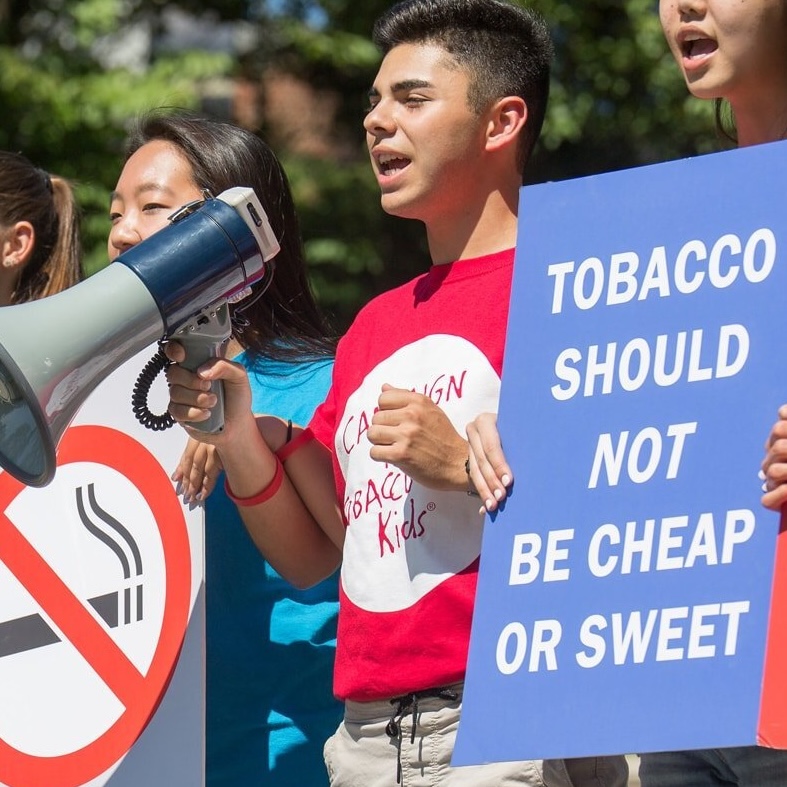
Teens are getting involved in civic action to fight Big Tobacco, which helps reduce screen time while making a real impact. From recent teen-led policy wins and youth advocacy at CADCA to ongoing legal cases questioning how social media platforms hook young users, the post highlights why this moment matters and shares national organizations where teens can get involved.
READ MORE >
This week is Red Ribbon Week, the nation’s longest-running youth drug-prevention program — and I can’t think of a more important time to talk about a new, dangerous substance spreading fast among teens called 7-OH that's derived from the kratom plant.
READ MORE >for more like this, DR. DELANEY RUSTON'S NEW BOOK, PARENTING IN THE SCREEN AGE, IS THE DEFINITIVE GUIDE FOR TODAY’S PARENTS. WITH INSIGHTS ON SCREEN TIME FROM RESEARCHERS, INPUT FROM KIDS & TEENS, THIS BOOK IS PACKED WITH SOLUTIONS FOR HOW TO START AND SUSTAIN PRODUCTIVE FAMILY TALKS ABOUT TECHNOLOGY AND IT’S IMPACT ON OUR MENTAL WELLBEING.