

Today, I offer teachings about personality disorders. As a parent, I strongly believe that talking with our teens about mental health is important, and one such area is the topic of personality disorders (PDs). Also, you might be co-parenting with a person who has some degree of a personality disorder, which can be very challenging.
This blog was born not only as a doctor who sees many patients with personality disorders but also from my own life. My mother has a severe form of personality disorder, and this has made me have to learn a lot about how to be in a relationship with her since I was little. She has Schizotypal personality disorder. Also, my father had the disease of schizophrenia.
The other day, I was talking with a dad who was telling me about his ex-wife, and he said, “I think she was a narcissist, but I don’t like to label people.”
The conversation prompted me to write on this topic. I do not know his wife, nor do I know if she has a narcissistic personality disorder. Still, his blanket statement about not wanting to label people made me think about the confusion people have with mental health diagnoses and, in this case, the area of personality disorders.
“Labels” do indeed have a negative connotation. However, understanding a person’s mental health condition is important to help decrease hardships that come with conditions. Having a label in the form of a diagnosis can be very helpful.
There are currently ten primary personality disorders in the Mental Health Central Diagnostic manual called the DSM5.
I have long been very interested in the area of personality disorders and have spent time teaching my children, once they were teens, about what this means and does not mean for a person to have a personality disorder.
I wanted my children to understand my mom’s/their grandma's many challenging traits and to help them have a better understanding of her condition and help them have healthy boundaries with her, two things I believed would help nurture caring feelings toward her.
Indeed, my two children have told me that my conversations with them have helped decrease their frustrations with her and increase their compassion. To this day they turn to me with a new struggle around having boundaries. I am always there to help, and they know my mantra: “Maintaining boundaries, with love but with consistency, is one of the hardest things we do as humans.”


Learn more about showing our movies in your school or community!
Join Screenagers filmmaker Delaney Ruston MD for our latest Podcast

Learn more about our Screen-Free Sleep campaign at the website!
Our movie made for parents and educators of younger kids
Learn more about showing our movies in your school or community!
Register your interest in bringing our new movie to your school or community
It is a central aspect of these disorders that makes it very difficult for anyone to be in a relationship with a person who has them, whether it’s narcissistic personality disorder, borderline personality disorder, schizotypal personality disorder, or others. My mom, for example, has no insight into her condition and has never wanted to try therapy or any other treatments. When I was 13, she experienced a full-blown psychosis and was hospitalized. Even now, she attributes that episode to nerves and doesn’t believe she has any relationship issues. Her inability to see things from other people’s perspectives, along with the other traits associated with her personality disorder, further complicates her relationships.
If you are in a relationship with someone who has a personality disorder, it is crucial to get strong support, whether from a counselor or a knowledgeable friend. People with personality disorders typically lack insight into their limitations and have little to no desire to change. As a result, they often have no interest in participating in couples therapy or similar interventions.
It's important to know that people with personality disorders can have many wonderful qualities. However, being in a relationship with someone who has a personality disorder can be challenging. It requires effort, especially in setting boundaries, to ensure that the difficulties associated with the disorder don’t overshadow the positives in the relationship.
For example:
Borderline Personality Disorder (BPD) is characterized by significant difficulty in maintaining healthy relationships. Individuals with BPD tend to see people in extremes, categorizing them as either all good or all bad. For example, they might idealize one doctor while intensely disliking another. They also struggle with emotional regulation, often reacting intensely to minor triggers. A small action they perceive negatively could lead to an outburst, which is why interacting with someone with BPD can sometimes feel like walking on eggshells.
While everyone faces challenges in relationships, individuals with Borderline Personality Disorder struggle significantly more. Many people with BPD find it difficult to form lasting, close friendships.
These disorders have a strong biological basis; a person is born with them. Now, this is not to say that the environment does not play a part in how traits manifest, for it does, but they do not stem from environmental occurrences like a trauma during childhood.
It is tricky to say when the signs of a personality disorder show themselves. A child growing up shows all sorts of complicated emotions and actions, and it is rare to have a child or teen diagnosed as having a personality disorder, although that can happen. Often, there is more of looking back at a childhood and seeing the signs.
Learn more about showing our movies in your school or community!
Join Screenagers filmmaker Delaney Ruston MD for our latest Podcast
Learn more about our Screen-Free Sleep campaign at the website!
Our movie made for parents and educators of younger kids
Join Screenagers filmmaker Delaney Ruston MD for our latest Podcast
Register your interest in bringing our new movie to your school or community
Be sure to subscribe to our YouTube Channel! With new ones added regularly, you'll find over 100 videos covering parenting advice, guidance, podcasts, movie clips and more. Here's our latest!
As we’re about to celebrate 10 years of Screenagers, we want to hear what’s been most helpful and what you’d like to see next.
Please click here to share your thoughts with us in our community survey. It only takes 5–10 minutes, and everyone who completes it will be entered to win one of five $50 Amazon vouchers.
Today, I offer teachings about personality disorders. As a parent, I strongly believe that talking with our teens about mental health is important, and one such area is the topic of personality disorders (PDs). Also, you might be co-parenting with a person who has some degree of a personality disorder, which can be very challenging.
This blog was born not only as a doctor who sees many patients with personality disorders but also from my own life. My mother has a severe form of personality disorder, and this has made me have to learn a lot about how to be in a relationship with her since I was little. She has Schizotypal personality disorder. Also, my father had the disease of schizophrenia.
The other day, I was talking with a dad who was telling me about his ex-wife, and he said, “I think she was a narcissist, but I don’t like to label people.”
The conversation prompted me to write on this topic. I do not know his wife, nor do I know if she has a narcissistic personality disorder. Still, his blanket statement about not wanting to label people made me think about the confusion people have with mental health diagnoses and, in this case, the area of personality disorders.
“Labels” do indeed have a negative connotation. However, understanding a person’s mental health condition is important to help decrease hardships that come with conditions. Having a label in the form of a diagnosis can be very helpful.
There are currently ten primary personality disorders in the Mental Health Central Diagnostic manual called the DSM5.
I have long been very interested in the area of personality disorders and have spent time teaching my children, once they were teens, about what this means and does not mean for a person to have a personality disorder.
I wanted my children to understand my mom’s/their grandma's many challenging traits and to help them have a better understanding of her condition and help them have healthy boundaries with her, two things I believed would help nurture caring feelings toward her.
Indeed, my two children have told me that my conversations with them have helped decrease their frustrations with her and increase their compassion. To this day they turn to me with a new struggle around having boundaries. I am always there to help, and they know my mantra: “Maintaining boundaries, with love but with consistency, is one of the hardest things we do as humans.”
It is a central aspect of these disorders that makes it very difficult for anyone to be in a relationship with a person who has them, whether it’s narcissistic personality disorder, borderline personality disorder, schizotypal personality disorder, or others. My mom, for example, has no insight into her condition and has never wanted to try therapy or any other treatments. When I was 13, she experienced a full-blown psychosis and was hospitalized. Even now, she attributes that episode to nerves and doesn’t believe she has any relationship issues. Her inability to see things from other people’s perspectives, along with the other traits associated with her personality disorder, further complicates her relationships.
If you are in a relationship with someone who has a personality disorder, it is crucial to get strong support, whether from a counselor or a knowledgeable friend. People with personality disorders typically lack insight into their limitations and have little to no desire to change. As a result, they often have no interest in participating in couples therapy or similar interventions.
It's important to know that people with personality disorders can have many wonderful qualities. However, being in a relationship with someone who has a personality disorder can be challenging. It requires effort, especially in setting boundaries, to ensure that the difficulties associated with the disorder don’t overshadow the positives in the relationship.
For example:
Borderline Personality Disorder (BPD) is characterized by significant difficulty in maintaining healthy relationships. Individuals with BPD tend to see people in extremes, categorizing them as either all good or all bad. For example, they might idealize one doctor while intensely disliking another. They also struggle with emotional regulation, often reacting intensely to minor triggers. A small action they perceive negatively could lead to an outburst, which is why interacting with someone with BPD can sometimes feel like walking on eggshells.
While everyone faces challenges in relationships, individuals with Borderline Personality Disorder struggle significantly more. Many people with BPD find it difficult to form lasting, close friendships.
These disorders have a strong biological basis; a person is born with them. Now, this is not to say that the environment does not play a part in how traits manifest, for it does, but they do not stem from environmental occurrences like a trauma during childhood.
It is tricky to say when the signs of a personality disorder show themselves. A child growing up shows all sorts of complicated emotions and actions, and it is rare to have a child or teen diagnosed as having a personality disorder, although that can happen. Often, there is more of looking back at a childhood and seeing the signs.
Be sure to subscribe to our YouTube Channel! With new ones added regularly, you'll find over 100 videos covering parenting advice, guidance, podcasts, movie clips and more. Here's our latest!
Sign up here to receive the weekly Tech Talk Tuesdays newsletter from Screenagers filmmaker Delaney Ruston MD.
We respect your privacy.
Today, I offer teachings about personality disorders. As a parent, I strongly believe that talking with our teens about mental health is important, and one such area is the topic of personality disorders (PDs). Also, you might be co-parenting with a person who has some degree of a personality disorder, which can be very challenging.
This blog was born not only as a doctor who sees many patients with personality disorders but also from my own life. My mother has a severe form of personality disorder, and this has made me have to learn a lot about how to be in a relationship with her since I was little. She has Schizotypal personality disorder. Also, my father had the disease of schizophrenia.
The other day, I was talking with a dad who was telling me about his ex-wife, and he said, “I think she was a narcissist, but I don’t like to label people.”
The conversation prompted me to write on this topic. I do not know his wife, nor do I know if she has a narcissistic personality disorder. Still, his blanket statement about not wanting to label people made me think about the confusion people have with mental health diagnoses and, in this case, the area of personality disorders.
“Labels” do indeed have a negative connotation. However, understanding a person’s mental health condition is important to help decrease hardships that come with conditions. Having a label in the form of a diagnosis can be very helpful.
There are currently ten primary personality disorders in the Mental Health Central Diagnostic manual called the DSM5.
I have long been very interested in the area of personality disorders and have spent time teaching my children, once they were teens, about what this means and does not mean for a person to have a personality disorder.
I wanted my children to understand my mom’s/their grandma's many challenging traits and to help them have a better understanding of her condition and help them have healthy boundaries with her, two things I believed would help nurture caring feelings toward her.
Indeed, my two children have told me that my conversations with them have helped decrease their frustrations with her and increase their compassion. To this day they turn to me with a new struggle around having boundaries. I am always there to help, and they know my mantra: “Maintaining boundaries, with love but with consistency, is one of the hardest things we do as humans.”
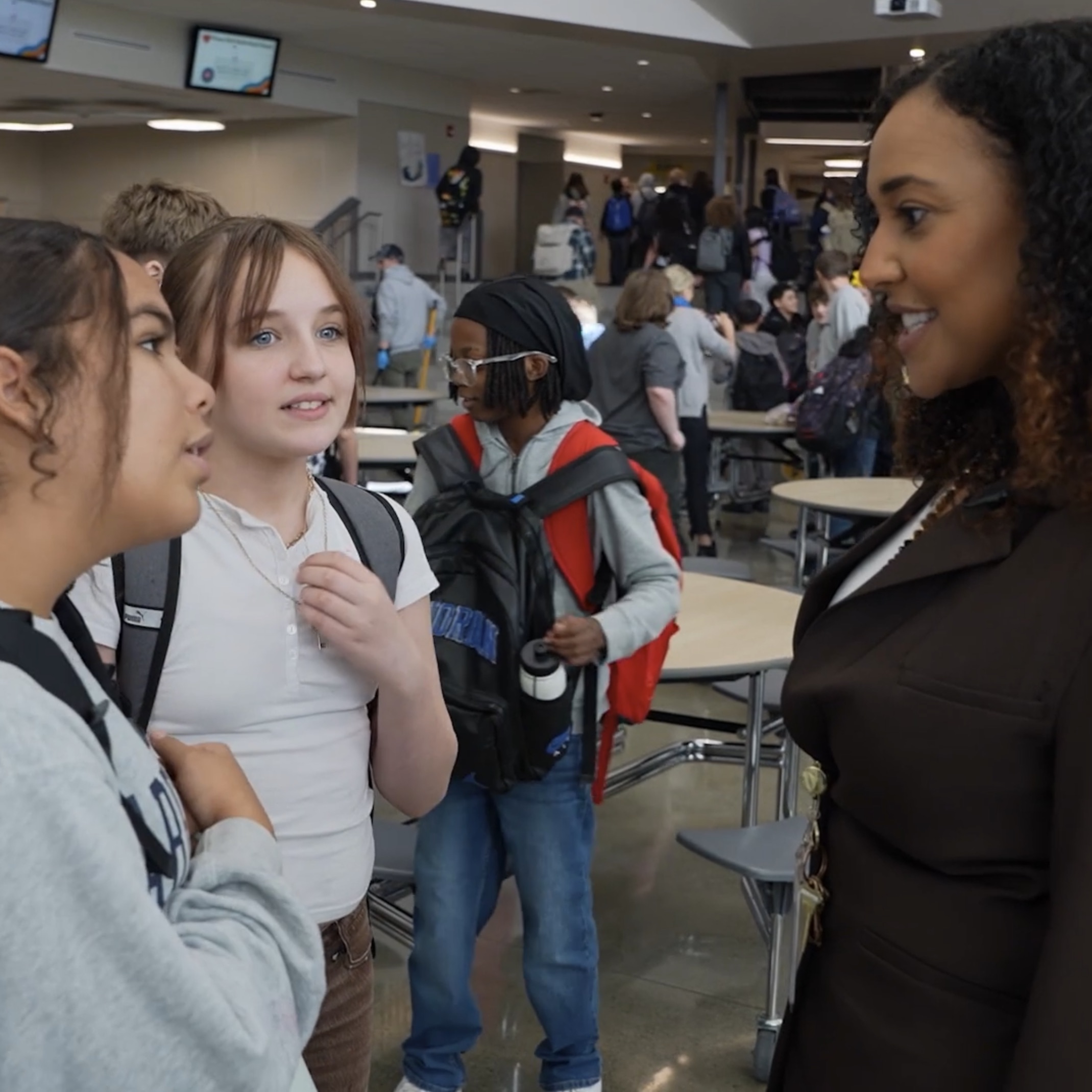
Many kids have nothing to do after school, so they go home to screens and, increasingly, AI chatbots. Spokane Public Schools tackled this by hiring "Engagement Navigators" who proactively find these students and help them get involved, a program we feature in Screenagers: Generation AI. I also share a patient's story, advice for parents whose teens refuse activities, and ways to help other kids get involved.
READ MORE >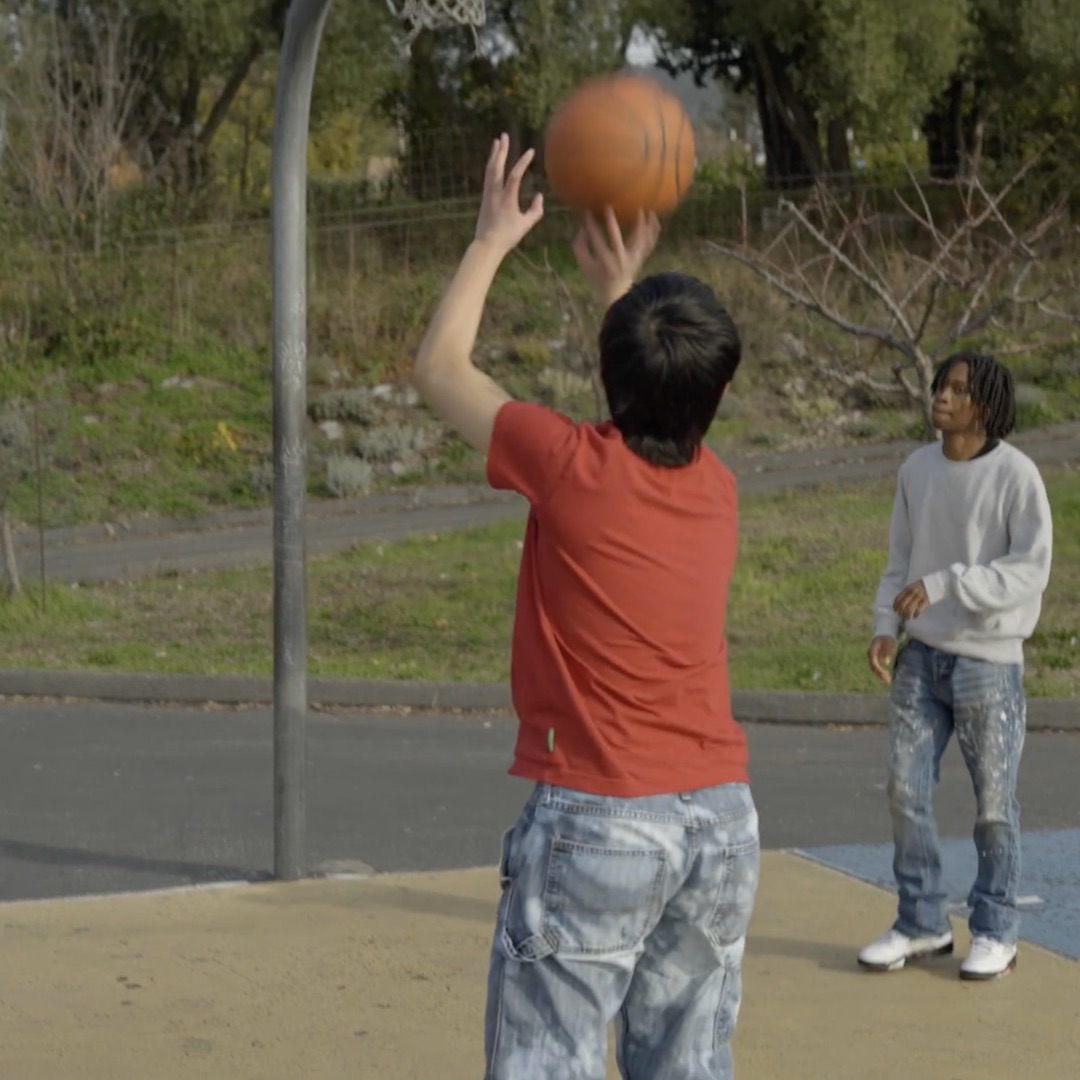
Tech journalist Manoush Zomorodi recently shared with Delaney the story behind her new book Body Electric and the citizen science experiment she ran with NPR and Dr. Keith Diaz of Columbia. The 20,000-person study found that five minutes of movement for every thirty minutes of sitting dropped fatigue by up to 28%, lowered blood glucose and blood pressure, and improved focus and mood. Plus, five practical reframes for talking to kids about movement without the eye rolls.
READ MORE >
for more like this, DR. DELANEY RUSTON'S NEW BOOK, PARENTING IN THE SCREEN AGE, IS THE DEFINITIVE GUIDE FOR TODAY’S PARENTS. WITH INSIGHTS ON SCREEN TIME FROM RESEARCHERS, INPUT FROM KIDS & TEENS, THIS BOOK IS PACKED WITH SOLUTIONS FOR HOW TO START AND SUSTAIN PRODUCTIVE FAMILY TALKS ABOUT TECHNOLOGY AND IT’S IMPACT ON OUR MENTAL WELLBEING.