

If there was ever a time to get our communities together, our parents, teachers, coaches, grandparents, and particularly our youth — to talk about ways we can help our young people with their mental health, it is now.
You may have seen this weekend’s New York Times article and video about teens and mental health, ‘It’s Life or Death’: The Mental Health Crisis Among U.S. Teens.
There is no denying the measurable fact that since 2011, the rates of mental health problems — depression, suicide, and others, along with loneliness — have been going up.
Eighteen years ago, I made my first film on mental health. And from day one, I have been committed to two things:
I truly believe that what is better than A.I., is A. Us. When we act as a vulnerable village — willing to talk about what is actually happening, our pain, and what needs to get done — we get a lot further.
Of all the films I have done related to mental health, Screenagers Next Chapter is the right tool right now to help our youth with their mental health. Schools everywhere talk with me about how the pandemic has set students back emotionally and socially. Just this month, I saw two middle schoolers in my clinic who have been home for months due to the anxiety they feel at school. Screenagers Next Chapter explores anxiety and solutions to it, along with many other topics.
Mental health issues affect all of our teens. Even those who may be doing well know people who are not doing well. For the past ten years, every teen I’ve met knows someone in their circle (home, friends, etc.) who is dealing with some emotional pain and experiencing some anxiety or depression. So often, our kids feel incredible stress not knowing what to do or say to help friends who are going through something like this. Again, Screenagers Next Chapter provides strategies for this exact situation.
The other thing the film does is give our teens hope.
While we must talk about the rise in mental health problems, teens tell me how hearing more and more bad news makes them feel distressed. They are overwhelmed by the media saturation of harsh realities like the pandemic, climate change, cruelty, war, racism, and yes, the rise of mental health problems.


Learn more about showing our movies in your school or community!
Join Screenagers filmmaker Delaney Ruston MD for our latest Podcast

Learn more about our Screen-Free Sleep campaign at the website!
Our movie made for parents and educators of younger kids
Learn more about showing our movies in your school or community!
Register your interest in bringing our new movie to your school or community
This past week, I spoke with a young man in college who needed to call 911 because his friend was actively suicidal. In addition, that same week, a 12th grader died during school hours at the high school I went to growing up. The kids witnessed it, and the community is devastated.
In the face of all this, giving our teens hope and steps for action is key. When teens watch Screenagers Next Chapter, many tell me how the film does that. Recently, one teen told me “so many other shows that deal with mental health topics are so triggering, but yours is not at all. It is really relatable and helpful.”
Not only do I hear from teens about how much they like seeing the stories and science in the film, but they say they appreciate how we address screen time issues.
When we surveyed teens, over 90% said they felt more inclined to ask for help after seeing the movie if they were facing a mental health challenge. This fills my heart.
In addition, a similar percentage of teens report that they learned new skills for handling stress, anxious and sad feelings.
The intense truth is now, in our tech revolution, teens can and do see so much online — unhealthy coping skills, triggering shows, negative influencers, and the list goes on. We have to share healthy strategies with our teens, and we must create settings to discuss these things.
Learn more about showing our movies in your school or community!
Join Screenagers filmmaker Delaney Ruston MD for our latest Podcast
Learn more about our Screen-Free Sleep campaign at the website!
Our movie made for parents and educators of younger kids
Join Screenagers filmmaker Delaney Ruston MD for our latest Podcast
Register your interest in bringing our new movie to your school or community
May is mental health awareness month, and it is the perfect time for communities to use Screenagers Next Chapter to reach kids with hope and solutions. Screenings happen in classes at school, at night in the gym for parents and youth, in community centers, at places of worship, during lunchtime at companies, and more.
We have created a very detailed moderator’s guide so that anyone can help moderate a discussion after the movie. And the resources on our website, like the 300 plus Tech Talk Tuesday blog posts I’ve written, the 17 Screenagers Podcasts episodes, the resource pages, and more, help communities continue the conversation far after the film screening.
As we’re about to celebrate 10 years of Screenagers, we want to hear what’s been most helpful and what you’d like to see next.
Please click here to share your thoughts with us in our community survey. It only takes 5–10 minutes, and everyone who completes it will be entered to win one of five $50 Amazon vouchers.
If there was ever a time to get our communities together, our parents, teachers, coaches, grandparents, and particularly our youth — to talk about ways we can help our young people with their mental health, it is now.
You may have seen this weekend’s New York Times article and video about teens and mental health, ‘It’s Life or Death’: The Mental Health Crisis Among U.S. Teens.
There is no denying the measurable fact that since 2011, the rates of mental health problems — depression, suicide, and others, along with loneliness — have been going up.
Eighteen years ago, I made my first film on mental health. And from day one, I have been committed to two things:
I truly believe that what is better than A.I., is A. Us. When we act as a vulnerable village — willing to talk about what is actually happening, our pain, and what needs to get done — we get a lot further.
Of all the films I have done related to mental health, Screenagers Next Chapter is the right tool right now to help our youth with their mental health. Schools everywhere talk with me about how the pandemic has set students back emotionally and socially. Just this month, I saw two middle schoolers in my clinic who have been home for months due to the anxiety they feel at school. Screenagers Next Chapter explores anxiety and solutions to it, along with many other topics.
Mental health issues affect all of our teens. Even those who may be doing well know people who are not doing well. For the past ten years, every teen I’ve met knows someone in their circle (home, friends, etc.) who is dealing with some emotional pain and experiencing some anxiety or depression. So often, our kids feel incredible stress not knowing what to do or say to help friends who are going through something like this. Again, Screenagers Next Chapter provides strategies for this exact situation.
The other thing the film does is give our teens hope.
While we must talk about the rise in mental health problems, teens tell me how hearing more and more bad news makes them feel distressed. They are overwhelmed by the media saturation of harsh realities like the pandemic, climate change, cruelty, war, racism, and yes, the rise of mental health problems.
This past week, I spoke with a young man in college who needed to call 911 because his friend was actively suicidal. In addition, that same week, a 12th grader died during school hours at the high school I went to growing up. The kids witnessed it, and the community is devastated.
In the face of all this, giving our teens hope and steps for action is key. When teens watch Screenagers Next Chapter, many tell me how the film does that. Recently, one teen told me “so many other shows that deal with mental health topics are so triggering, but yours is not at all. It is really relatable and helpful.”
Not only do I hear from teens about how much they like seeing the stories and science in the film, but they say they appreciate how we address screen time issues.
When we surveyed teens, over 90% said they felt more inclined to ask for help after seeing the movie if they were facing a mental health challenge. This fills my heart.
In addition, a similar percentage of teens report that they learned new skills for handling stress, anxious and sad feelings.
The intense truth is now, in our tech revolution, teens can and do see so much online — unhealthy coping skills, triggering shows, negative influencers, and the list goes on. We have to share healthy strategies with our teens, and we must create settings to discuss these things.
May is mental health awareness month, and it is the perfect time for communities to use Screenagers Next Chapter to reach kids with hope and solutions. Screenings happen in classes at school, at night in the gym for parents and youth, in community centers, at places of worship, during lunchtime at companies, and more.
We have created a very detailed moderator’s guide so that anyone can help moderate a discussion after the movie. And the resources on our website, like the 300 plus Tech Talk Tuesday blog posts I’ve written, the 17 Screenagers Podcasts episodes, the resource pages, and more, help communities continue the conversation far after the film screening.
Sign up here to receive the weekly Tech Talk Tuesdays newsletter from Screenagers filmmaker Delaney Ruston MD.
We respect your privacy.
If there was ever a time to get our communities together, our parents, teachers, coaches, grandparents, and particularly our youth — to talk about ways we can help our young people with their mental health, it is now.
You may have seen this weekend’s New York Times article and video about teens and mental health, ‘It’s Life or Death’: The Mental Health Crisis Among U.S. Teens.
There is no denying the measurable fact that since 2011, the rates of mental health problems — depression, suicide, and others, along with loneliness — have been going up.
Eighteen years ago, I made my first film on mental health. And from day one, I have been committed to two things:
I truly believe that what is better than A.I., is A. Us. When we act as a vulnerable village — willing to talk about what is actually happening, our pain, and what needs to get done — we get a lot further.
Of all the films I have done related to mental health, Screenagers Next Chapter is the right tool right now to help our youth with their mental health. Schools everywhere talk with me about how the pandemic has set students back emotionally and socially. Just this month, I saw two middle schoolers in my clinic who have been home for months due to the anxiety they feel at school. Screenagers Next Chapter explores anxiety and solutions to it, along with many other topics.
Mental health issues affect all of our teens. Even those who may be doing well know people who are not doing well. For the past ten years, every teen I’ve met knows someone in their circle (home, friends, etc.) who is dealing with some emotional pain and experiencing some anxiety or depression. So often, our kids feel incredible stress not knowing what to do or say to help friends who are going through something like this. Again, Screenagers Next Chapter provides strategies for this exact situation.
The other thing the film does is give our teens hope.
While we must talk about the rise in mental health problems, teens tell me how hearing more and more bad news makes them feel distressed. They are overwhelmed by the media saturation of harsh realities like the pandemic, climate change, cruelty, war, racism, and yes, the rise of mental health problems.
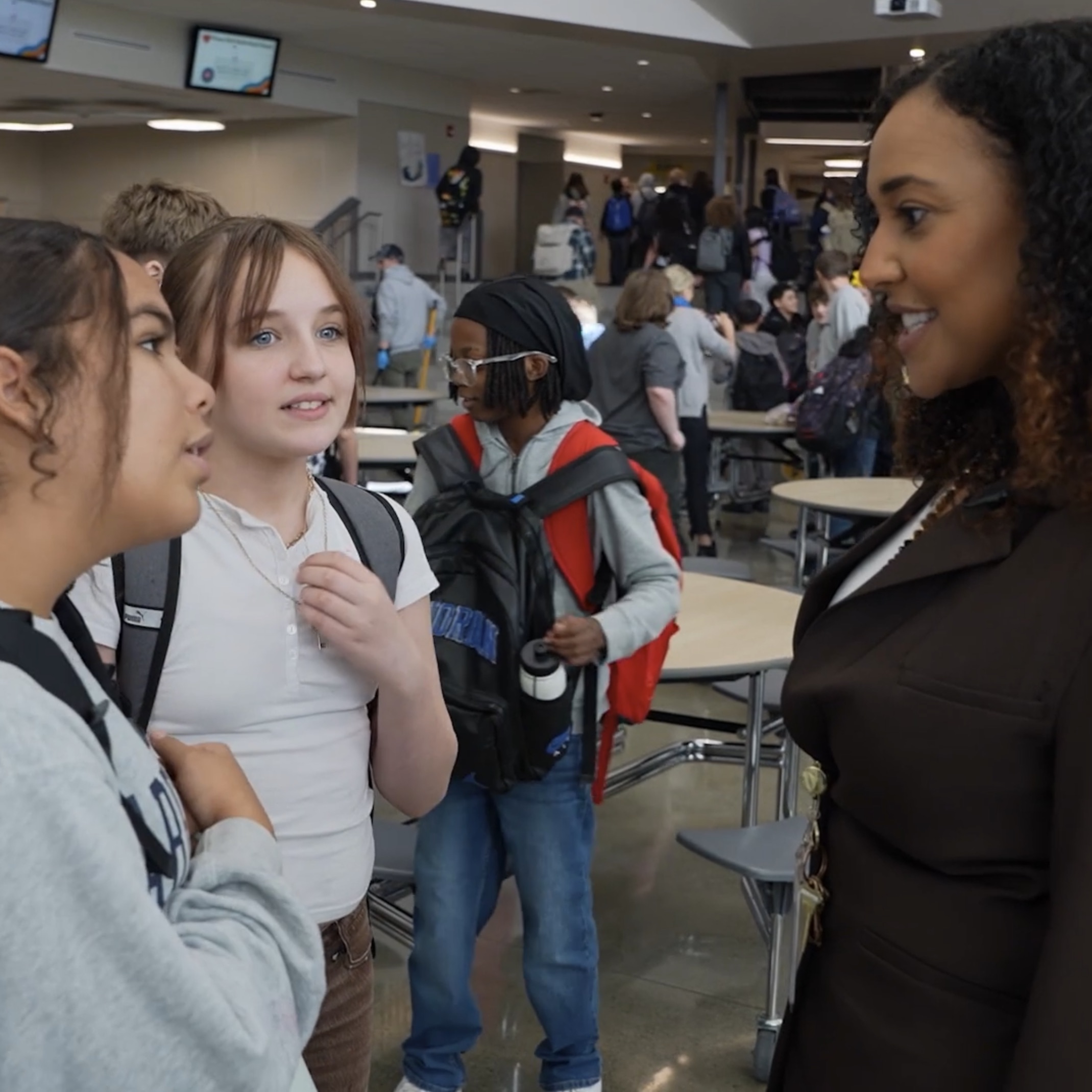
Many kids have nothing to do after school, so they go home to screens and, increasingly, AI chatbots. Spokane Public Schools tackled this by hiring "Engagement Navigators" who proactively find these students and help them get involved, a program we feature in Screenagers: Generation AI. I also share a patient's story, advice for parents whose teens refuse activities, and ways to help other kids get involved.
READ MORE >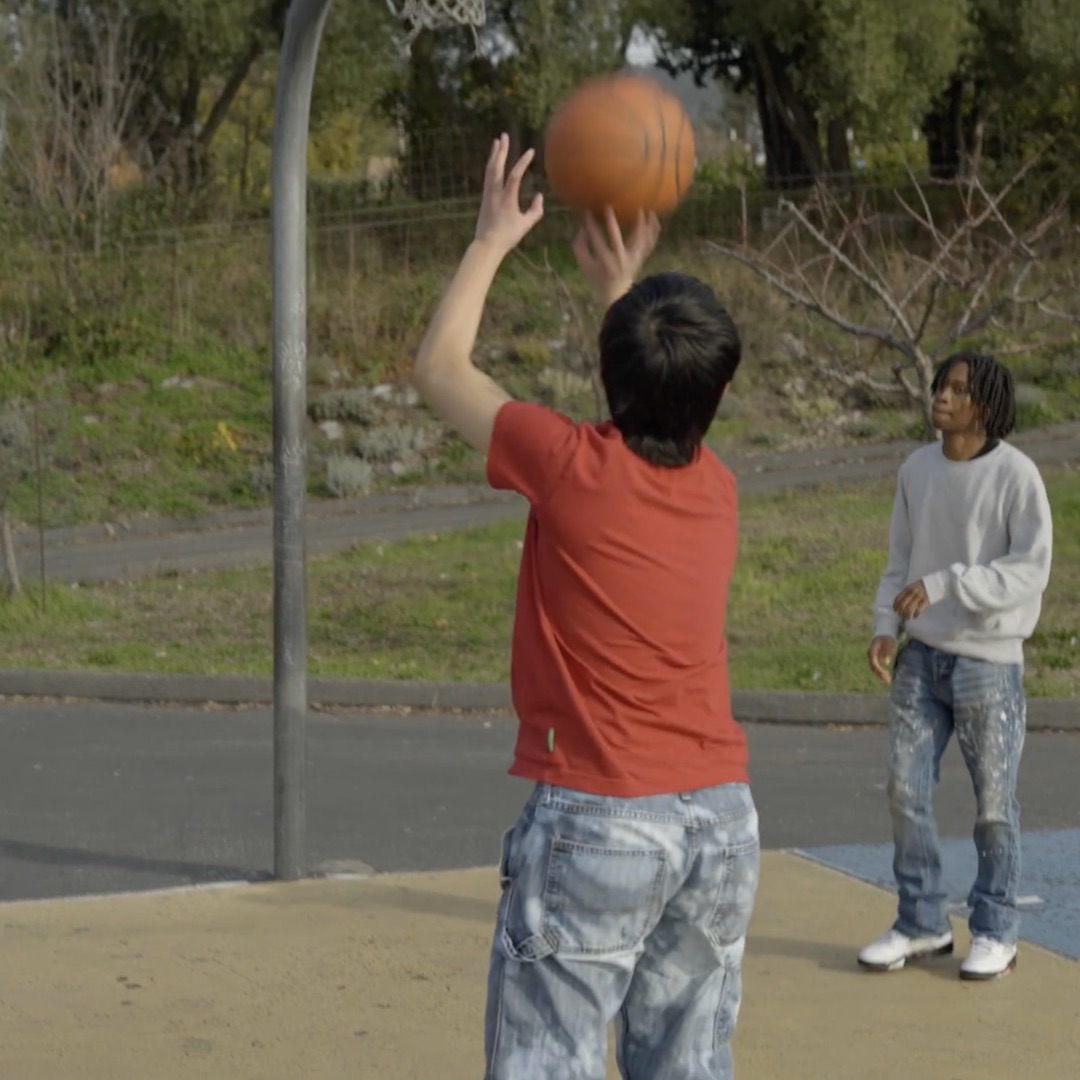
Tech journalist Manoush Zomorodi recently shared with Delaney the story behind her new book Body Electric and the citizen science experiment she ran with NPR and Dr. Keith Diaz of Columbia. The 20,000-person study found that five minutes of movement for every thirty minutes of sitting dropped fatigue by up to 28%, lowered blood glucose and blood pressure, and improved focus and mood. Plus, five practical reframes for talking to kids about movement without the eye rolls.
READ MORE >
for more like this, DR. DELANEY RUSTON'S NEW BOOK, PARENTING IN THE SCREEN AGE, IS THE DEFINITIVE GUIDE FOR TODAY’S PARENTS. WITH INSIGHTS ON SCREEN TIME FROM RESEARCHERS, INPUT FROM KIDS & TEENS, THIS BOOK IS PACKED WITH SOLUTIONS FOR HOW TO START AND SUSTAIN PRODUCTIVE FAMILY TALKS ABOUT TECHNOLOGY AND IT’S IMPACT ON OUR MENTAL WELLBEING.