



You may have caught The New York Times (NYT) article this past week about the first-ever recommendation from the U.S. Preventive Services Task Force that all kids aged eight and older get screened for anxiety.
I am a big proponent of screening and, along with it, scaling up access to supports and interventions for youth who need help and their families.
All kids and teens experience anxiety at times. It is our bodies’ reaction to fear and stress — it is a part of being human.
And then there is anxiety that has gone astray — clinical anxiety. This is anxiety that does not fit the facts and causes ongoing suffering in a person’s life.
This kind of anxiety is often missed or ignored in youth who are extremely preoccupied with their academic performance — an obsession with getting straight As and the like.
In fact, when the NYT shared signs that experts say to worry about if seen in kids, the only one they mentioned about school was “failing grades.” There was nothing about overzealous worry about school performance.
So often, we talk about “pushy parents” — those putting too much pressure on their kids to straight As, take all AP classes, etc. The fact is there is an incredibly high percentage of kids who are primarily putting this pressure on themselves.
Now, that said, there are external forces at play, such as if their parents are highly “successful” by society’s standards. Sometimes those kids see that and feel they need to match it (consciously or unconsciously). In addition, society greatly rewards kids for getting high marks.
This intense focus on wanting things to be perfect, on wanting nothing less than an A — the belief that anything less than an A is a failure, is harder to fit into a nice neat category than other anxiety forms. Often it is labeled as a generalized anxiety disorder but it can fit more into an obsessive-compulsive realm as well as other things.
Psychologist and author Laura Kastner, and I were talking about this topic and she said this about it,
“Perfectionism is the key problem and dysfunction. There are obsessive thoughts about not wanting to do less than perfect and then the compulsive acts to prevent that from happening. There are aspects of generalized anxiety disorder which is all about the plague of “what ifs” where one worries all the time about everything.”


Learn more about showing our movies in your school or community!
Join Screenagers filmmaker Delaney Ruston MD for our latest Podcast

Learn more about our Screen-Free Sleep campaign at the website!
Our movie made for parents and educators of younger kids
Learn more about showing our movies in your school or community!
Register your interest in bringing our new movie to your school or community
Ultimately there can be many elements at play but the core element is anxiety.”
It is easy to interpret a focus on good grades as adaptive and a good thing. Being conscientious is indeed a trait we hope for in our kids. Knowing when it is actually something that should be attended to can sometimes be tricky.
Another issue is that it can be hard for a person to see their ways of thinking as problematic. It is such a part of their being that it can be difficult to get some perspective, even to contemplate that it might be a problem. Young people have a developmental disadvantage that makes this perspective-taking even harder.
There are, of course, other reasons, and when talking with your kids about this topic, this will be important to explore together.
Help youth see stories of teens talking about this situation and what helped them.
Hearing from other teens’ stories is a proven way to help young people gain insight into their own situations.
I love that students who see Screenagers Next Chapter get to hear a teen girl, Eunsoon, share how her brain would obsess with fears of failing a quiz. Her thoughts would spiral into the catastrophic thinking that she would fail high school if she didn’t do well on the quiz.
Then viewers learn that Eunsoo realizes this was a mental health challenge and that eventually, she started getting help from the school counselor. She shares how she was self-conscious about going to get help and would try not to let anyone see her entering the counselor’s office.
Learn more about showing our movies in your school or community!
Join Screenagers filmmaker Delaney Ruston MD for our latest Podcast
Learn more about our Screen-Free Sleep campaign at the website!
Our movie made for parents and educators of younger kids
Join Screenagers filmmaker Delaney Ruston MD for our latest Podcast
Register your interest in bringing our new movie to your school or community
Exposure therapy is the most frequently employed clinical treatment for anxiety. It is about reteaching the brain. So, for example, the brain thinks that grades are a do-or-die situation, and the person compulsively worries about a quiz and studies and studies for it — intense fear of failing smothers any enjoyment around learning.
Daniel Pine, the head of The National Institute in Screenagers Next Chapter, talked to me about how clinicians like himself work with kids to purposely not get an A. They will help them manage the thoughts that arise from doing “less than perfect.” This is one way to help decrease anxiety around school performance.
In this week’s Atlantic article on mental health problems and youth, the writer mentions Yale University’s work in helping parents provide exposure to their kids, which can be extremely emotionally challenging for parents. It is called the SPACE, or Supportive Parenting for Anxious Childhood Emotions:
“Put simply, SPACE forces parents to be less accommodating. If the girl is afraid of dogs, encourage her to play with young puppies. If the boy hates vegetables, caramelize the hell out of some broccoli. This sort of advice is infinitely easier to type than to put into practice. But folding a bit of exposure therapy into modern parenting and childhood might help teenagers grapple with a complex and stressful world.”
I know this is a messy and emotional topic — school performance anxiety. And, when we, parents, worry, what do we do? This is hard stuff, and if you are worried this may be an issue in your home but not sure, outside help can be key.

As we’re about to celebrate 10 years of Screenagers, we want to hear what’s been most helpful and what you’d like to see next.
Please click here to share your thoughts with us in our community survey. It only takes 5–10 minutes, and everyone who completes it will be entered to win one of five $50 Amazon vouchers.
You may have caught The New York Times (NYT) article this past week about the first-ever recommendation from the U.S. Preventive Services Task Force that all kids aged eight and older get screened for anxiety.
I am a big proponent of screening and, along with it, scaling up access to supports and interventions for youth who need help and their families.
All kids and teens experience anxiety at times. It is our bodies’ reaction to fear and stress — it is a part of being human.
And then there is anxiety that has gone astray — clinical anxiety. This is anxiety that does not fit the facts and causes ongoing suffering in a person’s life.
This kind of anxiety is often missed or ignored in youth who are extremely preoccupied with their academic performance — an obsession with getting straight As and the like.
In fact, when the NYT shared signs that experts say to worry about if seen in kids, the only one they mentioned about school was “failing grades.” There was nothing about overzealous worry about school performance.
So often, we talk about “pushy parents” — those putting too much pressure on their kids to straight As, take all AP classes, etc. The fact is there is an incredibly high percentage of kids who are primarily putting this pressure on themselves.
Now, that said, there are external forces at play, such as if their parents are highly “successful” by society’s standards. Sometimes those kids see that and feel they need to match it (consciously or unconsciously). In addition, society greatly rewards kids for getting high marks.
This intense focus on wanting things to be perfect, on wanting nothing less than an A — the belief that anything less than an A is a failure, is harder to fit into a nice neat category than other anxiety forms. Often it is labeled as a generalized anxiety disorder but it can fit more into an obsessive-compulsive realm as well as other things.
Psychologist and author Laura Kastner, and I were talking about this topic and she said this about it,
“Perfectionism is the key problem and dysfunction. There are obsessive thoughts about not wanting to do less than perfect and then the compulsive acts to prevent that from happening. There are aspects of generalized anxiety disorder which is all about the plague of “what ifs” where one worries all the time about everything.”
Ultimately there can be many elements at play but the core element is anxiety.”
It is easy to interpret a focus on good grades as adaptive and a good thing. Being conscientious is indeed a trait we hope for in our kids. Knowing when it is actually something that should be attended to can sometimes be tricky.
Another issue is that it can be hard for a person to see their ways of thinking as problematic. It is such a part of their being that it can be difficult to get some perspective, even to contemplate that it might be a problem. Young people have a developmental disadvantage that makes this perspective-taking even harder.
There are, of course, other reasons, and when talking with your kids about this topic, this will be important to explore together.
Help youth see stories of teens talking about this situation and what helped them.
Hearing from other teens’ stories is a proven way to help young people gain insight into their own situations.
I love that students who see Screenagers Next Chapter get to hear a teen girl, Eunsoon, share how her brain would obsess with fears of failing a quiz. Her thoughts would spiral into the catastrophic thinking that she would fail high school if she didn’t do well on the quiz.
Then viewers learn that Eunsoo realizes this was a mental health challenge and that eventually, she started getting help from the school counselor. She shares how she was self-conscious about going to get help and would try not to let anyone see her entering the counselor’s office.
Exposure therapy is the most frequently employed clinical treatment for anxiety. It is about reteaching the brain. So, for example, the brain thinks that grades are a do-or-die situation, and the person compulsively worries about a quiz and studies and studies for it — intense fear of failing smothers any enjoyment around learning.
Daniel Pine, the head of The National Institute in Screenagers Next Chapter, talked to me about how clinicians like himself work with kids to purposely not get an A. They will help them manage the thoughts that arise from doing “less than perfect.” This is one way to help decrease anxiety around school performance.
In this week’s Atlantic article on mental health problems and youth, the writer mentions Yale University’s work in helping parents provide exposure to their kids, which can be extremely emotionally challenging for parents. It is called the SPACE, or Supportive Parenting for Anxious Childhood Emotions:
“Put simply, SPACE forces parents to be less accommodating. If the girl is afraid of dogs, encourage her to play with young puppies. If the boy hates vegetables, caramelize the hell out of some broccoli. This sort of advice is infinitely easier to type than to put into practice. But folding a bit of exposure therapy into modern parenting and childhood might help teenagers grapple with a complex and stressful world.”
I know this is a messy and emotional topic — school performance anxiety. And, when we, parents, worry, what do we do? This is hard stuff, and if you are worried this may be an issue in your home but not sure, outside help can be key.
Sign up here to receive the weekly Tech Talk Tuesdays newsletter from Screenagers filmmaker Delaney Ruston MD.
We respect your privacy.
You may have caught The New York Times (NYT) article this past week about the first-ever recommendation from the U.S. Preventive Services Task Force that all kids aged eight and older get screened for anxiety.
I am a big proponent of screening and, along with it, scaling up access to supports and interventions for youth who need help and their families.
All kids and teens experience anxiety at times. It is our bodies’ reaction to fear and stress — it is a part of being human.
And then there is anxiety that has gone astray — clinical anxiety. This is anxiety that does not fit the facts and causes ongoing suffering in a person’s life.
This kind of anxiety is often missed or ignored in youth who are extremely preoccupied with their academic performance — an obsession with getting straight As and the like.
In fact, when the NYT shared signs that experts say to worry about if seen in kids, the only one they mentioned about school was “failing grades.” There was nothing about overzealous worry about school performance.
So often, we talk about “pushy parents” — those putting too much pressure on their kids to straight As, take all AP classes, etc. The fact is there is an incredibly high percentage of kids who are primarily putting this pressure on themselves.
Now, that said, there are external forces at play, such as if their parents are highly “successful” by society’s standards. Sometimes those kids see that and feel they need to match it (consciously or unconsciously). In addition, society greatly rewards kids for getting high marks.
This intense focus on wanting things to be perfect, on wanting nothing less than an A — the belief that anything less than an A is a failure, is harder to fit into a nice neat category than other anxiety forms. Often it is labeled as a generalized anxiety disorder but it can fit more into an obsessive-compulsive realm as well as other things.
Psychologist and author Laura Kastner, and I were talking about this topic and she said this about it,
“Perfectionism is the key problem and dysfunction. There are obsessive thoughts about not wanting to do less than perfect and then the compulsive acts to prevent that from happening. There are aspects of generalized anxiety disorder which is all about the plague of “what ifs” where one worries all the time about everything.”
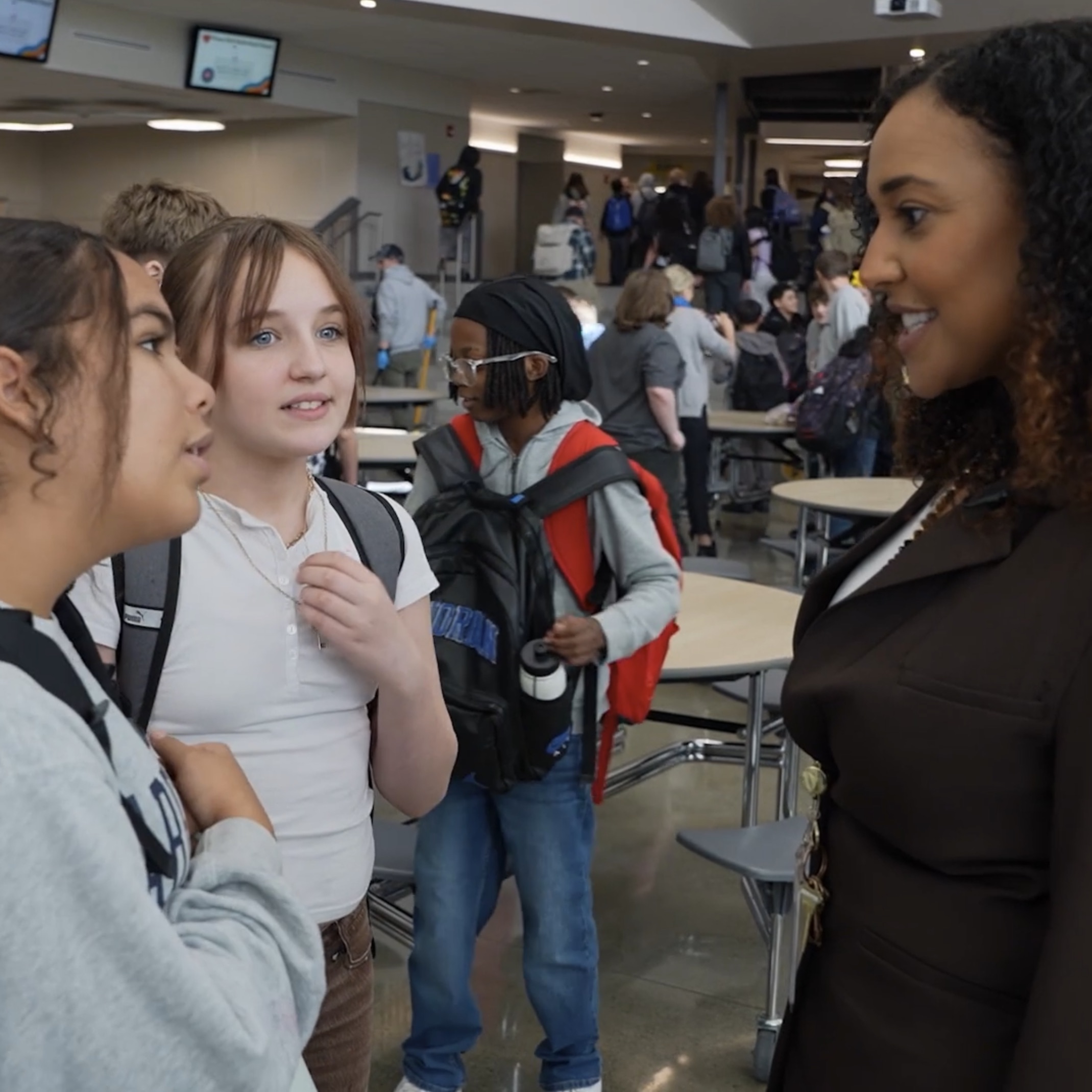
Many kids have nothing to do after school, so they go home to screens and, increasingly, AI chatbots. Spokane Public Schools tackled this by hiring "Engagement Navigators" who proactively find these students and help them get involved, a program we feature in Screenagers: Generation AI. I also share a patient's story, advice for parents whose teens refuse activities, and ways to help other kids get involved.
READ MORE >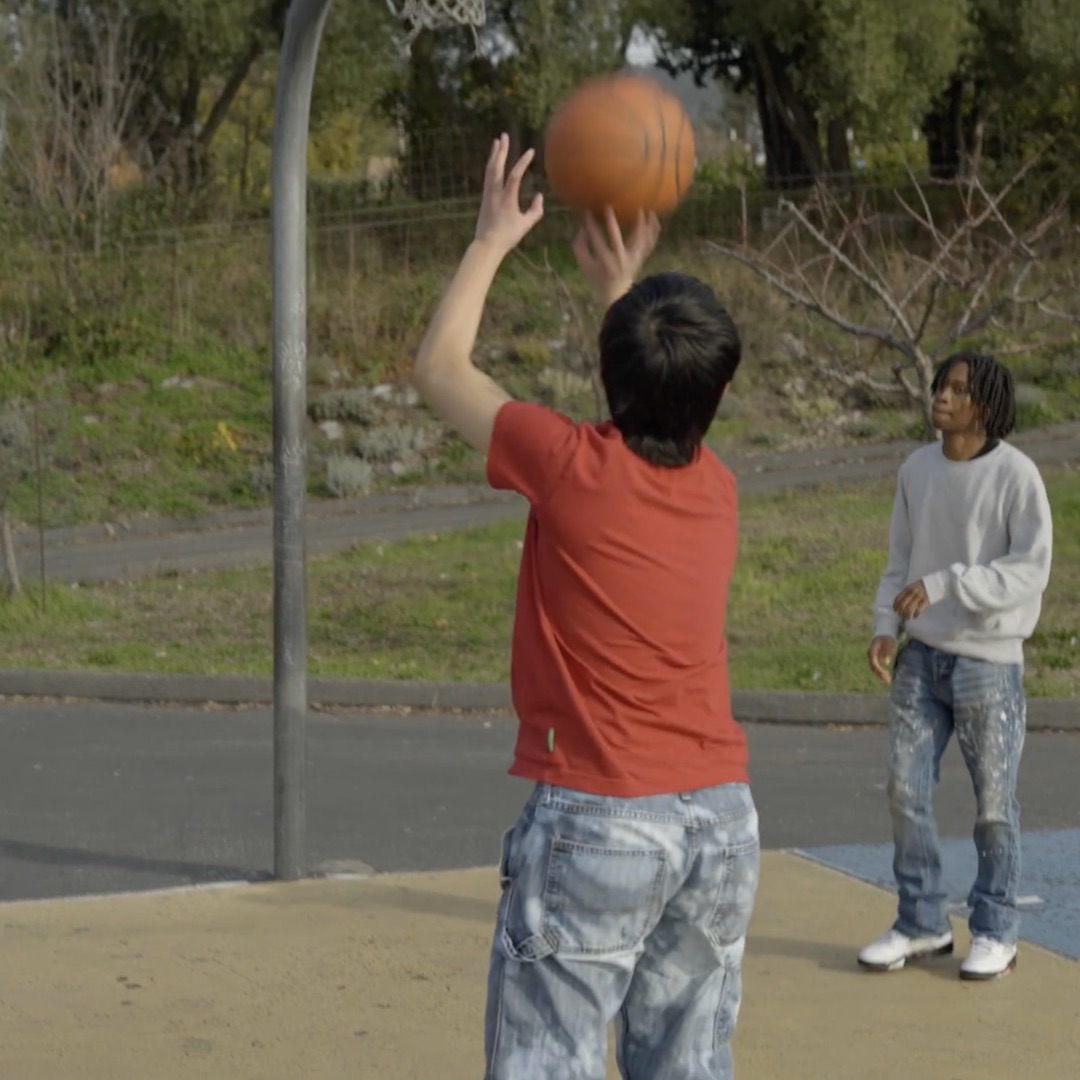
Tech journalist Manoush Zomorodi recently shared with Delaney the story behind her new book Body Electric and the citizen science experiment she ran with NPR and Dr. Keith Diaz of Columbia. The 20,000-person study found that five minutes of movement for every thirty minutes of sitting dropped fatigue by up to 28%, lowered blood glucose and blood pressure, and improved focus and mood. Plus, five practical reframes for talking to kids about movement without the eye rolls.
READ MORE >
for more like this, DR. DELANEY RUSTON'S NEW BOOK, PARENTING IN THE SCREEN AGE, IS THE DEFINITIVE GUIDE FOR TODAY’S PARENTS. WITH INSIGHTS ON SCREEN TIME FROM RESEARCHERS, INPUT FROM KIDS & TEENS, THIS BOOK IS PACKED WITH SOLUTIONS FOR HOW TO START AND SUSTAIN PRODUCTIVE FAMILY TALKS ABOUT TECHNOLOGY AND IT’S IMPACT ON OUR MENTAL WELLBEING.