


Teens are turning to AI chatbots late at night to vent and ask for advice, and it’s costing them sleep when they’re at their most vulnerable. A 2026 study found that up to 22% of teens used AI apps between 10 p.m. and 4 a.m. The fix is screen-free sleep: keep devices out of bedrooms, offer alternatives like a basic alarm clock, and team up with other parents.
For today's title, I debated using the word "aliens" in place of "chatbots." I mean, these conversational chatbots freaking feel like aliens!
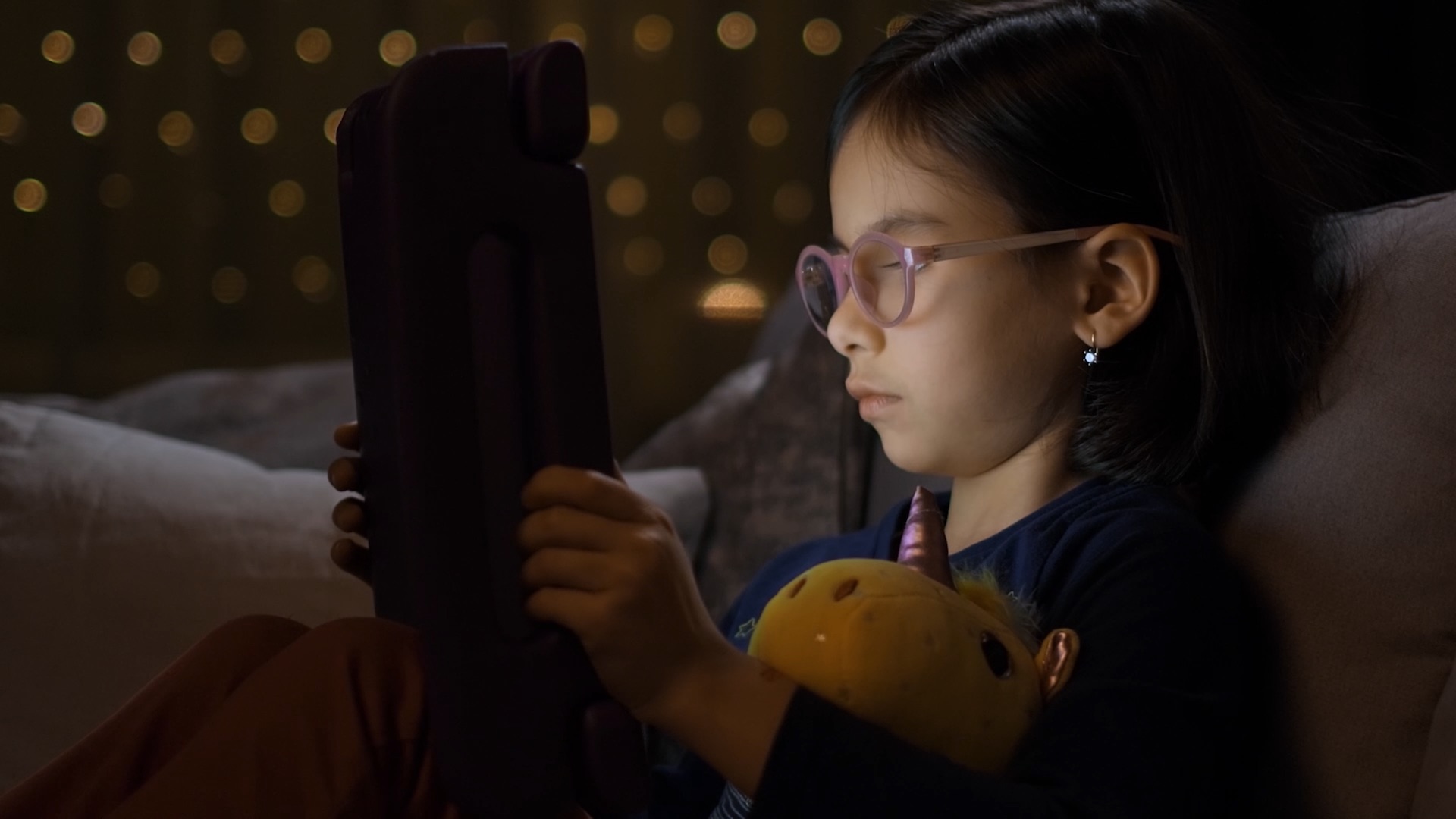
Today, I'm writing about the extremely worrisome fact that young people are turning to chatbots in the middle of the night to have conversations. My teen patients in the clinic attest to this.
Why? A common reason they tell me is that they go to "them" for relief from worries on their minds.
In our latest film, Screenagers: Generation AI, one teen boy says:
"At like 2:00 in the morning. I'm like, go to ChatGPT because I know no matter what, it will sit there and just let me vent."
And right after, adolescent psychiatrist Dr. René Stokes says:
"A lot of times, kids are rerunning the events of the day and asking the chatbot for advice."
Then psychologist Lisa Damour adds:
"When you have a chatbot who wants to keep you there as long as possible, that young person's not sleeping."
In addition, kids are naturally curious (which is wonderful!), and their desire to get answers to their questions, combined with the ease of turning to AI chatbots at any hour, can tempt them to sacrifice sleep.
I wonder how many young people were up late last week, turning to chatbots to make sense of the unsettling news about airline systems grinding to a halt and Microsoft going down.
Many of the risks I've written about apply day and night, such as becoming dependent on advice from bots and no longer trusting yourself, losing opportunities for human closeness, and receiving unsafe, sometimes even lethal, advice. And much more.
There is also the added issue that teens can be more emotionally vulnerable and prone to poor decisions when tired. This makes nighttime a particularly precarious time to be talking to robots.
And then, of course, critically, it is robbing young people of sleep.
Insufficient sleep is strongly associated with worse mental health, more difficulties in relationships, and problems with learning and attention.
We all know our cranky child or teen when they're tired. Think about how that plays out in complicated relationships with peers, teachers, teammates, and others. Learning in school takes a major beating, and I could go on and on.
And look, our society has created a sleep loss epidemic for kids and teens. According to the 2024 National Survey of Children's Health, roughly 1 in 3 U.S. children ages 6–17 (34.7%) did not get the recommended amount of sleep on most weeknights.
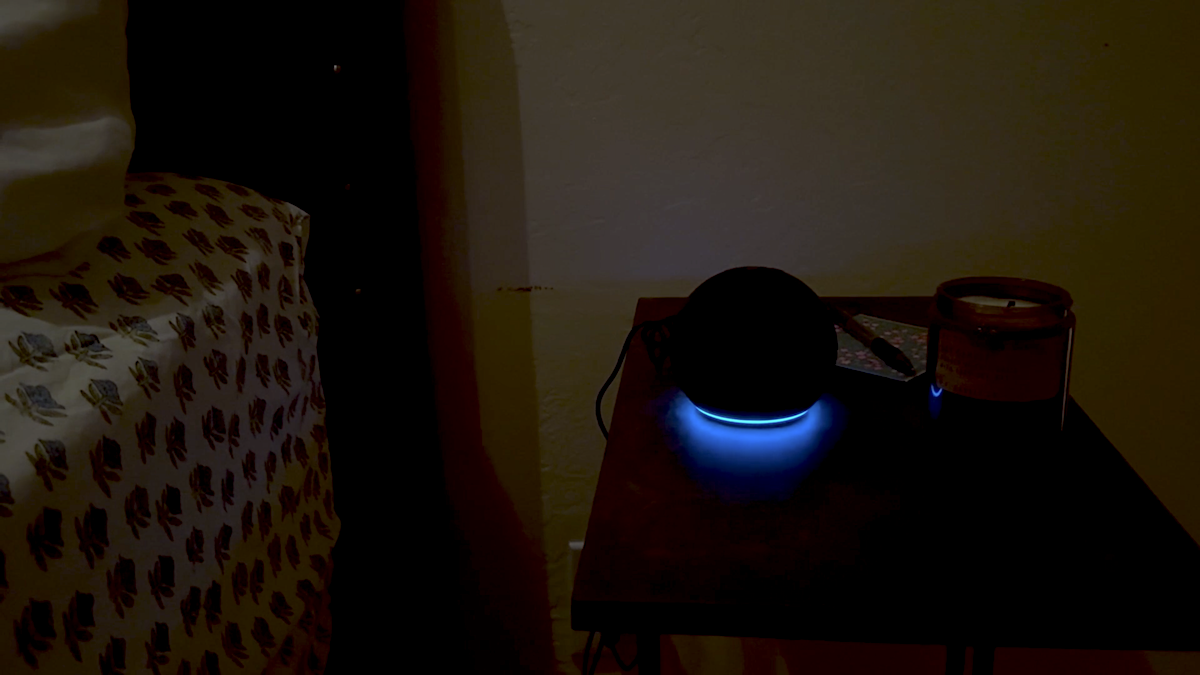
We know it's happening, but how often? Research shows that well over half of teens keep phones in their bedrooms overnight. And phones aren't the only devices that can offer conversational AI. Tablets, smart speakers like Alexa, and some toys now do so.
But how many young people are interacting with AI chatbots at night, how often, and what are they discussing? We have little data.
A 2026 study published in JAMA Network Open found that 16% of 13- and 14-year-olds and 22% of 15- to 17-year-olds accessed generative AI apps at least once between 10 p.m. and 4 a.m. during a seven-month study period.


Learn more about showing our movies in your school or community!
Join Screenagers filmmaker Delaney Ruston MD for our latest Podcast

Learn more about our Screen-Free Sleep campaign at the website!
Our movie made for parents and educators of younger kids
Learn more about showing our movies in your school or community!
Register your interest in bringing our new movie to your school or community
There are important limitations:
The study also didn't capture browser-based AI use or voice conversations, and it couldn't tell us what teens were discussing.
This is where tech companies could help. They have access to far more information about nighttime AI interactions but aren't generally required to share it publicly. Revealing these patterns may also conflict with their financial incentives to keep users engaged.
I've written extensively about this, and last summer we launched our campaign, Screen-Free Sleep, to help parents to learn the knowledge and tools to make their kids' sleep distraction-free by keeping devices out of bedrooms overnight.
We did this because keeping devices out of kids' bedrooms is often an ongoing challenge, and parents need help.
So let me offer some recommendations.
Before I start, it goes without saying that a basic alarm clock is the answer to the common pushback: "I need my phone as my alarm clock."
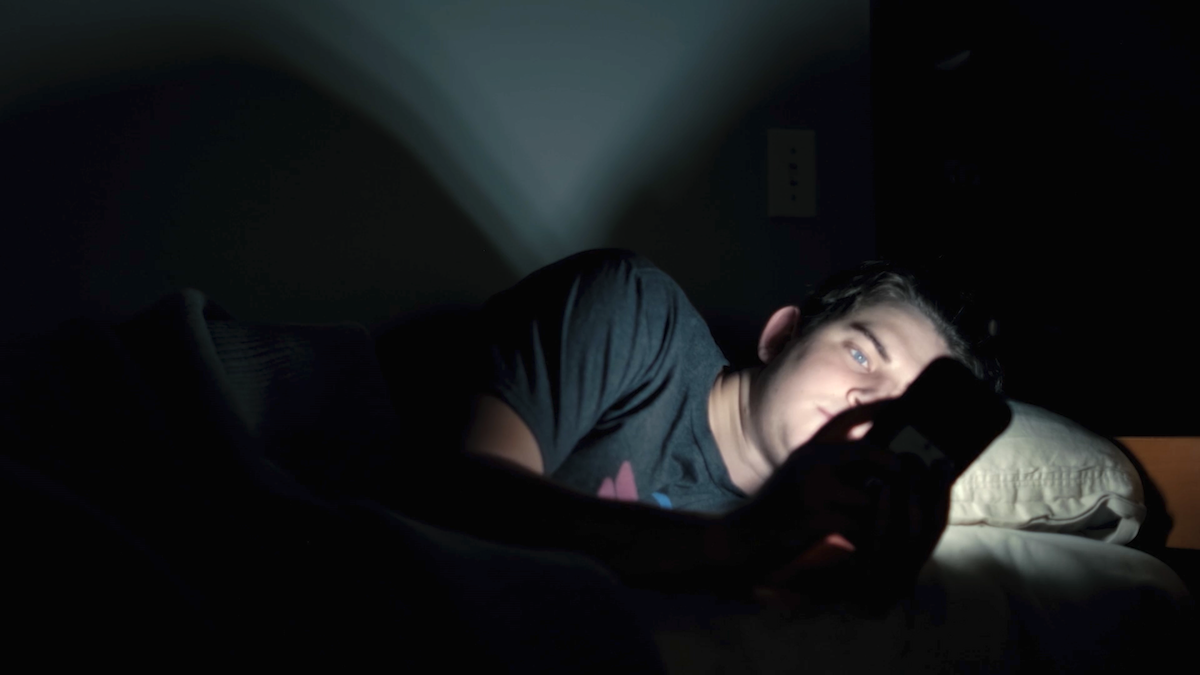
Now more than ever, it's time to make this the rule for your kids. You can share some of the science behind why you see this as such an important rule, and explain how the world of chatbots makes it even more important.
If you have older teens who already have a phone in their room and are adamant that they don 't want that to change, you might decide it 's not worth trying to change the rule. Totally get that. But you can still share your concerns. Helping keep them informed about the science of having tech in bedrooms and the risks of AI is a good thing.
Pushback is normal
Over the years, I've heard so many concerns from parents about making this change. Here are just a few:
These are understandable concerns, and I’ve written some strategies for each of these on our Screen-Free Sleep website.
If kids use their phones to listen to music or calming sounds, consider a non-internet-connected music player or another device that doesn't offer messaging, scrolling, or chatbots.
Talk with another parent, or a few parents in your child's class or grade, about working together to minimize nighttime distractions.
Imagine if just three or four parents in a class agreed to make sleep time screen-free. They could let other families know and invite them to join.
We have a multitrillion-dollar tech industry with powerful incentives to keep kids engaged, including when they should be sleeping.
We need each other to help make our kids ' sleep secure. It is not easy to make screen-free sleep happen, nor is it easy to make risk reduction happen if screens are kept in bedrooms. Let's ask for help and let's offer help. A vulnerable village is a can-do village!
You can find more solutions to common challenges, research, and practical resources at ScreenFreeSleep.org.
Ask youth the following:
Learn more about showing our movies in your school or community!
Join Screenagers filmmaker Delaney Ruston MD for our latest Podcast
Learn more about our Screen-Free Sleep campaign at the website!
Our movie made for parents and educators of younger kids
Join Screenagers filmmaker Delaney Ruston MD for our latest Podcast
Register your interest in bringing our new movie to your school or community
Subscribe to our YouTube Channel! We add new videos regularly and you'll find over 100 videos covering parenting advice, guidance, podcasts, movie clips and more. Here's our most recent:

As we’re about to celebrate 10 years of Screenagers, we want to hear what’s been most helpful and what you’d like to see next.
Please click here to share your thoughts with us in our community survey. It only takes 5–10 minutes, and everyone who completes it will be entered to win one of five $50 Amazon vouchers.
For today's title, I debated using the word "aliens" in place of "chatbots." I mean, these conversational chatbots freaking feel like aliens!
Today, I'm writing about the extremely worrisome fact that young people are turning to chatbots in the middle of the night to have conversations. My teen patients in the clinic attest to this.
Why? A common reason they tell me is that they go to "them" for relief from worries on their minds.
In our latest film, Screenagers: Generation AI, one teen boy says:
"At like 2:00 in the morning. I'm like, go to ChatGPT because I know no matter what, it will sit there and just let me vent."
And right after, adolescent psychiatrist Dr. René Stokes says:
"A lot of times, kids are rerunning the events of the day and asking the chatbot for advice."
Then psychologist Lisa Damour adds:
"When you have a chatbot who wants to keep you there as long as possible, that young person's not sleeping."
In addition, kids are naturally curious (which is wonderful!), and their desire to get answers to their questions, combined with the ease of turning to AI chatbots at any hour, can tempt them to sacrifice sleep.
I wonder how many young people were up late last week, turning to chatbots to make sense of the unsettling news about airline systems grinding to a halt and Microsoft going down.
Many of the risks I've written about apply day and night, such as becoming dependent on advice from bots and no longer trusting yourself, losing opportunities for human closeness, and receiving unsafe, sometimes even lethal, advice. And much more.
There is also the added issue that teens can be more emotionally vulnerable and prone to poor decisions when tired. This makes nighttime a particularly precarious time to be talking to robots.
And then, of course, critically, it is robbing young people of sleep.
Insufficient sleep is strongly associated with worse mental health, more difficulties in relationships, and problems with learning and attention.
We all know our cranky child or teen when they're tired. Think about how that plays out in complicated relationships with peers, teachers, teammates, and others. Learning in school takes a major beating, and I could go on and on.
And look, our society has created a sleep loss epidemic for kids and teens. According to the 2024 National Survey of Children's Health, roughly 1 in 3 U.S. children ages 6–17 (34.7%) did not get the recommended amount of sleep on most weeknights.
We know it's happening, but how often? Research shows that well over half of teens keep phones in their bedrooms overnight. And phones aren't the only devices that can offer conversational AI. Tablets, smart speakers like Alexa, and some toys now do so.
But how many young people are interacting with AI chatbots at night, how often, and what are they discussing? We have little data.
A 2026 study published in JAMA Network Open found that 16% of 13- and 14-year-olds and 22% of 15- to 17-year-olds accessed generative AI apps at least once between 10 p.m. and 4 a.m. during a seven-month study period.
There are important limitations:
The study also didn't capture browser-based AI use or voice conversations, and it couldn't tell us what teens were discussing.
This is where tech companies could help. They have access to far more information about nighttime AI interactions but aren't generally required to share it publicly. Revealing these patterns may also conflict with their financial incentives to keep users engaged.
I've written extensively about this, and last summer we launched our campaign, Screen-Free Sleep, to help parents to learn the knowledge and tools to make their kids' sleep distraction-free by keeping devices out of bedrooms overnight.
We did this because keeping devices out of kids' bedrooms is often an ongoing challenge, and parents need help.
So let me offer some recommendations.
Before I start, it goes without saying that a basic alarm clock is the answer to the common pushback: "I need my phone as my alarm clock."
Now more than ever, it's time to make this the rule for your kids. You can share some of the science behind why you see this as such an important rule, and explain how the world of chatbots makes it even more important.
If you have older teens who already have a phone in their room and are adamant that they don 't want that to change, you might decide it 's not worth trying to change the rule. Totally get that. But you can still share your concerns. Helping keep them informed about the science of having tech in bedrooms and the risks of AI is a good thing.
Pushback is normal
Over the years, I've heard so many concerns from parents about making this change. Here are just a few:
These are understandable concerns, and I’ve written some strategies for each of these on our Screen-Free Sleep website.
If kids use their phones to listen to music or calming sounds, consider a non-internet-connected music player or another device that doesn't offer messaging, scrolling, or chatbots.
Talk with another parent, or a few parents in your child's class or grade, about working together to minimize nighttime distractions.
Imagine if just three or four parents in a class agreed to make sleep time screen-free. They could let other families know and invite them to join.
We have a multitrillion-dollar tech industry with powerful incentives to keep kids engaged, including when they should be sleeping.
We need each other to help make our kids ' sleep secure. It is not easy to make screen-free sleep happen, nor is it easy to make risk reduction happen if screens are kept in bedrooms. Let's ask for help and let's offer help. A vulnerable village is a can-do village!
You can find more solutions to common challenges, research, and practical resources at ScreenFreeSleep.org.
Ask youth the following:
Subscribe to our YouTube Channel! We add new videos regularly and you'll find over 100 videos covering parenting advice, guidance, podcasts, movie clips and more. Here's our most recent:
Sign up here to receive the weekly Tech Talk Tuesdays newsletter from Screenagers filmmaker Delaney Ruston MD.
We respect your privacy.
For today's title, I debated using the word "aliens" in place of "chatbots." I mean, these conversational chatbots freaking feel like aliens!
Today, I'm writing about the extremely worrisome fact that young people are turning to chatbots in the middle of the night to have conversations. My teen patients in the clinic attest to this.
Why? A common reason they tell me is that they go to "them" for relief from worries on their minds.
In our latest film, Screenagers: Generation AI, one teen boy says:
"At like 2:00 in the morning. I'm like, go to ChatGPT because I know no matter what, it will sit there and just let me vent."
And right after, adolescent psychiatrist Dr. René Stokes says:
"A lot of times, kids are rerunning the events of the day and asking the chatbot for advice."
Then psychologist Lisa Damour adds:
"When you have a chatbot who wants to keep you there as long as possible, that young person's not sleeping."
In addition, kids are naturally curious (which is wonderful!), and their desire to get answers to their questions, combined with the ease of turning to AI chatbots at any hour, can tempt them to sacrifice sleep.
I wonder how many young people were up late last week, turning to chatbots to make sense of the unsettling news about airline systems grinding to a halt and Microsoft going down.
Many of the risks I've written about apply day and night, such as becoming dependent on advice from bots and no longer trusting yourself, losing opportunities for human closeness, and receiving unsafe, sometimes even lethal, advice. And much more.
There is also the added issue that teens can be more emotionally vulnerable and prone to poor decisions when tired. This makes nighttime a particularly precarious time to be talking to robots.
And then, of course, critically, it is robbing young people of sleep.
Insufficient sleep is strongly associated with worse mental health, more difficulties in relationships, and problems with learning and attention.
We all know our cranky child or teen when they're tired. Think about how that plays out in complicated relationships with peers, teachers, teammates, and others. Learning in school takes a major beating, and I could go on and on.
And look, our society has created a sleep loss epidemic for kids and teens. According to the 2024 National Survey of Children's Health, roughly 1 in 3 U.S. children ages 6–17 (34.7%) did not get the recommended amount of sleep on most weeknights.
We know it's happening, but how often? Research shows that well over half of teens keep phones in their bedrooms overnight. And phones aren't the only devices that can offer conversational AI. Tablets, smart speakers like Alexa, and some toys now do so.
But how many young people are interacting with AI chatbots at night, how often, and what are they discussing? We have little data.
A 2026 study published in JAMA Network Open found that 16% of 13- and 14-year-olds and 22% of 15- to 17-year-olds accessed generative AI apps at least once between 10 p.m. and 4 a.m. during a seven-month study period.
Starting this January, Google will not allow schools to provide students with Google Search without AI Overviews and AI Mode. Schools can offer Search with AI built in, or a version with Guided Learning, a feature still being piloted. I am very skeptical about beta-testing this product on our kids, as Google is doing. I share ways to act, from a Tech Advisory Committee to a petition calling for AI-free Search.
READ MORE >
Many teens turn to AI when struggling emotionally, but few admit it. In a new Jed Foundation survey, 57% of students said they had used AI to cope with hard emotions, yet only 8% said they seek its help. I share three questions to ask your teen, a story from my clinic, and why youth should turn to people, not AI.
READ MORE >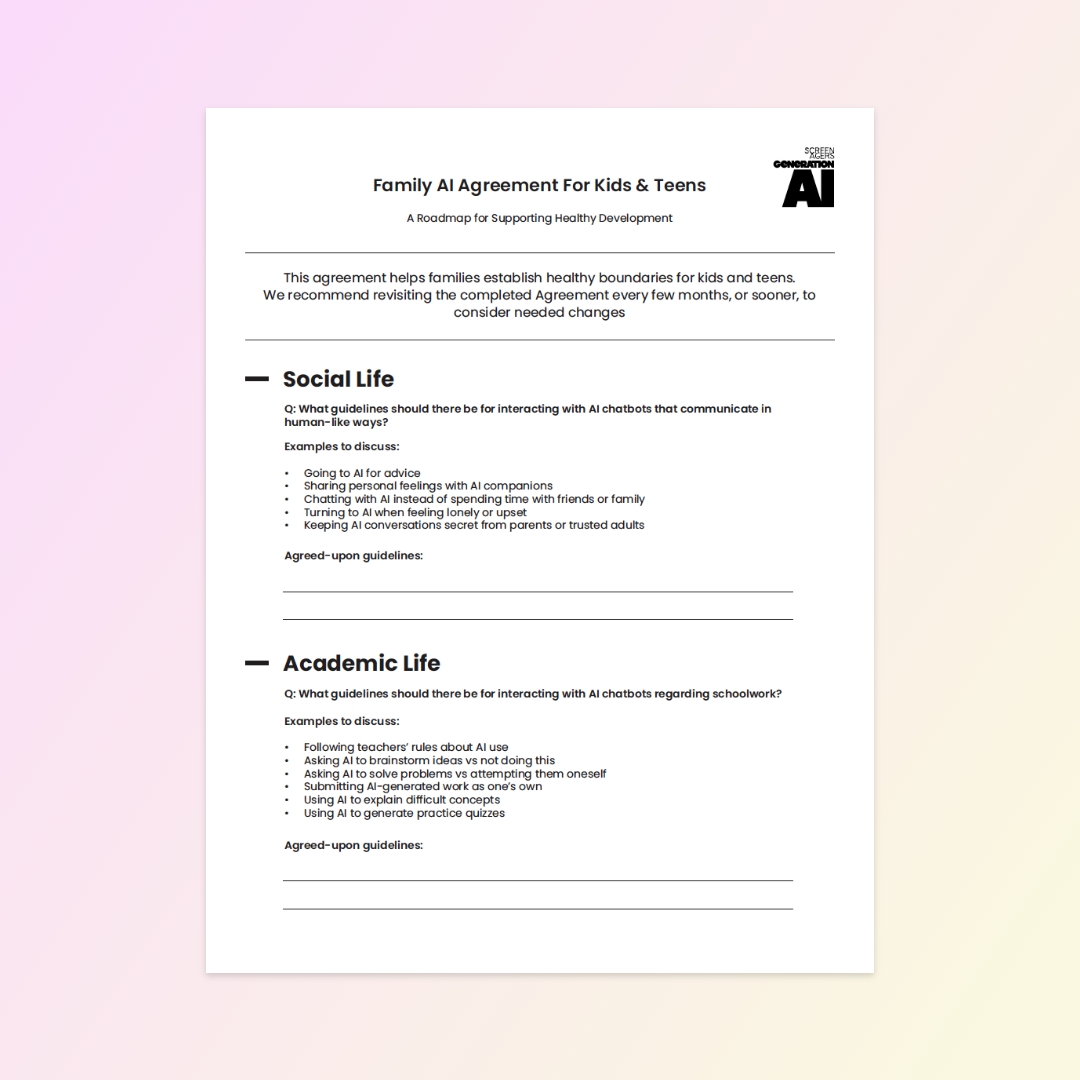
Nearly half of kids have never talked with their parents about AI safety. Our Family AI Agreement is a template to fill out together, covering social life, schoolwork, mental wellness, sleep, fakes, and privacy. The goal isn’t perfect rule-following but ongoing conversations about our WHYs.
READ MORE >for more like this, DR. DELANEY RUSTON'S NEW BOOK, PARENTING IN THE SCREEN AGE, IS THE DEFINITIVE GUIDE FOR TODAY’S PARENTS. WITH INSIGHTS ON SCREEN TIME FROM RESEARCHERS, INPUT FROM KIDS & TEENS, THIS BOOK IS PACKED WITH SOLUTIONS FOR HOW TO START AND SUSTAIN PRODUCTIVE FAMILY TALKS ABOUT TECHNOLOGY AND IT’S IMPACT ON OUR MENTAL WELLBEING.