


There is so much pain happening right now in the US due to the tragedy of the hateful shootings in Buffalo. Our kids are learning about this tragedy and feeling the grief.
How to help their mental health during such events?
Today, in keeping with this month of Mental Health Awareness, I want to talk about one of the most effective resilience skills we can help impart to our kids: the act of taking pain and turning it into positive action.
It is well established that doing actions to address tragedies or injustices can lift our feelings of wellbeing, hope, self-efficacy, and purpose. Doing actions like writing a letter to a congressperson, writing a caring letter to an impacted person, going to a protest, running a bake sale to raise money, and there are many more gold medal moves for emotional resiliency.
Resiliency is all about gaining emotional strength and feelings of hope, allowing us to move forward little by little.
While we know all this to be true, sometimes our kids might not have the motivation to do an act.
If your child is in such a state, or even if they are already doing actions, today I lay out a 3-step roadmap to use any time you think this resiliency skill could be positive for your kid or teen.


Learn more about showing our movies in your school or community!
Join Screenagers filmmaker Delaney Ruston MD for our latest Podcast

Learn more about our Screen-Free Sleep campaign at the website!
Our movie made for parents and educators of younger kids
Learn more about showing our movies in your school or community!
Register your interest in bringing our new movie to your school or community
Discuss and normalize how common it is for many emotions to arise that keep a person from doing actions.
These are just some of the thoughts that often go through a person’s head (young or old):
“I am so inconsequential, so what difference can I make?”
“The problems are so big, so the little things don’t matter.”
“This is all pointless. We are doomed.”
Discussing this thinking pattern is key because we know that young people are more prone to all-or-nothing thinking. Talking about such mind patterns is an important way of broadening emotional intelligence.
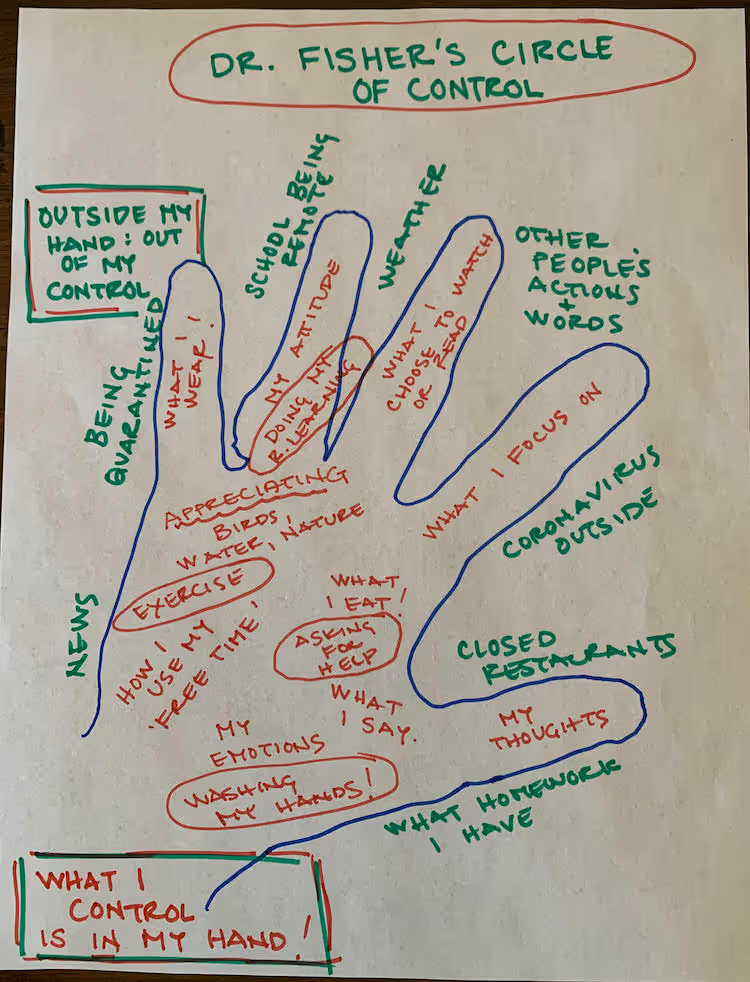
Address what can we can and can’t control. Tammy Fisher Huson, Ph.D. (author, youth mental wellness speaker, and in Screenagers Next Chapter), does an exercise with kids and adults together that is always really well received.
She has them draw a hand and write things all over their hand they feel they can control. For example, “I can control creating art to spread positive messages.” …“I can control my attitude.” …”I can control what I choose to watch or read.” … “I can control what I focus on.”
Then, she has them write the things the person can’t control around the outside of the hand. For example, the killings that just happened in Buffalo. We can’t control other people’s actions.
When they are done, she has everyone make a fist to remember this is everything you can control.
The essential aspect of this exercise is that it speaks to truth. Kids know when we are overselling things, like when we tell them, “You can totally change the world.” They want authenticity, which this exercise is about.
Learn more about showing our movies in your school or community!
Join Screenagers filmmaker Delaney Ruston MD for our latest Podcast
Learn more about our Screen-Free Sleep campaign at the website!
Our movie made for parents and educators of younger kids
Join Screenagers filmmaker Delaney Ruston MD for our latest Podcast
Register your interest in bringing our new movie to your school or community
Follow their lead but be ready with a backpack of provisions.
If your child is already doing some positive actions, that is great, and let them keep leading the way. But if they are not, it can be helpful to give them provisions. For instance, you can help model some actions by writing a letter to a congressperson from your family and bring it to your teen to see if they would sign it.
Another provision is to help wake up ideas in your child’s mind. For example, if your teen has shown concern over mental health issues, ask if they have a mental health-type club at their school. In Screenagers Next Chapter, we see kids flourishing as they participate in a mental health club at their high school. These are growing all over the country, and discussing what one might look like at their school is a great way to plant seeds.
Another example is to organize an outing with another family where you will be doing consciousness-raising. Coordinating and compromising with your teen makes them more likely to come along. Maybe you agree it will only be a short time, but the chances are that they will want to stay once they are there.
We can all do things to make a difference, and I feel blessed to have you, this community, from which to learn and share ideas and to help our kids become even greater changemakers.

As we’re about to celebrate 10 years of Screenagers, we want to hear what’s been most helpful and what you’d like to see next.
Please click here to share your thoughts with us in our community survey. It only takes 5–10 minutes, and everyone who completes it will be entered to win one of five $50 Amazon vouchers.
There is so much pain happening right now in the US due to the tragedy of the hateful shootings in Buffalo. Our kids are learning about this tragedy and feeling the grief.
How to help their mental health during such events?
Today, in keeping with this month of Mental Health Awareness, I want to talk about one of the most effective resilience skills we can help impart to our kids: the act of taking pain and turning it into positive action.
It is well established that doing actions to address tragedies or injustices can lift our feelings of wellbeing, hope, self-efficacy, and purpose. Doing actions like writing a letter to a congressperson, writing a caring letter to an impacted person, going to a protest, running a bake sale to raise money, and there are many more gold medal moves for emotional resiliency.
Resiliency is all about gaining emotional strength and feelings of hope, allowing us to move forward little by little.
While we know all this to be true, sometimes our kids might not have the motivation to do an act.
If your child is in such a state, or even if they are already doing actions, today I lay out a 3-step roadmap to use any time you think this resiliency skill could be positive for your kid or teen.
Discuss and normalize how common it is for many emotions to arise that keep a person from doing actions.
These are just some of the thoughts that often go through a person’s head (young or old):
“I am so inconsequential, so what difference can I make?”
“The problems are so big, so the little things don’t matter.”
“This is all pointless. We are doomed.”
Discussing this thinking pattern is key because we know that young people are more prone to all-or-nothing thinking. Talking about such mind patterns is an important way of broadening emotional intelligence.
Address what can we can and can’t control. Tammy Fisher Huson, Ph.D. (author, youth mental wellness speaker, and in Screenagers Next Chapter), does an exercise with kids and adults together that is always really well received.
She has them draw a hand and write things all over their hand they feel they can control. For example, “I can control creating art to spread positive messages.” …“I can control my attitude.” …”I can control what I choose to watch or read.” … “I can control what I focus on.”
Then, she has them write the things the person can’t control around the outside of the hand. For example, the killings that just happened in Buffalo. We can’t control other people’s actions.
When they are done, she has everyone make a fist to remember this is everything you can control.
The essential aspect of this exercise is that it speaks to truth. Kids know when we are overselling things, like when we tell them, “You can totally change the world.” They want authenticity, which this exercise is about.
Follow their lead but be ready with a backpack of provisions.
If your child is already doing some positive actions, that is great, and let them keep leading the way. But if they are not, it can be helpful to give them provisions. For instance, you can help model some actions by writing a letter to a congressperson from your family and bring it to your teen to see if they would sign it.
Another provision is to help wake up ideas in your child’s mind. For example, if your teen has shown concern over mental health issues, ask if they have a mental health-type club at their school. In Screenagers Next Chapter, we see kids flourishing as they participate in a mental health club at their high school. These are growing all over the country, and discussing what one might look like at their school is a great way to plant seeds.
Another example is to organize an outing with another family where you will be doing consciousness-raising. Coordinating and compromising with your teen makes them more likely to come along. Maybe you agree it will only be a short time, but the chances are that they will want to stay once they are there.
We can all do things to make a difference, and I feel blessed to have you, this community, from which to learn and share ideas and to help our kids become even greater changemakers.
Sign up here to receive the weekly Tech Talk Tuesdays newsletter from Screenagers filmmaker Delaney Ruston MD.
We respect your privacy.
There is so much pain happening right now in the US due to the tragedy of the hateful shootings in Buffalo. Our kids are learning about this tragedy and feeling the grief.
How to help their mental health during such events?
Today, in keeping with this month of Mental Health Awareness, I want to talk about one of the most effective resilience skills we can help impart to our kids: the act of taking pain and turning it into positive action.
It is well established that doing actions to address tragedies or injustices can lift our feelings of wellbeing, hope, self-efficacy, and purpose. Doing actions like writing a letter to a congressperson, writing a caring letter to an impacted person, going to a protest, running a bake sale to raise money, and there are many more gold medal moves for emotional resiliency.
Resiliency is all about gaining emotional strength and feelings of hope, allowing us to move forward little by little.
While we know all this to be true, sometimes our kids might not have the motivation to do an act.
If your child is in such a state, or even if they are already doing actions, today I lay out a 3-step roadmap to use any time you think this resiliency skill could be positive for your kid or teen.
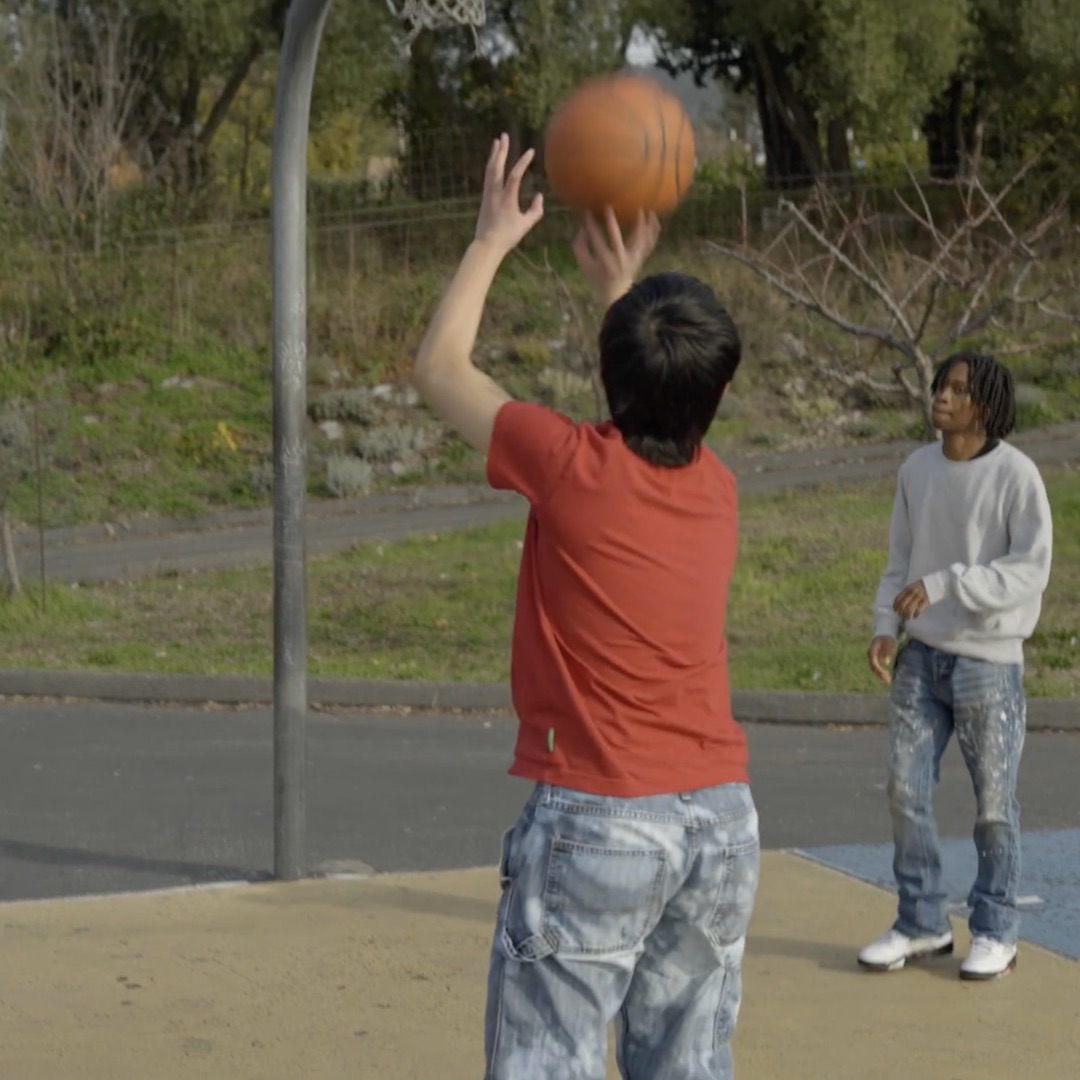
Tech journalist Manoush Zomorodi recently shared with Delaney the story behind her new book Body Electric and the citizen science experiment she ran with NPR and Dr. Keith Diaz of Columbia. The 20,000-person study found that five minutes of movement for every thirty minutes of sitting dropped fatigue by up to 28%, lowered blood glucose and blood pressure, and improved focus and mood. Plus, five practical reframes for talking to kids about movement without the eye rolls.
READ MORE >
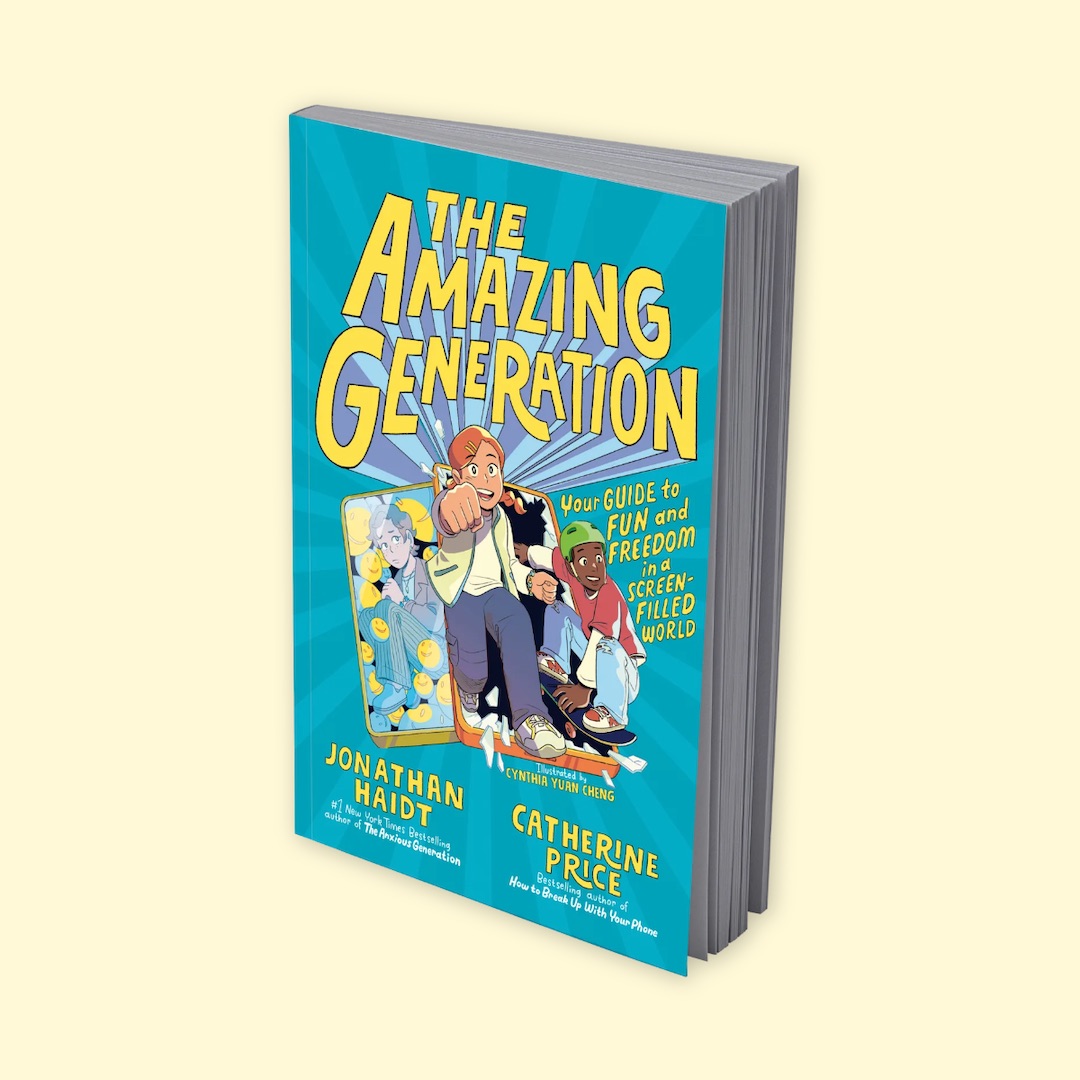
Catherine Price’s “Rebel's Code” focuses on intentional technology use and prioritizing real-world friendship, freedom, and fun. Her book The Amazing Generation, co-written with Jonathan Haidt, introduces these concepts to children through interactive formats and teen perspectives. Research indicates that when adolescents understand how platforms are designed to exploit attention, they show greater motivation to limit their social media use.
READ MORE >for more like this, DR. DELANEY RUSTON'S NEW BOOK, PARENTING IN THE SCREEN AGE, IS THE DEFINITIVE GUIDE FOR TODAY’S PARENTS. WITH INSIGHTS ON SCREEN TIME FROM RESEARCHERS, INPUT FROM KIDS & TEENS, THIS BOOK IS PACKED WITH SOLUTIONS FOR HOW TO START AND SUSTAIN PRODUCTIVE FAMILY TALKS ABOUT TECHNOLOGY AND IT’S IMPACT ON OUR MENTAL WELLBEING.