

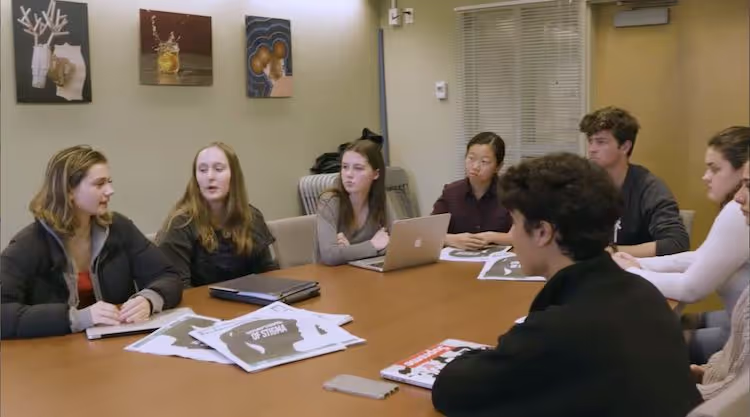

The start of this month was Suicide Prevention Week, and I was so thrilled to talk with teens who organized events in their schools. Many teens also posted educational messages about suicide prevention on their social media feeds.
Speaking of social media, the recently surfaced research by Facebook on its own company Instagram’s negative impact on teens’ mental health ties in well to the importance of today’s blog.
Many schools around the country are doing a 180-degree shift regarding suicide prevention education — and this is good! It was practically unheard of just five years ago. That said, it is not yet everywhere, and that is why reading this blog and talking with your children is so important.
In the Seattle area, Forefront in the Schools is an excellent model. This program was created by a friend of mine, Jennifer Stuber, Ph.D., and her team. The program’s mission is to get information about suicide prevention to parents, teachers, and students. This program uses a method called “train-the-trainer,” wherein parents train parents, teachers train teachers, and students train students.
For example, teens get trained on suicide prevention via a PowerPoint presentation, and then they go into classrooms at their high schools and use the same PowerPoint presentation to give their peers the information. For example, they talk about the important point that talking about suicide does not make someone become suicidal — a myth that needs to be eliminated immediately. Teens need to know that if they are worried about a friend, asking them whether they are thinking about suicide can be important.


Learn more about showing our movies in your school or community!
Join Screenagers filmmaker Delaney Ruston MD for our latest Podcast

Learn more about our Screen-Free Sleep campaign at the website!
Our movie made for parents and educators of younger kids
Learn more about showing our movies in your school or community!
Register your interest in bringing our new movie to your school or community
In Screenagers NEXT CHAPTER, you see two high school girls, Eunsoo and Ella, who are teen leaders of suicide education in their school, talking about the things that surprised them most about doing the program. In a past blog, there is a powerful 4-minute clip of them from the film.
My daughter Tessa did this program in her high school, and she often told me how much she enjoyed giving these presentations to her peers because she knew the content was incredibly important.
Another wonderful trend happening more and more in schools is the emergence of mental health clubs. Like any club, one or two adults are involved — often a super cool school counselor or a teacher who really cares about students’ emotional well-being. These clubs go by various names, such as Wellness Club, Mental Health Club, Suicide Prevention Club, Psychology Club, and more. The clubs do things like offering a pancake breakfast on a weekend morning for the community, where they present different topics to students and parents. They also do things like setting up a table at lunchtime to have discussions with other students and provide various resources.
Another exciting trend is that many schools are creating “Wellness Centers,” where they have resources and speakers from nonprofit organizations to speak about all sorts of topics, including suicide prevention.
Learn more about showing our movies in your school or community!
Join Screenagers filmmaker Delaney Ruston MD for our latest Podcast
Learn more about our Screen-Free Sleep campaign at the website!
Our movie made for parents and educators of younger kids
Join Screenagers filmmaker Delaney Ruston MD for our latest Podcast
Register your interest in bringing our new movie to your school or community
I recently talked to Lindsay, a senior in a Chicago-area public high school, advocating for a “Relaxation Room” at her school. She called me to get my thoughts on a petition she is putting together to create a Relaxation Room. She said to me, “I am motivated to do this because school can be such a stressful place, and we need a place for relaxation.”
Lindsay told me that another high school in her school district has a Relaxation Room, so she is hopeful that she can help bring one to her school. It is conversations with people like Lindsay that make me hopeful for our future. Please share ideas that come up via your conversations with our greater community on Facebook.
Before discussing suicide prevention with your kids, consider reading my past blog that has ideas about how to talk about this sensitive subject with youth.

As we’re about to celebrate 10 years of Screenagers, we want to hear what’s been most helpful and what you’d like to see next.
Please click here to share your thoughts with us in our community survey. It only takes 5–10 minutes, and everyone who completes it will be entered to win one of five $50 Amazon vouchers.
The start of this month was Suicide Prevention Week, and I was so thrilled to talk with teens who organized events in their schools. Many teens also posted educational messages about suicide prevention on their social media feeds.
Speaking of social media, the recently surfaced research by Facebook on its own company Instagram’s negative impact on teens’ mental health ties in well to the importance of today’s blog.
Many schools around the country are doing a 180-degree shift regarding suicide prevention education — and this is good! It was practically unheard of just five years ago. That said, it is not yet everywhere, and that is why reading this blog and talking with your children is so important.
In the Seattle area, Forefront in the Schools is an excellent model. This program was created by a friend of mine, Jennifer Stuber, Ph.D., and her team. The program’s mission is to get information about suicide prevention to parents, teachers, and students. This program uses a method called “train-the-trainer,” wherein parents train parents, teachers train teachers, and students train students.
For example, teens get trained on suicide prevention via a PowerPoint presentation, and then they go into classrooms at their high schools and use the same PowerPoint presentation to give their peers the information. For example, they talk about the important point that talking about suicide does not make someone become suicidal — a myth that needs to be eliminated immediately. Teens need to know that if they are worried about a friend, asking them whether they are thinking about suicide can be important.
In Screenagers NEXT CHAPTER, you see two high school girls, Eunsoo and Ella, who are teen leaders of suicide education in their school, talking about the things that surprised them most about doing the program. In a past blog, there is a powerful 4-minute clip of them from the film.
My daughter Tessa did this program in her high school, and she often told me how much she enjoyed giving these presentations to her peers because she knew the content was incredibly important.
Another wonderful trend happening more and more in schools is the emergence of mental health clubs. Like any club, one or two adults are involved — often a super cool school counselor or a teacher who really cares about students’ emotional well-being. These clubs go by various names, such as Wellness Club, Mental Health Club, Suicide Prevention Club, Psychology Club, and more. The clubs do things like offering a pancake breakfast on a weekend morning for the community, where they present different topics to students and parents. They also do things like setting up a table at lunchtime to have discussions with other students and provide various resources.
Another exciting trend is that many schools are creating “Wellness Centers,” where they have resources and speakers from nonprofit organizations to speak about all sorts of topics, including suicide prevention.
I recently talked to Lindsay, a senior in a Chicago-area public high school, advocating for a “Relaxation Room” at her school. She called me to get my thoughts on a petition she is putting together to create a Relaxation Room. She said to me, “I am motivated to do this because school can be such a stressful place, and we need a place for relaxation.”
Lindsay told me that another high school in her school district has a Relaxation Room, so she is hopeful that she can help bring one to her school. It is conversations with people like Lindsay that make me hopeful for our future. Please share ideas that come up via your conversations with our greater community on Facebook.
Before discussing suicide prevention with your kids, consider reading my past blog that has ideas about how to talk about this sensitive subject with youth.
Sign up here to receive the weekly Tech Talk Tuesdays newsletter from Screenagers filmmaker Delaney Ruston MD.
We respect your privacy.
The start of this month was Suicide Prevention Week, and I was so thrilled to talk with teens who organized events in their schools. Many teens also posted educational messages about suicide prevention on their social media feeds.
Speaking of social media, the recently surfaced research by Facebook on its own company Instagram’s negative impact on teens’ mental health ties in well to the importance of today’s blog.
Many schools around the country are doing a 180-degree shift regarding suicide prevention education — and this is good! It was practically unheard of just five years ago. That said, it is not yet everywhere, and that is why reading this blog and talking with your children is so important.
In the Seattle area, Forefront in the Schools is an excellent model. This program was created by a friend of mine, Jennifer Stuber, Ph.D., and her team. The program’s mission is to get information about suicide prevention to parents, teachers, and students. This program uses a method called “train-the-trainer,” wherein parents train parents, teachers train teachers, and students train students.
For example, teens get trained on suicide prevention via a PowerPoint presentation, and then they go into classrooms at their high schools and use the same PowerPoint presentation to give their peers the information. For example, they talk about the important point that talking about suicide does not make someone become suicidal — a myth that needs to be eliminated immediately. Teens need to know that if they are worried about a friend, asking them whether they are thinking about suicide can be important.
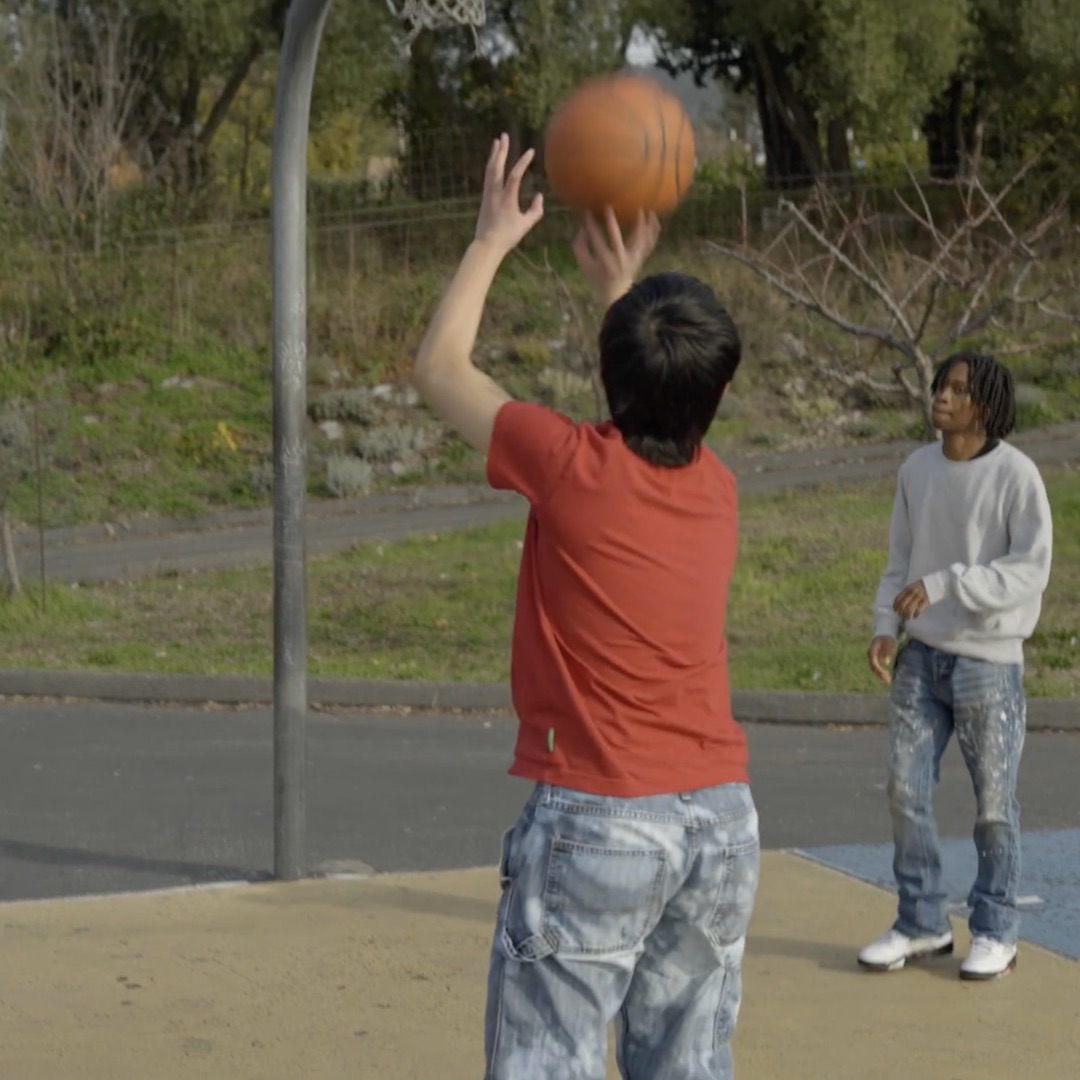
Tech journalist Manoush Zomorodi recently shared with Delaney the story behind her new book Body Electric and the citizen science experiment she ran with NPR and Dr. Keith Diaz of Columbia. The 20,000-person study found that five minutes of movement for every thirty minutes of sitting dropped fatigue by up to 28%, lowered blood glucose and blood pressure, and improved focus and mood. Plus, five practical reframes for talking to kids about movement without the eye rolls.
READ MORE >
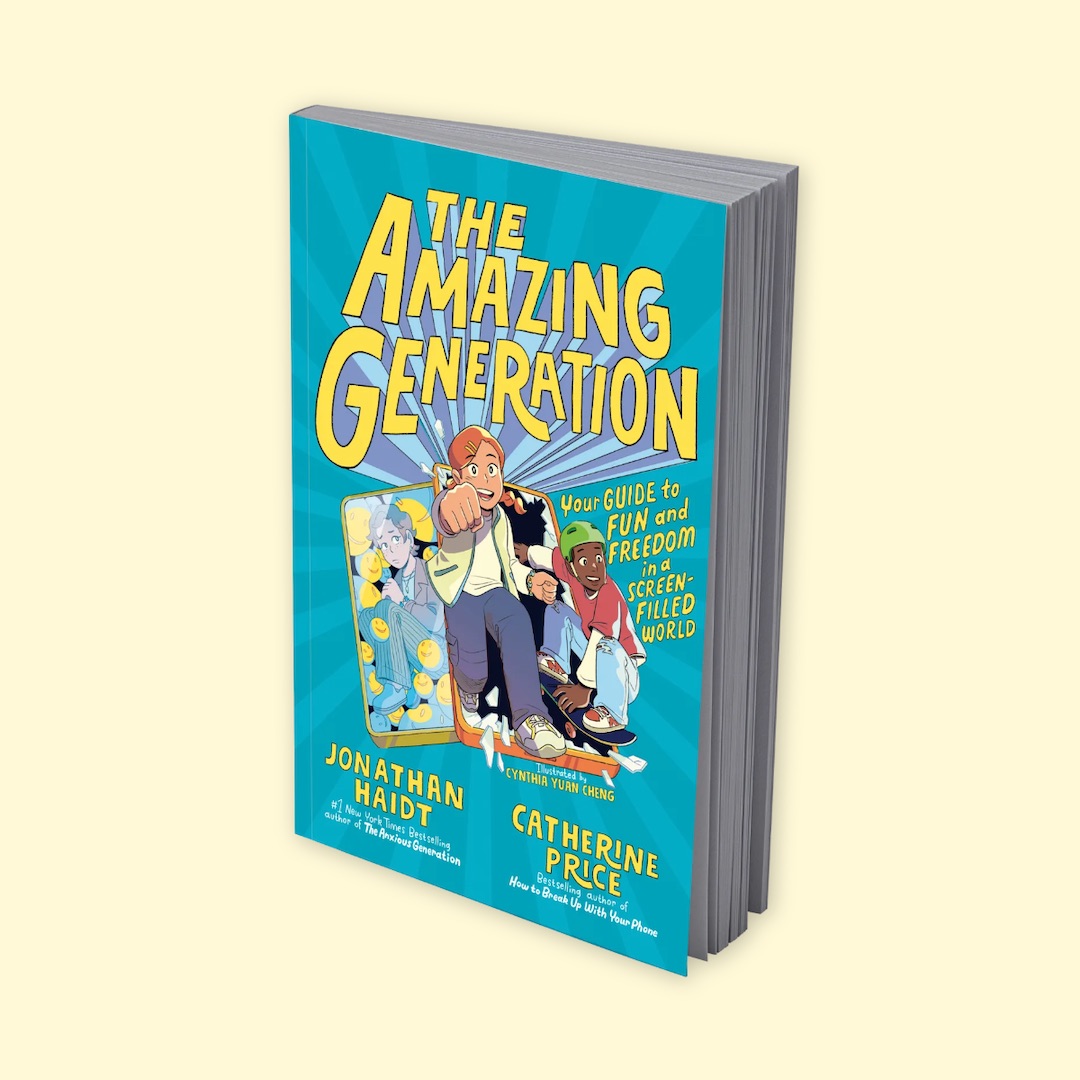
Catherine Price’s “Rebel's Code” focuses on intentional technology use and prioritizing real-world friendship, freedom, and fun. Her book The Amazing Generation, co-written with Jonathan Haidt, introduces these concepts to children through interactive formats and teen perspectives. Research indicates that when adolescents understand how platforms are designed to exploit attention, they show greater motivation to limit their social media use.
READ MORE >for more like this, DR. DELANEY RUSTON'S NEW BOOK, PARENTING IN THE SCREEN AGE, IS THE DEFINITIVE GUIDE FOR TODAY’S PARENTS. WITH INSIGHTS ON SCREEN TIME FROM RESEARCHERS, INPUT FROM KIDS & TEENS, THIS BOOK IS PACKED WITH SOLUTIONS FOR HOW TO START AND SUSTAIN PRODUCTIVE FAMILY TALKS ABOUT TECHNOLOGY AND IT’S IMPACT ON OUR MENTAL WELLBEING.