

The big buzz word these days is AI—Artificial Intelligence. In fact, I have met several high school and college students who say they want to pursue careers in AI. For this week’s TTT, I want to bring up the AI devices that many homes have or will get: Amazon’s Alexa and Echo, and Google Home.
These devices can be an incredible asset to some people. For instance, for those who have limitations with their vision, the device provides them valuable information. I know of several friends who are getting these for their aging parents to help them with tasks like playing music, making calls and finding information.
There are several concerns with such devices, particularly regarding very young people. Recently the toy company, Mattel, planned to release a baby monitor called, “Aristotle.” The idea was that it would form an emotional tie with a baby by doing things like singing and reading to the child.
A device like the Aristotle would give Mattel and other corporations around the clock access to the baby, and collect data which they would use to market to his/her parents. When the people at the Campaign for a Commercial-Free Childhood and the Story of Stuff Project heard about this device, they started a petition that amassed 20,000 signatures, and ultimately put a stop to Aristotle’s release. Mattel has decided to not bring the monitor to market, at least for now.
Another topic to consider is that communication with these devices can be a bit worrisome when toddlers and young kids are around. When adults yell out commands at such devices, it turns out toddlers start to do the same. How will this impact the way in which they act with other kids and adults?


Learn more about showing our movies in your school or community!
Join Screenagers filmmaker Delaney Ruston MD for our latest Podcast

Learn more about our Screen-Free Sleep campaign at the website!
Our movie made for parents and educators of younger kids
Learn more about showing our movies in your school or community!
Register your interest in bringing our new movie to your school or community
Learn more about showing our movies in your school or community!
Join Screenagers filmmaker Delaney Ruston MD for our latest Podcast
Learn more about our Screen-Free Sleep campaign at the website!
Our movie made for parents and educators of younger kids
Join Screenagers filmmaker Delaney Ruston MD for our latest Podcast
Register your interest in bringing our new movie to your school or community
As we’re about to celebrate 10 years of Screenagers, we want to hear what’s been most helpful and what you’d like to see next.
Please click here to share your thoughts with us in our community survey. It only takes 5–10 minutes, and everyone who completes it will be entered to win one of five $50 Amazon vouchers.
The big buzz word these days is AI—Artificial Intelligence. In fact, I have met several high school and college students who say they want to pursue careers in AI. For this week’s TTT, I want to bring up the AI devices that many homes have or will get: Amazon’s Alexa and Echo, and Google Home.
These devices can be an incredible asset to some people. For instance, for those who have limitations with their vision, the device provides them valuable information. I know of several friends who are getting these for their aging parents to help them with tasks like playing music, making calls and finding information.
There are several concerns with such devices, particularly regarding very young people. Recently the toy company, Mattel, planned to release a baby monitor called, “Aristotle.” The idea was that it would form an emotional tie with a baby by doing things like singing and reading to the child.
A device like the Aristotle would give Mattel and other corporations around the clock access to the baby, and collect data which they would use to market to his/her parents. When the people at the Campaign for a Commercial-Free Childhood and the Story of Stuff Project heard about this device, they started a petition that amassed 20,000 signatures, and ultimately put a stop to Aristotle’s release. Mattel has decided to not bring the monitor to market, at least for now.
Another topic to consider is that communication with these devices can be a bit worrisome when toddlers and young kids are around. When adults yell out commands at such devices, it turns out toddlers start to do the same. How will this impact the way in which they act with other kids and adults?
Sign up here to receive the weekly Tech Talk Tuesdays newsletter from Screenagers filmmaker Delaney Ruston MD.
We respect your privacy.
The big buzz word these days is AI—Artificial Intelligence. In fact, I have met several high school and college students who say they want to pursue careers in AI. For this week’s TTT, I want to bring up the AI devices that many homes have or will get: Amazon’s Alexa and Echo, and Google Home.
These devices can be an incredible asset to some people. For instance, for those who have limitations with their vision, the device provides them valuable information. I know of several friends who are getting these for their aging parents to help them with tasks like playing music, making calls and finding information.
There are several concerns with such devices, particularly regarding very young people. Recently the toy company, Mattel, planned to release a baby monitor called, “Aristotle.” The idea was that it would form an emotional tie with a baby by doing things like singing and reading to the child.
A device like the Aristotle would give Mattel and other corporations around the clock access to the baby, and collect data which they would use to market to his/her parents. When the people at the Campaign for a Commercial-Free Childhood and the Story of Stuff Project heard about this device, they started a petition that amassed 20,000 signatures, and ultimately put a stop to Aristotle’s release. Mattel has decided to not bring the monitor to market, at least for now.
Another topic to consider is that communication with these devices can be a bit worrisome when toddlers and young kids are around. When adults yell out commands at such devices, it turns out toddlers start to do the same. How will this impact the way in which they act with other kids and adults?
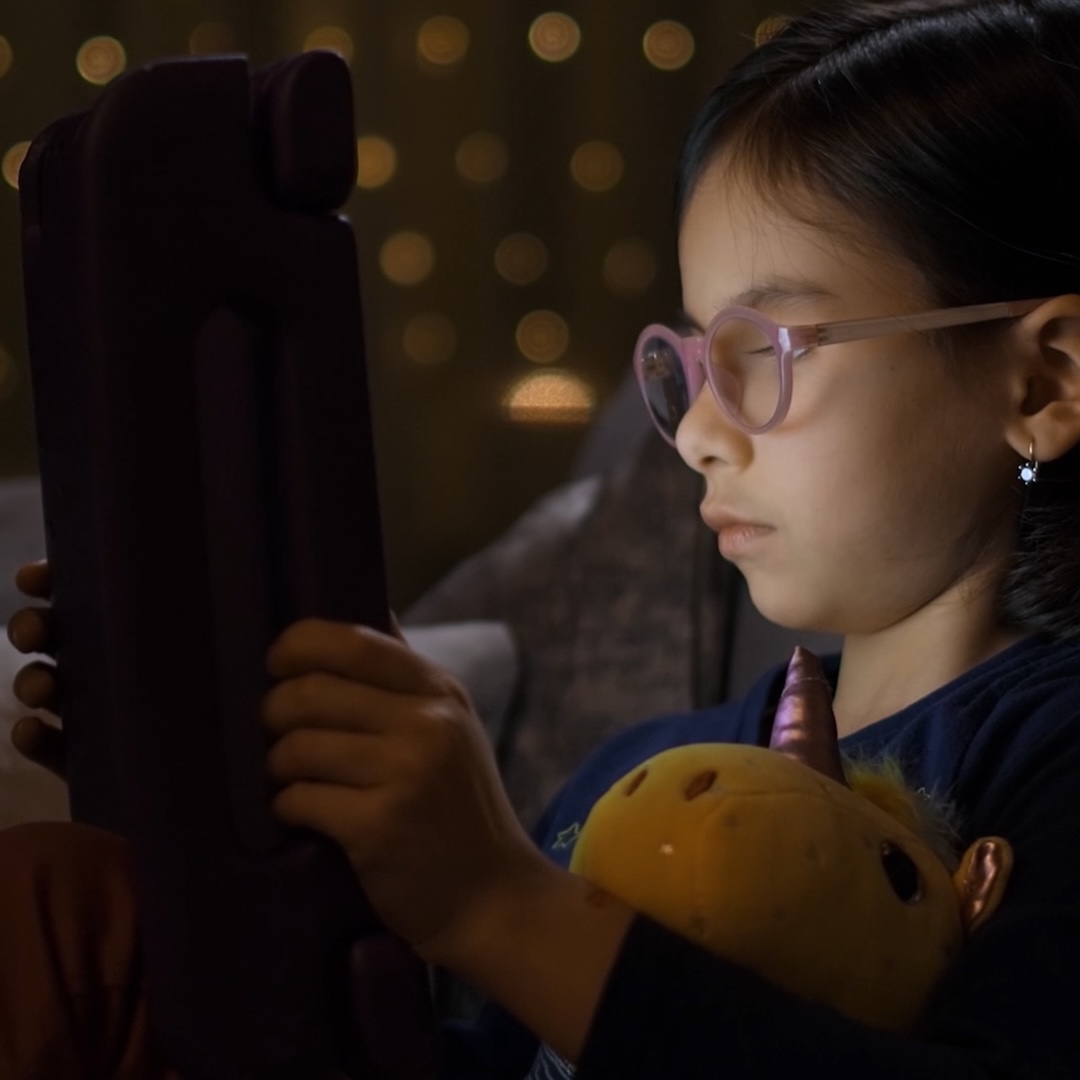
Teens are turning to AI chatbots late at night to vent and ask for advice, and it’s costing them sleep when they’re at their most vulnerable. A 2026 study found that up to 22% of teens used AI apps between 10 p.m. and 4 a.m. The fix is screen-free sleep: keep devices out of bedrooms, offer alternatives like a basic alarm clock, and team up with other parents.
READ MORE >
Starting this January, Google will not allow schools to provide students with Google Search without AI Overviews and AI Mode. Schools can offer Search with AI built in, or a version with Guided Learning, a feature still being piloted. I am very skeptical about beta-testing this product on our kids, as Google is doing. I share ways to act, from a Tech Advisory Committee to a petition calling for AI-free Search.
READ MORE >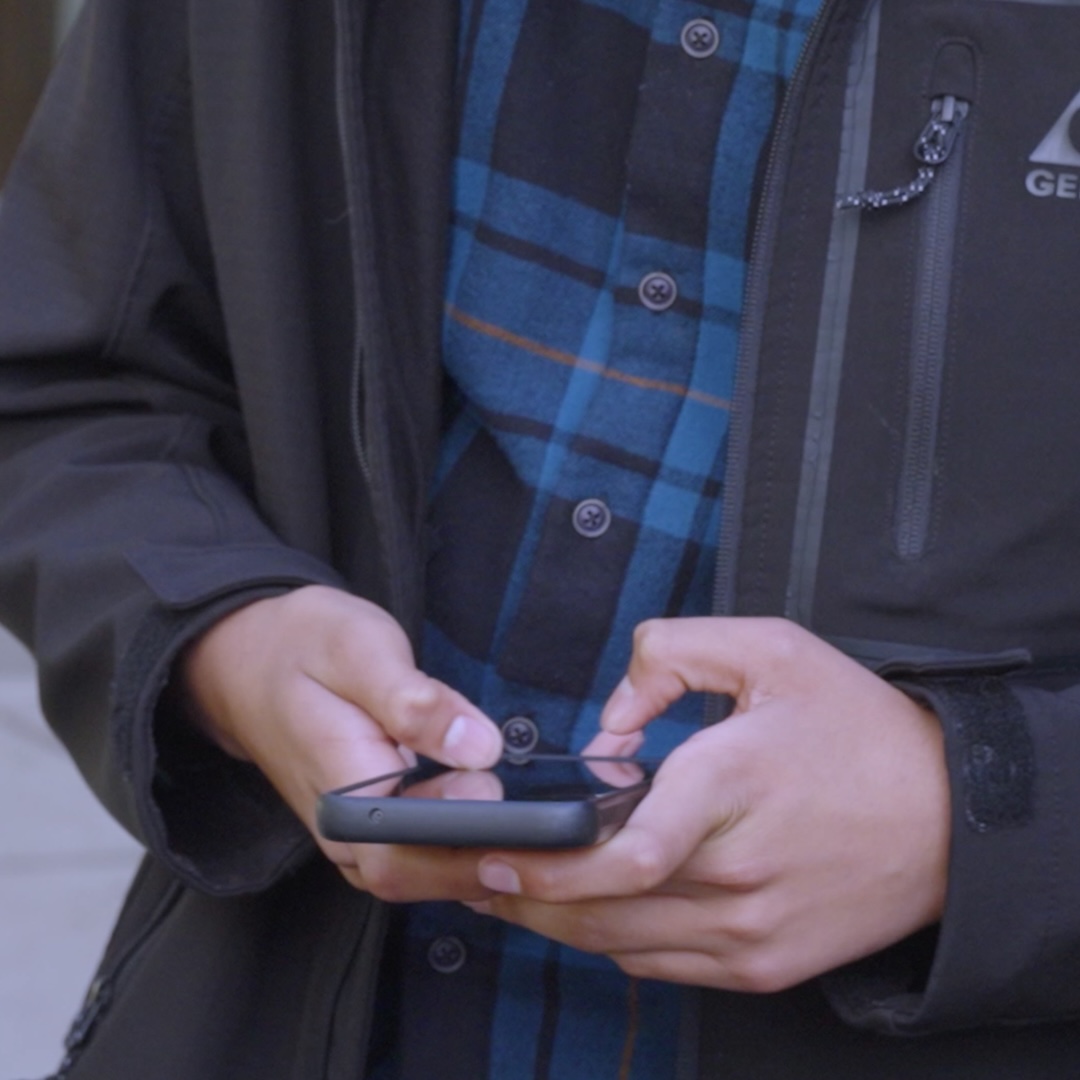
Many teens turn to AI when struggling emotionally, but few admit it. In a new Jed Foundation survey, 57% of students said they had used AI to cope with hard emotions, yet only 8% said they seek its help. I share three questions to ask your teen, a story from my clinic, and why youth should turn to people, not AI.
READ MORE >for more like this, DR. DELANEY RUSTON'S NEW BOOK, PARENTING IN THE SCREEN AGE, IS THE DEFINITIVE GUIDE FOR TODAY’S PARENTS. WITH INSIGHTS ON SCREEN TIME FROM RESEARCHERS, INPUT FROM KIDS & TEENS, THIS BOOK IS PACKED WITH SOLUTIONS FOR HOW TO START AND SUSTAIN PRODUCTIVE FAMILY TALKS ABOUT TECHNOLOGY AND IT’S IMPACT ON OUR MENTAL WELLBEING.