


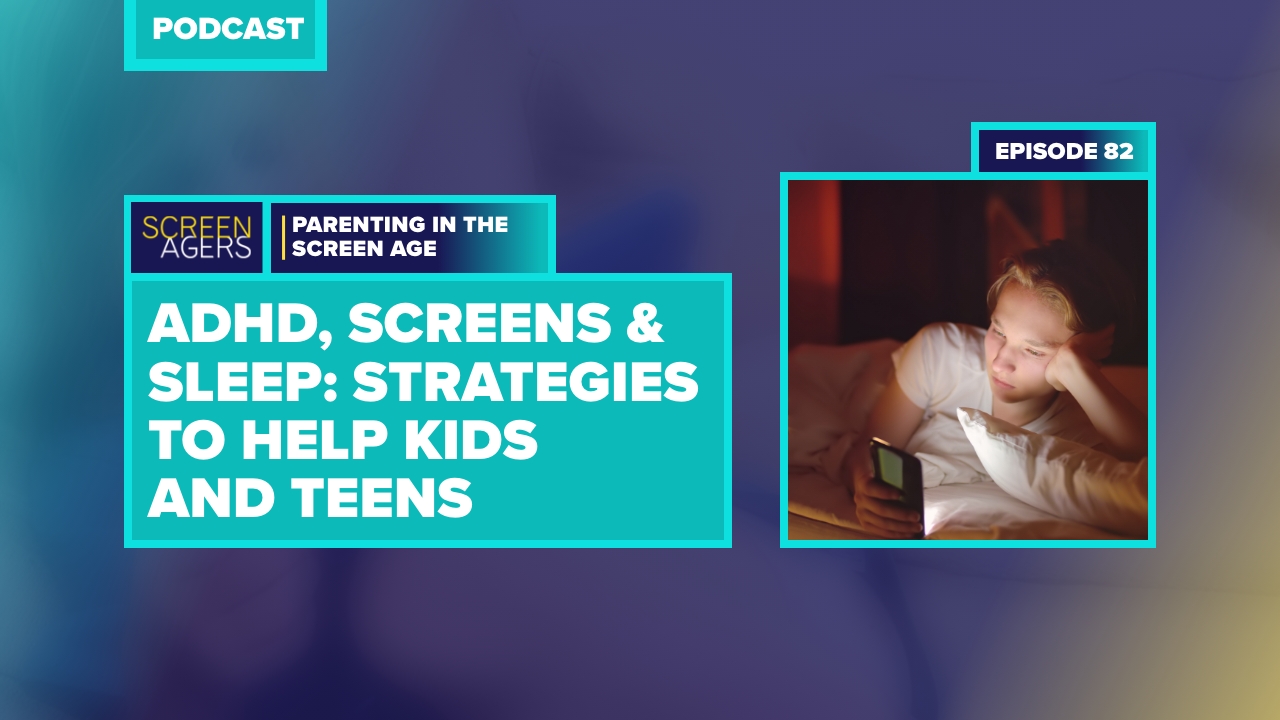



Confused about ADHD or looking for effective ways to support a child or teen? Dr. Ruston is joined by Erin Schoenfelder Gonzalez, PhD, a clinical psychologist at Seattle Children’s Hospital, who explains how ADHD is diagnosed and how symptoms evolve from childhood through adolescence. They explore both the strengths and challenges associated with the condition.
The episode focuses on research-based strategies that parents and other adults can use to support youth, including “point-of-performance” actions, preventing “dopamine cliffs,” and other approaches for managing screen time, physical activity, and sleep. Dr. Schoenfelder Gonzalez also shares her work developing FAST (First Approach Skills Training), a free, evidence-based program designed to give parents practical tools to support youth with ADHD and other conditions.
Featured Expert
Erin Schoenfelder Gonzalez, PhD
Research References
Sibley, M. et al. Non-pharmacological interventions for attention-deficit hyperactivity disorder in children and adolescents. Lancet Child & Adolescent Health. 2023
Sharma, A. et al. Stimulant medications affect arousal and reward, not attention networks. Cell, 2025.
Resources
Fast Approach Skills Training Program
Additional Resources
Bring Screenagers to Your Community
Time Code
00:00 Welcome and Topic Setup
01:34 Meet Dr Erin Felder Gonzalez
02:37 Why ADHD Not ADD
03:33 ADHD Across Ages
08:14 Motivation and Reward Brain
09:53 Explaining ADHD Positively
11:59 ADHD and Mood Struggles
12:59 Screenagers Films Break
13:49 Parent Training Big Picture
17:10 Positive Reinforcement Skills
18:50 Family Media Plan Basics
21:59 Handling Screen Limit Pushback
24:50 Transitions and Consequences
27:10 Choosing Better Content
29:06 Physical Activity in Teens
31:26 Sleep Challenges and Tips
34:51 ADHD Brain Differences
36:54 FAST Program Resources
37:52 Community Support and Wrap
39:19 Final Thanks and Subscribe
Whether it is about a specific episode, a related topic or anything else, Dr. Ruston and the Screenagers Team would love to hear from you.
Record your question here and Dr. Ruston will try to answer them in upcoming Podcast episodes.