



Teens and tweens often tell me how they talk with each other about their stress levels.
The other day I passed out an anonymous survey for reactions from teens to Screenagers NEXT CHAPTER, and one high schooler wrote: "It was really helpful to hear someone other than teens talk about teen stress."
When people get asked to rank their level of perceived stress, teens on average report higher levels than adults. There are many reasons teens report stress, including academic-related stress and stress from relationships with peers and family. There is also the stress of trying to feel "good enough," or trying to belong to a peer group, just to name a few.
Screen time and stress can be intertwined.
Youth tell me many positive ways screen time helps them to cope with stress, such as contacting a good friend to get advice, or using it to make a song. Both of these uses help them relax and feel more competent. Many talk about YouTubers they turn to for insights on "How to cope on a bad day?" or "How to approach a friend who is ignoring them?" Others tell me that they achieve instant stress reduction from watching funny YouTube videos.
On the flip side, there are many ways screen time can promote feelings of stress.
One of the big ones is managing social media – both the relationship issues that emerge and the sheer volume of things that demand their attention. I interviewed a 15 year-old girl in Screenagers NEXT CHAPTER who talked about the stress she feels from social media and all the "Snaps" (i.e., messages) she gets.
“I’ll send Streaks. At eight o’clock I’ll put my phone down, I’ll go eat breakfast. I’d come back, and I’ll have like 17 different Snaps from people. I have to make sure I’m not ignoring them. And they know I’m not ignoring them. It’s just a lot.”
While adults talk a lot about their fear that cyberbullying is a significant issue on social media platforms, far more often tw/teens tell me other ways that screen time leads them to feel stress. Here are a few of the many other examples they give:
So often, youth tell me that immediately turning to a screen for escape is their go-to when they are feeling stressed. One 12-year-old boy said, "When I'm feeling stressed, I go on my phone, Snapchat, YouTube."
Teens are fully aware of how using screen time to cope with stress can help in the short run but often only makes things worse. For example, when they feel stress if they have to write a paper – how easy it is to escape the feeling by watching YouTube videos, only to feel greater stress as the night gets later. They have not done work on the paper and then it just spirals, with less sleep and so forth.
If you want to host a screening of the movie in your community, please fill out this form.
*We would love for you to share this TTT any way that works for you, whether that’s on social media or via a newsletter. If you want to send it out in your newsletter we just ask that you credit us and link to our website, and let us know at lisa@screenagersmovie.com.
Stay in touch with the Screenagers community on Facebook, Twitter and leave comments below.


Learn more about showing our movies in your school or community!
Join Screenagers filmmaker Delaney Ruston MD for our latest Podcast

Learn more about our Screen-Free Sleep campaign at the website!
Our movie made for parents and educators of younger kids
Learn more about showing our movies in your school or community!
Register your interest in bringing our new movie to your school or community
Learn more about showing our movies in your school or community!
Join Screenagers filmmaker Delaney Ruston MD for our latest Podcast
Learn more about our Screen-Free Sleep campaign at the website!
Our movie made for parents and educators of younger kids
Join Screenagers filmmaker Delaney Ruston MD for our latest Podcast
Register your interest in bringing our new movie to your school or community

As we’re about to celebrate 10 years of Screenagers, we want to hear what’s been most helpful and what you’d like to see next.
Please click here to share your thoughts with us in our community survey. It only takes 5–10 minutes, and everyone who completes it will be entered to win one of five $50 Amazon vouchers.
Teens and tweens often tell me how they talk with each other about their stress levels.
The other day I passed out an anonymous survey for reactions from teens to Screenagers NEXT CHAPTER, and one high schooler wrote: "It was really helpful to hear someone other than teens talk about teen stress."
When people get asked to rank their level of perceived stress, teens on average report higher levels than adults. There are many reasons teens report stress, including academic-related stress and stress from relationships with peers and family. There is also the stress of trying to feel "good enough," or trying to belong to a peer group, just to name a few.
Screen time and stress can be intertwined.
Youth tell me many positive ways screen time helps them to cope with stress, such as contacting a good friend to get advice, or using it to make a song. Both of these uses help them relax and feel more competent. Many talk about YouTubers they turn to for insights on "How to cope on a bad day?" or "How to approach a friend who is ignoring them?" Others tell me that they achieve instant stress reduction from watching funny YouTube videos.
On the flip side, there are many ways screen time can promote feelings of stress.
One of the big ones is managing social media – both the relationship issues that emerge and the sheer volume of things that demand their attention. I interviewed a 15 year-old girl in Screenagers NEXT CHAPTER who talked about the stress she feels from social media and all the "Snaps" (i.e., messages) she gets.
“I’ll send Streaks. At eight o’clock I’ll put my phone down, I’ll go eat breakfast. I’d come back, and I’ll have like 17 different Snaps from people. I have to make sure I’m not ignoring them. And they know I’m not ignoring them. It’s just a lot.”
While adults talk a lot about their fear that cyberbullying is a significant issue on social media platforms, far more often tw/teens tell me other ways that screen time leads them to feel stress. Here are a few of the many other examples they give:
So often, youth tell me that immediately turning to a screen for escape is their go-to when they are feeling stressed. One 12-year-old boy said, "When I'm feeling stressed, I go on my phone, Snapchat, YouTube."
Teens are fully aware of how using screen time to cope with stress can help in the short run but often only makes things worse. For example, when they feel stress if they have to write a paper – how easy it is to escape the feeling by watching YouTube videos, only to feel greater stress as the night gets later. They have not done work on the paper and then it just spirals, with less sleep and so forth.
If you want to host a screening of the movie in your community, please fill out this form.
*We would love for you to share this TTT any way that works for you, whether that’s on social media or via a newsletter. If you want to send it out in your newsletter we just ask that you credit us and link to our website, and let us know at lisa@screenagersmovie.com.
Stay in touch with the Screenagers community on Facebook, Twitter and leave comments below.
Sign up here to receive the weekly Tech Talk Tuesdays newsletter from Screenagers filmmaker Delaney Ruston MD.
We respect your privacy.
Teens and tweens often tell me how they talk with each other about their stress levels.
The other day I passed out an anonymous survey for reactions from teens to Screenagers NEXT CHAPTER, and one high schooler wrote: "It was really helpful to hear someone other than teens talk about teen stress."
When people get asked to rank their level of perceived stress, teens on average report higher levels than adults. There are many reasons teens report stress, including academic-related stress and stress from relationships with peers and family. There is also the stress of trying to feel "good enough," or trying to belong to a peer group, just to name a few.
Screen time and stress can be intertwined.
Youth tell me many positive ways screen time helps them to cope with stress, such as contacting a good friend to get advice, or using it to make a song. Both of these uses help them relax and feel more competent. Many talk about YouTubers they turn to for insights on "How to cope on a bad day?" or "How to approach a friend who is ignoring them?" Others tell me that they achieve instant stress reduction from watching funny YouTube videos.
On the flip side, there are many ways screen time can promote feelings of stress.
One of the big ones is managing social media – both the relationship issues that emerge and the sheer volume of things that demand their attention. I interviewed a 15 year-old girl in Screenagers NEXT CHAPTER who talked about the stress she feels from social media and all the "Snaps" (i.e., messages) she gets.
“I’ll send Streaks. At eight o’clock I’ll put my phone down, I’ll go eat breakfast. I’d come back, and I’ll have like 17 different Snaps from people. I have to make sure I’m not ignoring them. And they know I’m not ignoring them. It’s just a lot.”
While adults talk a lot about their fear that cyberbullying is a significant issue on social media platforms, far more often tw/teens tell me other ways that screen time leads them to feel stress. Here are a few of the many other examples they give:
So often, youth tell me that immediately turning to a screen for escape is their go-to when they are feeling stressed. One 12-year-old boy said, "When I'm feeling stressed, I go on my phone, Snapchat, YouTube."
Teens are fully aware of how using screen time to cope with stress can help in the short run but often only makes things worse. For example, when they feel stress if they have to write a paper – how easy it is to escape the feeling by watching YouTube videos, only to feel greater stress as the night gets later. They have not done work on the paper and then it just spirals, with less sleep and so forth.
If you want to host a screening of the movie in your community, please fill out this form.
*We would love for you to share this TTT any way that works for you, whether that’s on social media or via a newsletter. If you want to send it out in your newsletter we just ask that you credit us and link to our website, and let us know at lisa@screenagersmovie.com.
Stay in touch with the Screenagers community on Facebook, Twitter and leave comments below.
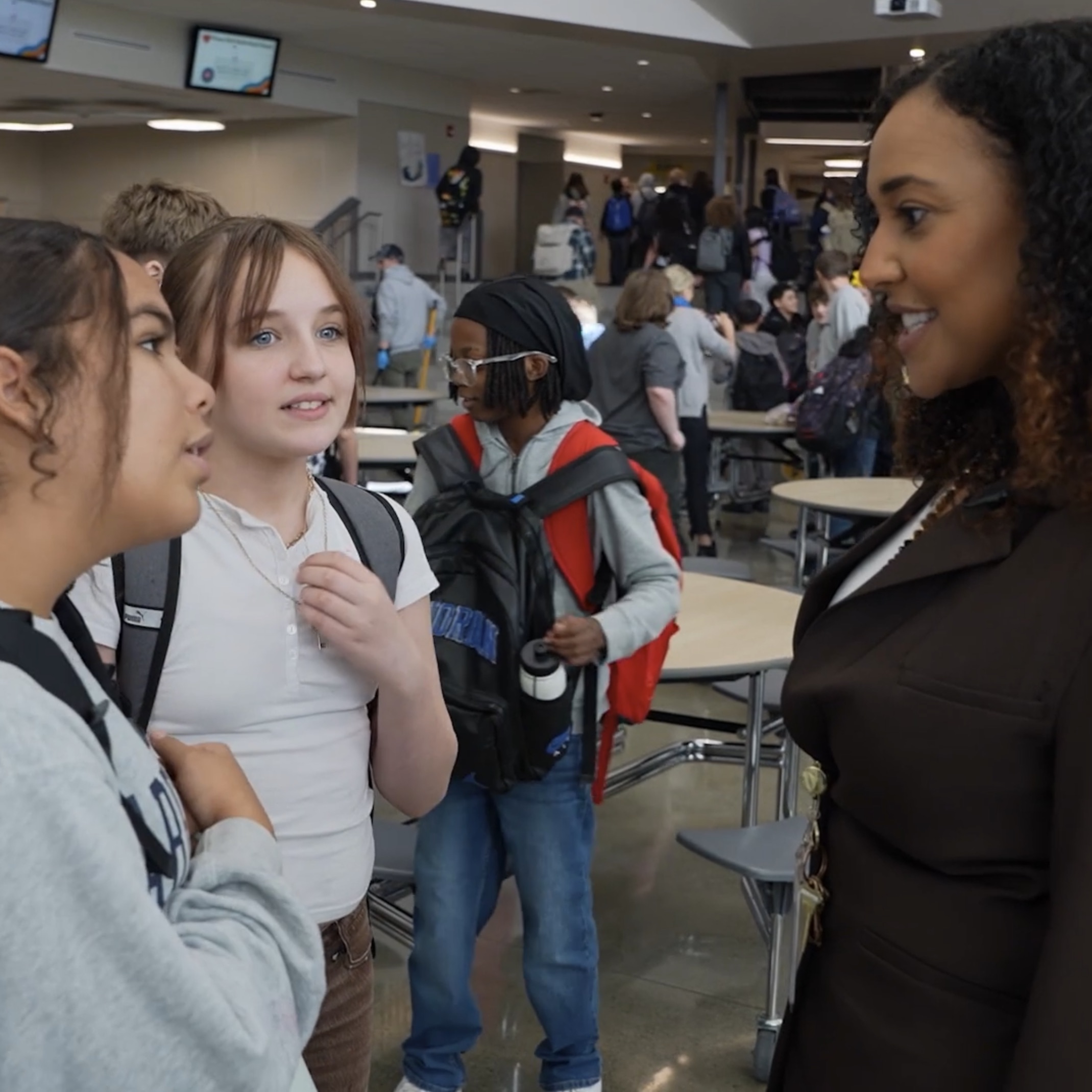
Many kids have nothing to do after school, so they go home to screens and, increasingly, AI chatbots. Spokane Public Schools tackled this by hiring "Engagement Navigators" who proactively find these students and help them get involved, a program we feature in Screenagers: Generation AI. I also share a patient's story, advice for parents whose teens refuse activities, and ways to help other kids get involved.
READ MORE >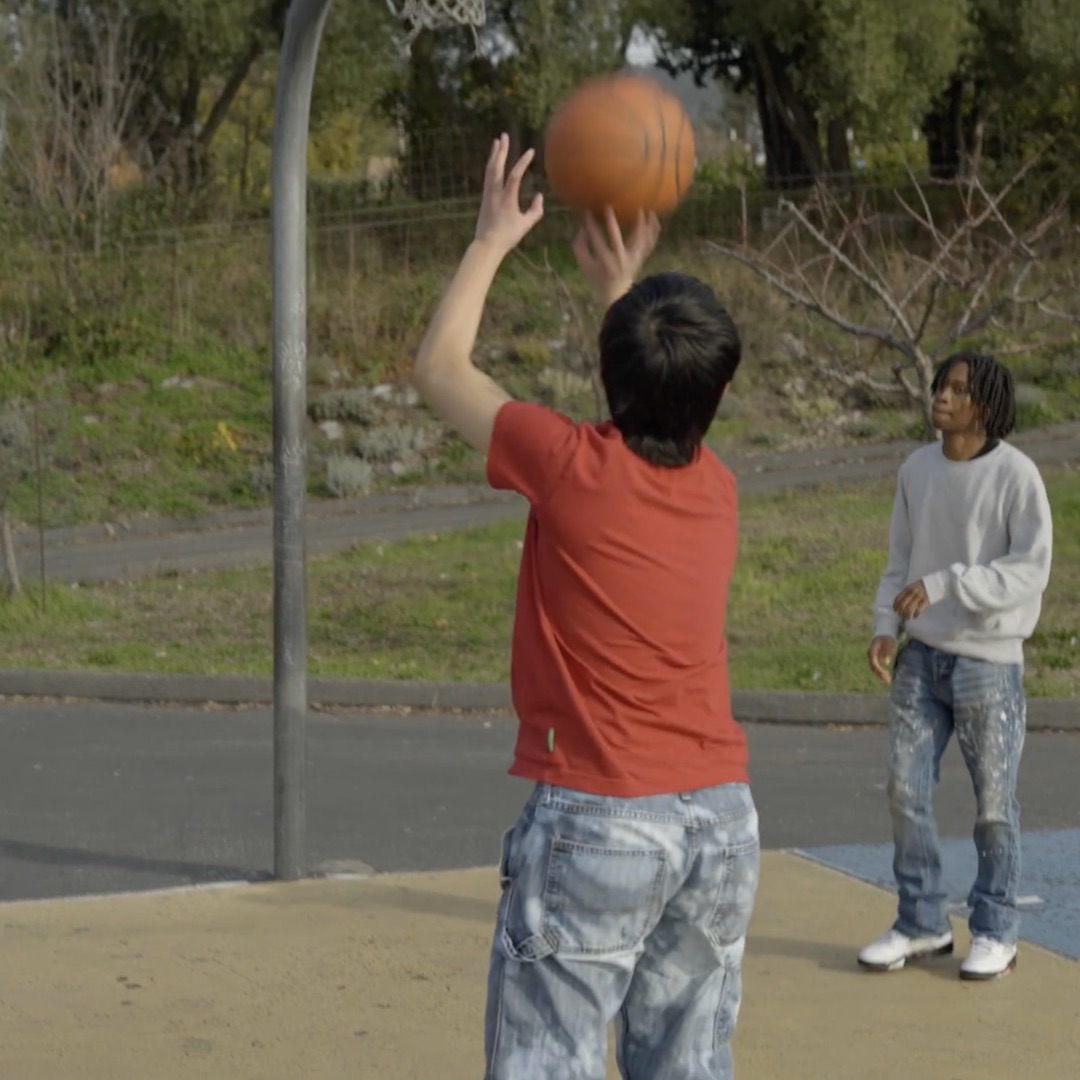
Tech journalist Manoush Zomorodi recently shared with Delaney the story behind her new book Body Electric and the citizen science experiment she ran with NPR and Dr. Keith Diaz of Columbia. The 20,000-person study found that five minutes of movement for every thirty minutes of sitting dropped fatigue by up to 28%, lowered blood glucose and blood pressure, and improved focus and mood. Plus, five practical reframes for talking to kids about movement without the eye rolls.
READ MORE >
for more like this, DR. DELANEY RUSTON'S NEW BOOK, PARENTING IN THE SCREEN AGE, IS THE DEFINITIVE GUIDE FOR TODAY’S PARENTS. WITH INSIGHTS ON SCREEN TIME FROM RESEARCHERS, INPUT FROM KIDS & TEENS, THIS BOOK IS PACKED WITH SOLUTIONS FOR HOW TO START AND SUSTAIN PRODUCTIVE FAMILY TALKS ABOUT TECHNOLOGY AND IT’S IMPACT ON OUR MENTAL WELLBEING.