

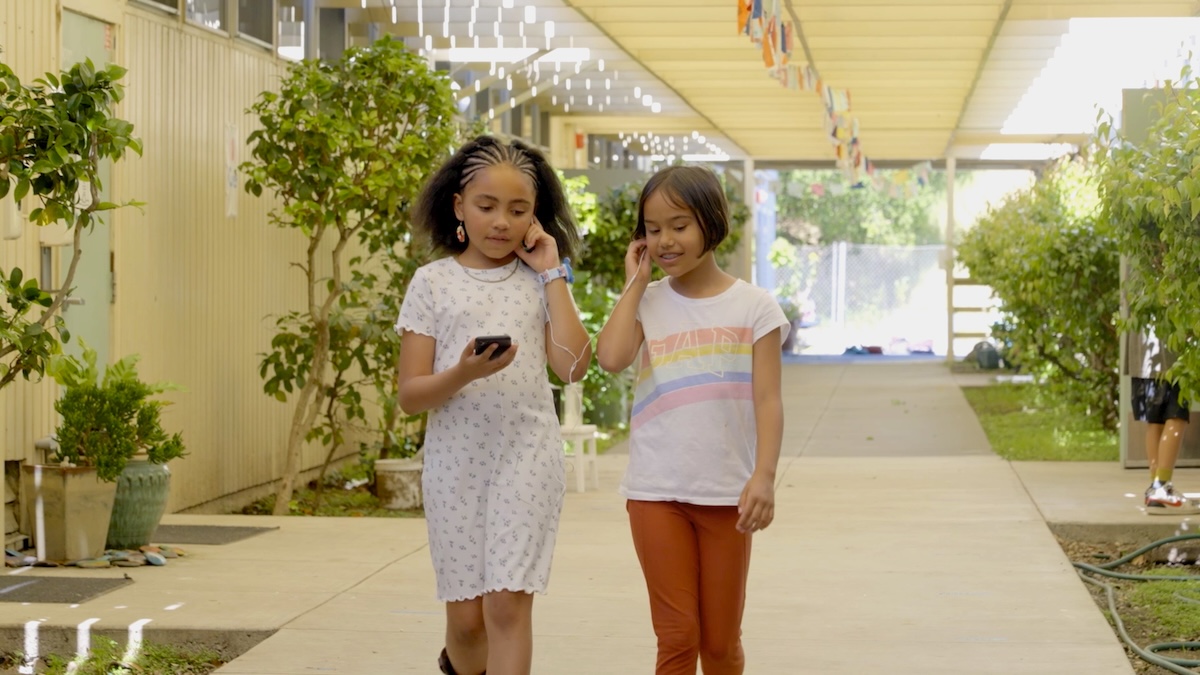

With World Cup noise and summer earbuds in full swing, I want to talk about hearing loss in kids. Research shows many of us listen longer and louder than the WHO considers safe, and damaged inner-ear hair cells never grow back. My advice: keep volume around 60 decibels, take listening breaks, use noise-canceling or over-ear headphones, test your hearing.
If you are like me, you are enjoying watching some of the World Cup, in my case on a computer screen.
And for folks at the games in person, what about all the yelling in the stands? Exciting for sure, but how about on the ears?
So yes, this blog is about hearing.
The situation is so different than when we parents were kids. Think about our kids with earbuds in listening to music a lot? Loud at times? Yes. Headsets on with loud video games? Yes.
Summer is a good time to bring up a little science about hearing with your child or teen and how to protect hearing.
In Manoush Zamordi’s book, Body Electric, she writes the following. (By the way, you can hear my conversation with Manoush about her book here.)
“Dr. Rick Neitzel, from the University of Michigan, has been tracking noise exposure, and his research with Apple shows that people are listening longer and louder than ever before. One in three participants in his study is regularly exposed to sound levels that the WHO [World Health Organization] considers harmful.”
Every sound you hear is converted into signals by tiny hair cells deep inside the inner ear. These delicate cells respond to different sound frequencies and send that information to the brain. Loud noise can overwhelm them, leading to ringing ears or muffled hearing after a concert or other noisy event.
While they often recover with time, repeated exposure without enough rest can permanently damage or destroy these cells, and unlike many other cells in the body, they never grow back. Over time, temporary hearing changes can become lasting hearing loss.
If your ears ring after a loud game or concert, it's a sign that the noise has stressed the delicate hair cells in your inner ear. Those overworked cells can send false signals to the brain, creating the ringing or buzzing you hear. The sound usually fades after a day or two, but frequent exposure to loud noise can cause permanent hearing loss or ongoing tinnitus.


Learn more about showing our movies in your school or community!
Join Screenagers filmmaker Delaney Ruston MD for our latest Podcast

Learn more about our Screen-Free Sleep campaign at the website!
Our movie made for parents and educators of younger kids
Learn more about showing our movies in your school or community!
Register your interest in bringing our new movie to your school or community
Aim to listen at around 60 decibels whenever possible, and avoid going above 80 decibels. Long-term exposure above 80 dB can permanently damage the tiny hair cells in your inner ear. Once they're gone, they don't grow back.
Your ears need time to recover after exposure to loud sounds. Giving them regular breaks can make a real difference in protecting your hearing over time.
Noise-canceling or over-the-ear headphones can help you listen at lower volumes, reducing your overall exposure to loud sounds.
It’s easy and a great thing to do with your child tonight. Ideally, use over-the-ear or in-ear headphones in a quiet room. The results are saved, so you can retest in a year or two and compare. While it’s not as precise as a professional hearing test in a soundproof booth, it’s surprisingly accurate.
If you have an iPhone, you can do a basic hearing screening without downloading an app.
Go to Settings → Accessibility → Audio & Visual → Headphone Accommodations → Custom Audio Setup.
With your headphones on, your phone will play a series of tones to estimate your hearing and personalize your audio. It’s not a full audiogram, but it provides useful feedback. I tried it myself and was happy to find my hearing was in good shape.
There are also apps that do this. One is called Mimi.
When it comes to hearing, the science is truly remarkable. I look at eardrums (AKA tympanic membranes) in my clinic all the time, and I’m always humbled by how the tiny bones behind the membranes are transformed into the incredible variety of sounds our brains perceive. One way to learn more is to listen to our 20-minute podcast, ‘Are AirPods Ruining Our Kids’ Hearing?’
Learn more about showing our movies in your school or community!
Join Screenagers filmmaker Delaney Ruston MD for our latest Podcast
Learn more about our Screen-Free Sleep campaign at the website!
Our movie made for parents and educators of younger kids
Join Screenagers filmmaker Delaney Ruston MD for our latest Podcast
Register your interest in bringing our new movie to your school or community
Subscribe to our YouTube Channel! We add new videos regularly and you'll find over 100 videos covering parenting advice, guidance, podcasts, movie clips and more. Here's our most recent:

As we’re about to celebrate 10 years of Screenagers, we want to hear what’s been most helpful and what you’d like to see next.
Please click here to share your thoughts with us in our community survey. It only takes 5–10 minutes, and everyone who completes it will be entered to win one of five $50 Amazon vouchers.
If you are like me, you are enjoying watching some of the World Cup, in my case on a computer screen.
And for folks at the games in person, what about all the yelling in the stands? Exciting for sure, but how about on the ears?
So yes, this blog is about hearing.
The situation is so different than when we parents were kids. Think about our kids with earbuds in listening to music a lot? Loud at times? Yes. Headsets on with loud video games? Yes.
Summer is a good time to bring up a little science about hearing with your child or teen and how to protect hearing.
In Manoush Zamordi’s book, Body Electric, she writes the following. (By the way, you can hear my conversation with Manoush about her book here.)
“Dr. Rick Neitzel, from the University of Michigan, has been tracking noise exposure, and his research with Apple shows that people are listening longer and louder than ever before. One in three participants in his study is regularly exposed to sound levels that the WHO [World Health Organization] considers harmful.”
Every sound you hear is converted into signals by tiny hair cells deep inside the inner ear. These delicate cells respond to different sound frequencies and send that information to the brain. Loud noise can overwhelm them, leading to ringing ears or muffled hearing after a concert or other noisy event.
While they often recover with time, repeated exposure without enough rest can permanently damage or destroy these cells, and unlike many other cells in the body, they never grow back. Over time, temporary hearing changes can become lasting hearing loss.
If your ears ring after a loud game or concert, it's a sign that the noise has stressed the delicate hair cells in your inner ear. Those overworked cells can send false signals to the brain, creating the ringing or buzzing you hear. The sound usually fades after a day or two, but frequent exposure to loud noise can cause permanent hearing loss or ongoing tinnitus.
Aim to listen at around 60 decibels whenever possible, and avoid going above 80 decibels. Long-term exposure above 80 dB can permanently damage the tiny hair cells in your inner ear. Once they're gone, they don't grow back.
Your ears need time to recover after exposure to loud sounds. Giving them regular breaks can make a real difference in protecting your hearing over time.
Noise-canceling or over-the-ear headphones can help you listen at lower volumes, reducing your overall exposure to loud sounds.
It’s easy and a great thing to do with your child tonight. Ideally, use over-the-ear or in-ear headphones in a quiet room. The results are saved, so you can retest in a year or two and compare. While it’s not as precise as a professional hearing test in a soundproof booth, it’s surprisingly accurate.
If you have an iPhone, you can do a basic hearing screening without downloading an app.
Go to Settings → Accessibility → Audio & Visual → Headphone Accommodations → Custom Audio Setup.
With your headphones on, your phone will play a series of tones to estimate your hearing and personalize your audio. It’s not a full audiogram, but it provides useful feedback. I tried it myself and was happy to find my hearing was in good shape.
There are also apps that do this. One is called Mimi.
When it comes to hearing, the science is truly remarkable. I look at eardrums (AKA tympanic membranes) in my clinic all the time, and I’m always humbled by how the tiny bones behind the membranes are transformed into the incredible variety of sounds our brains perceive. One way to learn more is to listen to our 20-minute podcast, ‘Are AirPods Ruining Our Kids’ Hearing?’
Subscribe to our YouTube Channel! We add new videos regularly and you'll find over 100 videos covering parenting advice, guidance, podcasts, movie clips and more. Here's our most recent:
Sign up here to receive the weekly Tech Talk Tuesdays newsletter from Screenagers filmmaker Delaney Ruston MD.
We respect your privacy.
If you are like me, you are enjoying watching some of the World Cup, in my case on a computer screen.
And for folks at the games in person, what about all the yelling in the stands? Exciting for sure, but how about on the ears?
So yes, this blog is about hearing.
The situation is so different than when we parents were kids. Think about our kids with earbuds in listening to music a lot? Loud at times? Yes. Headsets on with loud video games? Yes.
Summer is a good time to bring up a little science about hearing with your child or teen and how to protect hearing.
In Manoush Zamordi’s book, Body Electric, she writes the following. (By the way, you can hear my conversation with Manoush about her book here.)
“Dr. Rick Neitzel, from the University of Michigan, has been tracking noise exposure, and his research with Apple shows that people are listening longer and louder than ever before. One in three participants in his study is regularly exposed to sound levels that the WHO [World Health Organization] considers harmful.”
Every sound you hear is converted into signals by tiny hair cells deep inside the inner ear. These delicate cells respond to different sound frequencies and send that information to the brain. Loud noise can overwhelm them, leading to ringing ears or muffled hearing after a concert or other noisy event.
While they often recover with time, repeated exposure without enough rest can permanently damage or destroy these cells, and unlike many other cells in the body, they never grow back. Over time, temporary hearing changes can become lasting hearing loss.
If your ears ring after a loud game or concert, it's a sign that the noise has stressed the delicate hair cells in your inner ear. Those overworked cells can send false signals to the brain, creating the ringing or buzzing you hear. The sound usually fades after a day or two, but frequent exposure to loud noise can cause permanent hearing loss or ongoing tinnitus.
Delaney's annual summer podcast roundup is here, a hand-picked list of great episodes for the whole family. This year she's got recommendations spanning music, history, science, and ethics, plus a few surprise picks from a 3rd-grader she met at a lemonade stand. Each comes with a note on why it's worth a listen.
READ MORE >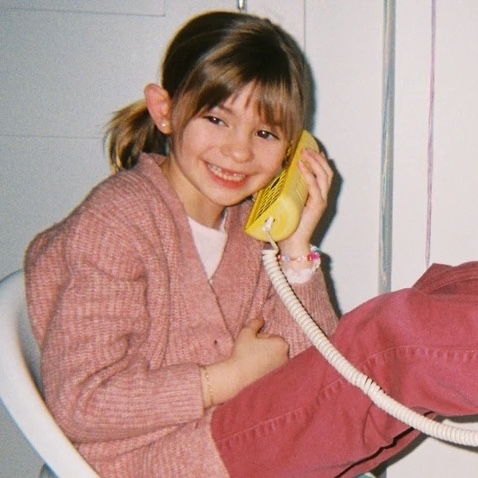
Some families are exploring a new, Wi-Fi-enabled landline phone that allows kids to communicate without screens. This blog explains how the phone works, why parents value its simplicity and built-in controls, and how groups of families are adopting it together to reduce pressure around smartphones. A parent conversation highlights shared buy-in, voice-only communication, and giving kids more independence while delaying personal devices.
READ MORE >for more like this, DR. DELANEY RUSTON'S NEW BOOK, PARENTING IN THE SCREEN AGE, IS THE DEFINITIVE GUIDE FOR TODAY’S PARENTS. WITH INSIGHTS ON SCREEN TIME FROM RESEARCHERS, INPUT FROM KIDS & TEENS, THIS BOOK IS PACKED WITH SOLUTIONS FOR HOW TO START AND SUSTAIN PRODUCTIVE FAMILY TALKS ABOUT TECHNOLOGY AND IT’S IMPACT ON OUR MENTAL WELLBEING.